When tackling small to medium tiling jobs in kitchens, bathrooms, or outdoor patios, having the right tool is essential. A portable electric tile cutter offers speed, precision, and convenience compared to manual cutters or larger wet saws. In this guide, we’ll explore key features, top product picks, usage tips, maintenance advice, and storage solutions to help you select and get the most out of a compact tile cutter.
Key Features to Look for in a Portable Electric Tile Cutter
Not all tile cutters are created equal. When selecting a model, pay attention to the following:
Cutting Capacity and Tile Size
Portable tile cutters vary in maximum tile thickness and length capacity. Compact models typically handle tiles up to 12 inches long and ¾ inch thick, making them ideal for ceramic, porcelain, and some natural stone. For larger format tiles, ensure the cutter’s sliding rail or fence can accommodate the width. Always match the cutter’s capacity with your most common tile dimensions to avoid mid-project surprises.
Motor Power and RPM
Motor strength determines cutting speed and the ability to slice through tougher materials. Entry-level cutters start around 500 watts, while heavy-duty portable units can exceed 1,000 watts. Higher RPM (3,000–5,000) ensures smoother cuts but can produce more spray and noise. Choose a balance of power and ergonomics to reduce operator fatigue during extended use.
Water Cooling System
Wet cutting is essential to control dust and cool the blade. Look for integrated water reservoirs or attachable hoses that deliver a steady stream directly to the blade. Models with adjustable nozzles allow you to optimize water flow. Consistent cooling prolongs blade life and ensures cleaner edges on ceramic or natural stone tiles.
Portability and Weight
One of the main advantages of portable tile cutters is mobility. Lightweight designs (15–20 lbs) allow you to carry the cutter between rooms or job sites easily. Foldable handles and quick-release stands enhance setup speed. However, extremely light models may sacrifice stability, so look for a sturdy base and non-slip feet to ensure safety during operation.
Top 5 Best Portable Electric Tile Cutters for DIY Home Tiling Projects
We evaluated dozens of compact tile cutters based on power, blade quality, cooling system, portability, and price. Here are our top picks:
- Makita 4100NHX1: A 7-inch wet tile saw offering 10 amps of power, sturdy cast-aluminum base, and integrated water tray. Excellent for precision cuts and portability in small spaces.
- SKIL 3540-02: A 7-inch professional electric tile saw with a 14-inch rip capacity, adjustable rip fence, and quick-toggle stand. Great for ceramic and porcelain.
- Rubi TX-900-N: Compact 4 HP motor with diamond blade, robust frame, and high-quality pump. Ideal for intricate cuts on natural stone tiles.
- Qep 22650Q: Lightweight 7-inch saw, 1 HP motor, easy setup, and tilting head for angled cuts. Budget-friendly and effective for small DIY jobs.
- Tyrolit TY-PC 12: Professional 12-inch portable saw with 1,700 W motor, large aluminum water tray, and extendable fence. Handles larger format tiles with ease.
How to Use a Portable Electric Tile Cutter Safely and Effectively
Setting Up Your Workstation
Place the cutter on a stable, level surface or stand. Ensure the water reservoir is full and the pump is functioning. Lay out your tiles in sequence, marking cut lines clearly with a pencil or marker. Measure twice to ensure accuracy.
Proper Cutting Techniques
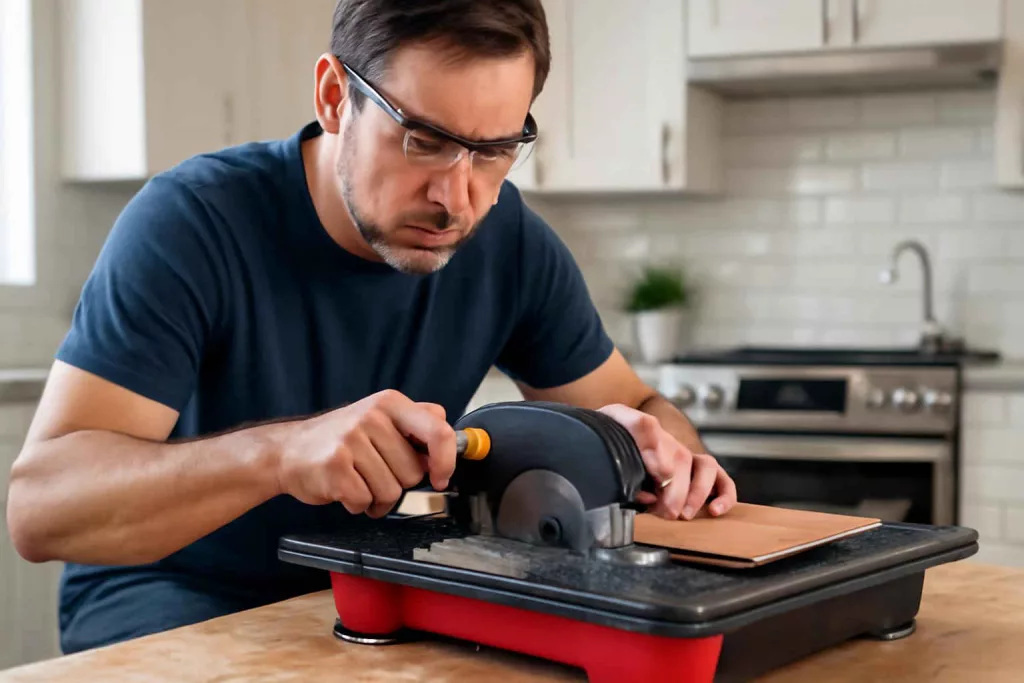
Wear safety goggles, hearing protection, and gloves. Turn on the tile cutter and let the blade reach full speed before bringing the tile into contact. Guide the tile steadily, keeping hands away from the blade. For curved or diagonal cuts, move slowly and adjust the fence or guide angle as needed.
Maintenance Tips
After each session, drain the water tray and rinse any accumulated slurry. Check the diamond blade for wear and replace if you notice decreased cutting performance or chipping. Lubricate sliding rails and inspect electrical cords for damage.
Tile Materials and Blade Selection
Selecting the right blade is as important as the cutter itself. Different materials require specific blade types for optimal performance.
Ceramic vs. Porcelain Tiles
Ceramic tiles are softer and cut easily with general-purpose diamond blades. Porcelain is denser and requires a blade rated for hard materials. Look for “porcelain” or “universal” stamped on the blade packaging for best results.
Blade Types and Grit
Continuous rim blades deliver smooth edges and are ideal for glazed tiles. Segmented rim blades offer faster cutting and better cooling but can leave slight chipping on delicate materials. For natural stone (marble, granite), choose a turbo rim blade that balances speed and finish quality.
Alternative Tools for Specialty Cuts
Manual Tile Cutters vs. Electric Models
Manual cutters use a scoring wheel and snapping mechanism. They’re inexpensive and portable but struggle with thick or hard tiles. Electric models handle tougher jobs and larger tiles but cost more and require water hookups.
Wet Saws vs. Portable Tile Cutters
Tabletop wet saws offer higher power and stationary operation, suitable for extensive tiling jobs. Portable handheld saws are compact and maneuverable, ideal for onsite adjustments or tight spaces. Choose based on job scale and workspace constraints.
Storage and Maintenance of Your Tile Cutter
Proper storage keeps your tile cutter ready for the next project. Consider mounting lightweight models on a wall using a DIY modular wall-mounted tool organizer. This saves floor space and protects the machine from damage.
Alternatively, place the cutter on a sturdy workshop cart. A rolling tool cart for home workshops offers mobility and additional storage for blades, water hoses, and safety gear. Always cover your cutter with a waterproof tarp if storing in a damp environment.
Frequently Asked Questions
Can I use a portable tile cutter for large format tiles?
Most compact cutters handle tiles up to 12 inches. For larger formats, look for models with extendable fences or consider a tabletop wet saw for better support and cutting capacity.
How often should I replace the diamond blade?
Blade life depends on tile hardness and cutting frequency. For moderate DIY use, expect 50–100 cuts per blade. Replace when you notice chipping, slow cutting speed, or increased noise.
Is water cooling necessary?
Yes. Wet cutting reduces dust, cools the blade, and extends blade life. Always use a water source, even a simple bucket and pump setup, to ensure consistent water flow.
Can I make angled cuts with a portable cutter?
Many models feature adjustable heads or fences to cut at 45° or other angles. Verify the cutter’s bevel range in the specifications before purchase.
Conclusion
Investing in one of the best portable electric tile cutters simplifies DIY tiling projects by delivering precise, clean cuts without the bulk of large wet saws. Evaluate your tile sizes, job frequency, and workspace constraints to choose the perfect model. For more tiling tool organization ideas, explore our tool organizer guide and rolling workshop carts. Ready to upgrade? Shop portable electric tile cutters on Amazon today to start your next tiling project with confidence.