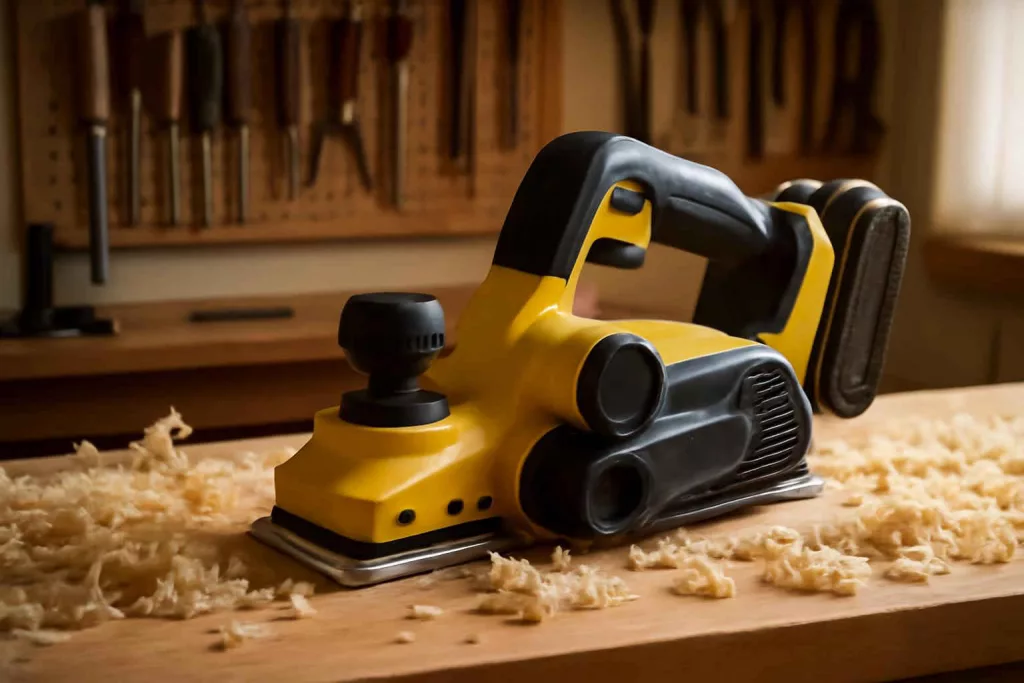
When it comes to refining the edges of wooden surfaces, a cordless planer offers unmatched convenience and portability. Whether you’re trimming door edges, smoothing rough boards, or crafting custom trim for a DIY project, a battery-powered planer saves you time and eliminates the hassle of cords. With varied battery capacities and power outputs on the market, choosing the right model can feel overwhelming at first. Ready to upgrade your workshop? Take a look at our top picks for cordless planer options that deliver professional-level performance without being tethered to an outlet.
Integrating a cordless planer into your setup also frees up space and minimizessnagging extension cords. Pair it with a DIY Modular Wall-Mounted Tool Organizer to keep accessories and blades within arm’s reach. Below, explore our carefully researched list of the best cordless planers for home projects, backed by real-world testing and user feedback.
Top 6 Cordless Planers for Home Projects
1. Makita XPK03Z 18V LXT Brushless Planer
The Makita XPK03Z stands out with its brushless motor, delivering up to 19,000 RPM for clean, efficient cuts. Weighing just 5.9 pounds, this planer is easy to handle during prolonged use. Its dual 18V LXT batteries (sold separately) provide extended runtime, making it ideal for larger DIY tasks. The 3-1/4″ cutting width and depth adjustment up to 1/16″ per pass ensure precision trimming.
- Pros: Brushless motor for longer life, lightweight design, ergonomic rubberized grip.
- Cons: Requires two batteries for optimal performance, higher price point.
Grab yours on Amazon: Makita XPK03Z cordless planer.
2. DEWALT DCP580B 20V MAX XR Planer
DEWALT’s DCP580B offers a 3-1/4″ cutter head and an impressive 20,000 RPM speed. The integrated handle and locking system allow for precise depth control up to 1/8″ per pass. Dust extraction is streamlined through the side port, which can be connected to a shop vacuum. It weighs in at 7.3 pounds, balancing stability with maneuverability.
- Pros: Compact size, clear depth gauge, easy blade changes.
- Cons: Slightly heavier than competitors, dust port requires adapter for some vacuums.
Find it here: DEWALT DCP580B cordless planer.
3. Ryobi P592 18V ONE+ Planer
For budget-conscious DIYers, the Ryobi P592 is a reliable choice. Despite its lower price, it delivers a 3-1/8″ cutting width and up to 16,000 RPM. Its single 18V ONE+ battery provides up to 120 passes on a 4″ x 1″ board. The integrated depth latch lock prevents accidental changes during use.
- Pros: Affordable, compatible with Ryobi ONE+ battery ecosystem, compact.
- Cons: Less power than premium models, blade covers can be fiddly.
Shop on Amazon: Ryobi P592 cordless planer.
4. Bosch GHO 18V-LI 18V Planer
Bosch brings solid German engineering to its GHO 18V-LI, offering a 3-1/8″ width and up to 18,500 no-load RPM. The planer’s robust aluminum housing and easy depth adjustment system deliver consistent results. It includes a detachable dust port adapter for hassle-free cleanup.
- Pros: Durable build quality, smooth depth control, compatible with Bosch 18V batteries.
- Cons: Heavier at 8 pounds, costs more for batteries and charger.
Purchase link: Bosch GHO 18V-LI cordless planer.
5. Metabo HPT NP18D 18V Planer
Formerly Hitachi, the Metabo HPT NP18D is praised for its reliability and performance. With a 3-1/8″ cutter head and up to 18,500 RPM, it delivers smooth passes. The tool-free depth adjustment knob ranges from 0 to 4mm. At just 5.5 pounds, it’s one of the lightest planers available.
- Pros: Lightweight, easy blade replacement, clear measurement window.
- Cons: Single battery runtime, less torque under heavy load.
Buy on Amazon: Metabo HPT NP18D cordless planer.
6. Milwaukee M18 FEP-0 18V Planer
Milwaukee’s M18 FEP-0 features a brushless motor for efficient power delivery and durability. The 3-1/4″ width, up to 16,500 RPM speed, and 5-blade cutter head deliver two times the cutting action per rotation. Its integrated bright LED lights ensure visibility in low-light workshop corners.
- Pros: Brushless motor, dual LED lights, on-board shoe guide.
- Cons: Heavier at 8.2 pounds, premium price.
Grab it here: Milwaukee M18 FEP-0 cordless planer.
Factors to Consider When Choosing a Cordless Planer
Selecting the ideal cordless planer for home projects requires balancing power, portability, and precision. Battery voltage and capacity directly impact runtime and cutting force. Models in the 18V to 20V range hit the sweet spot for most DIYers—delivering enough torque for hardwood without excessive weight. Check whether the battery is sold with the kit or needs separate purchase.
Depth adjustment is key for smoothing surfaces or trimming door jambs. Look for clear measurement markings and easy-to-use knobs or levers. Most planers offer up to 1/8″ depth per pass, but finer adjustments down to 1/16″ help for delicate work. The cutting width, typically between 3″ and 3-1/4″, determines how many passes you’ll need on wider boards.
Weight and ergonomics matter when using a planer for extended periods. A lightweight tool reduces fatigue—especially when standing on best anti-fatigue mats for extra comfort. Evaluate handle design and rubber grips for a secure hold. Also consider dust collection options: most models include a side port compatible with a shop vacuum to keep your workspace clean, especially when paired with portable workshop fans.
How to Use a Cordless Planer Safely and Effectively
Before powering up, inspect the blade and ensure it’s sharp and clean—dull or nicked blades can tear wood fibers. Secure the workpiece firmly using clamps or a vise to prevent movement. For edge planing, align the base plate securely on the board’s surface, then hold the front and rear handles with both hands.
Start the tool before contacting the wood surface. Lower the planer gently onto the board, maintaining even pressure. Move the tool forward in a single, continuous motion at a moderate pace. Avoid stopping mid-pass to prevent gouging. For door trimming, remove only thin shavings per pass and test the fit frequently to avoid overcutting.
After each pass, inspect the surface for smoothness. If tear-out occurs, adjust the depth to a finer setting or switch the wood grain direction. Always wear eye protection and a dust mask to avoid inhaling wood particles. Store batteries in a cool, dry place and charge them fully before storing the tool.
Maintenance Tips for Longevity
Keeping your cordless planer in top condition extends its service life and ensures consistent performance. After every project, brush away wood chips and dust from the cutter head, vents, and dust port. Use compressed air for hard-to-reach crevices. Check the blade edges regularly for wear—replace or sharpen as needed for clean cuts.
Inspect the base plate for nicks or dents that can mar your workpiece. A perfectly flat sole is essential for accurate planing. Tighten any loose screws or bolts, especially those securing handles and depth adjustment mechanisms. Lubricate moving parts sparingly with a dry-film lubricant to keep operations smooth without attracting wood dust.
Store your planer in a protective case or dry storage cabinet to prevent moisture damage. Remove the battery when not in use, and follow the manufacturer’s instructions for winterizing if stored in unheated spaces. Regular maintenance checks, ideally after every 10 hours of use, help catch potential issues early.
Frequently Asked Questions
1. Are cordless planers as powerful as corded models?
While corded planers can deliver higher continuous torque, modern high-voltage cordless models in the 18V to 20V range often match light to medium-duty corded units for most home projects. Brushless motors and high-capacity batteries are closing the performance gap.
2. How long does a battery charge last on a cordless planer?
Runtime depends on battery amp-hour rating (Ah) and wood density. A 5Ah battery can handle approximately 100 to 150 linear feet of softwood trimming at 1/16″ depth. For hardwoods, expect 60 to 90 feet. Having a spare battery lets you swap and continue without downtime.
3. Can I resharpen planer blades myself?
Yes, many users sharpen blades using a sharpening jig and grinder. However, it requires precision to maintain the correct angle. Some prefer purchasing replacement blades pre-sharpened by the manufacturer for consistency and safety.
4. How do I prevent tear-out on complex grain patterns?
To minimize tear-out, reduce the depth of cut, adjust the feed direction so you’re planing against the grain, and take multiple light passes. Using a sharp blade is crucial—dull edges increase tear-out risk.
Conclusion
Investing in one of the top cordless planers for home projects accelerates your woodworking tasks and enhances precision without the hassle of cords. From the durable Makita XPK03Z to the budget-friendly Ryobi P592, there’s a model to suit every skill level and budget. Remember to consider battery compatibility, depth adjustment, weight, and ease of maintenance when making your choice. With routine care and the right accessories, your cordless planer will deliver clean, professional results for years to come.
Ready to elevate your woodworking? Secure your preferred cordless planer today and experience unmatched freedom in your home workshop. Explore additional tips on integrating your new tool into a streamlined workspace layout with our modular tool drawer inserts guide.