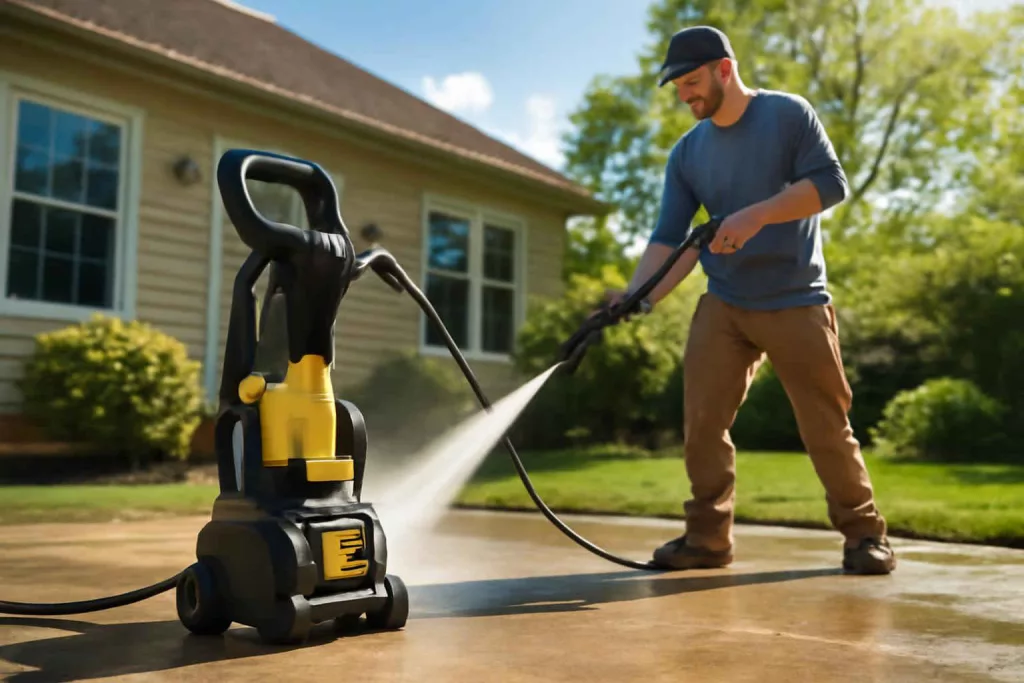
Maintaining a pristine outdoor space doesn’t have to involve bulky cords or proximity to power outlets. Cordless pressure washers offer the freedom to clean patios, decks, and siding anywhere around your home. In this guide, we’ll explore why battery-powered pressure washers are a convenient choice for homeowners, key features to look for, and our top picks for tackling dirt, grime, and mildew—no extension cords required. Start your search with these battery-powered pressure washers designed for light to medium-duty outdoor cleaning.
Benefits of Going Cordless
Cordless pressure washers are redefining residential cleaning by removing the hassle of extension cords and nearby outlets. With a rechargeable battery pack, you can quickly move along fences, garden walls, cars, and outdoor furniture without interruption. Modern lithium-ion batteries provide enough power for most home cleaning tasks, while the compact design often weighs less than gas-powered models.
One major advantage is noise reduction: most cordless units operate at 70–75 decibels, substantially quieter than gas washers. For small yards or patios, cordless models deliver sufficient pressure to remove moss, algae, and stubborn dirt without the complexity of a gas engine. If you already store gardening tools on a vertical rack, consider pairing your washer with retractable garden hose reels for a neat, tangle-free setup.
Key Features to Consider
Pressure (PSI) and Flow Rate (GPM)
Pressure washers are rated by pounds per square inch (PSI) and gallons per minute (GPM). For lightweight patio cleaning, aim for 800–1200 PSI with a flow rate of at least 1.0 GPM. This combo strikes a balance between power and battery efficiency. Higher PSI models tackle tougher stains but drain batteries faster.
Battery Capacity and Run Time
Battery capacity, measured in ampere-hours (Ah), directly impacts run time. Look for a 4.0 Ah or higher lithium-ion pack, which often provides 20–30 minutes of continuous cleaning. If you plan to clean large areas, check whether the brand offers dual-battery compatibility so you can swap packs without downtime.
Nozzle Types and Adjustable Settings
A versatile washer includes multiple nozzles or an adjustable spray wand. A 25-degree nozzle works for general cleaning, while a 0–15-degree option tackles deep-set dirt. Some cordless models feature an onboard reservoir for detergents, perfect for decks or patio furniture. Detergent injection systems reduce prep time and can enhance cleaning performance.
Portability and Build Quality
Weight and handle design matter when moving around your yard. Compact units under 20 pounds, with integrated handles or collapsible frames, improve maneuverability. Look for durable materials like reinforced polymers and rubberized frames to withstand outdoor use. For added convenience, see how a portable pressure washer complements other tools like air compressor hose reels in your workshop or garage.
Choosing the Right Model: Use Cases and Recommendations
Your ideal cordless pressure washer depends on the tasks you face. If you need to clean your car, deck, and outdoor furniture, prioritize a mid-range PSI (1000–1200) with detergent capability. For quick touch-ups on driveways and walkway stones, a lighter model (800–1000 PSI) may suffice and extend battery life.
Homeowners with multi-level patios or elevated decks should consider models with detachable wands for hard-to-reach areas. Meanwhile, those who only need occasional cleaning can opt for a lower-capacity battery unit paired with a storage solution like the cordless garden mulchers you already own for seasonal cleanup tasks.
Safety Considerations and Best Practices
Pressure washers—even cordless ones—can cause injury if not handled properly. Always wear protective eyewear and gloves to shield against flying debris and high-pressure water. Avoid pointing the spray wand at people, pets, or delicate surfaces like vinyl siding without adjusting to a lower pressure setting.
Check connections before each use to prevent leaks. If your washer features a detachable battery pack, ensure it’s secured. Never submerge the battery or unit in water; most are only splash resistant. Finally, adhere to manufacturer guidelines for recommended spray distances and cleaning angles to protect both the surface and yourself.
Top 5 Cordless Pressure Washers for Home Outdoor Cleaning
1. HydroPro HP-1200 Battery-Powered Washer
The HydroPro HP-1200 delivers 1200 PSI and 1.2 GPM from a 5.0 Ah battery. Its brushless motor extends battery life and reduces maintenance. The kit includes four nozzles, a 20-foot hose, and an onboard detergent tank. At 18 pounds, it’s easy to carry around the patio or up steps.
2. GreenForce 1000 Max Cordless Cleaner
Offering 1000 PSI and a compact 4.0 Ah battery, the GreenForce 1000 Max shines on cars and garden furniture. Its quick-connect system swaps nozzles in seconds, and the foldable handle makes storage simple. Users praise its solid polymer frame and low noise output.
3. EverWash EW-800 Portable Pressure Unit
Designed for light-duty tasks, the EW-800 hits 800 PSI with a 3.0 Ah rechargeable pack. Its slim profile fits easily in a utility closet. Though lower in power, it still removes pollen and surface dirt from siding and windows effectively.
4. ProClean PC-1300 All-Purpose Washer
The ProClean PC-1300 pairs a 6.0 Ah battery with a brushless motor delivering 1300 PSI. It includes a 25-degree nozzle, extension lance, and a foam cannon attachment. The built-in digital display shows battery level and pressure mode.
5. OutdoorEdge OE-1100 Compact Wash System
Featuring 1100 PSI and a quick-fill soap reservoir, the OE-1100 is a favorite for decks and siding. The minimalist design weighs just 16 pounds, and the shoulder strap accessory keeps hands free when transporting around the yard.
Maintaining Your Cordless Pressure Washer
Proper upkeep extends the life of your cordless washer. After each use, drain remaining water from the pump and hoses to prevent freezing or mold growth. Clean nozzles with a small pin to remove mineral buildup. Store the battery separately in a cool, dry place, ideally between 40–80°F.
Occasionally inspect O-rings and seals for wear; replacements are usually affordable and easy to swap. If your model uses a detergent tank, flush it with clean water after using cleaning solutions. These steps mirror the routine in our shop vacuum maintenance guide, ensuring peak performance season after season.
Conclusion
Cordless pressure washers bring mobility and ease to home outdoor cleaning, eliminating cords and noisy gas engines. By evaluating PSI, battery capacity, and portability, you can select a model that fits your space and tasks. Whether it’s washing your car, refreshing patio stones, or cleaning garden tools, our top battery-powered picks offer reliable performance for Americans seeking efficient, cordless solutions.