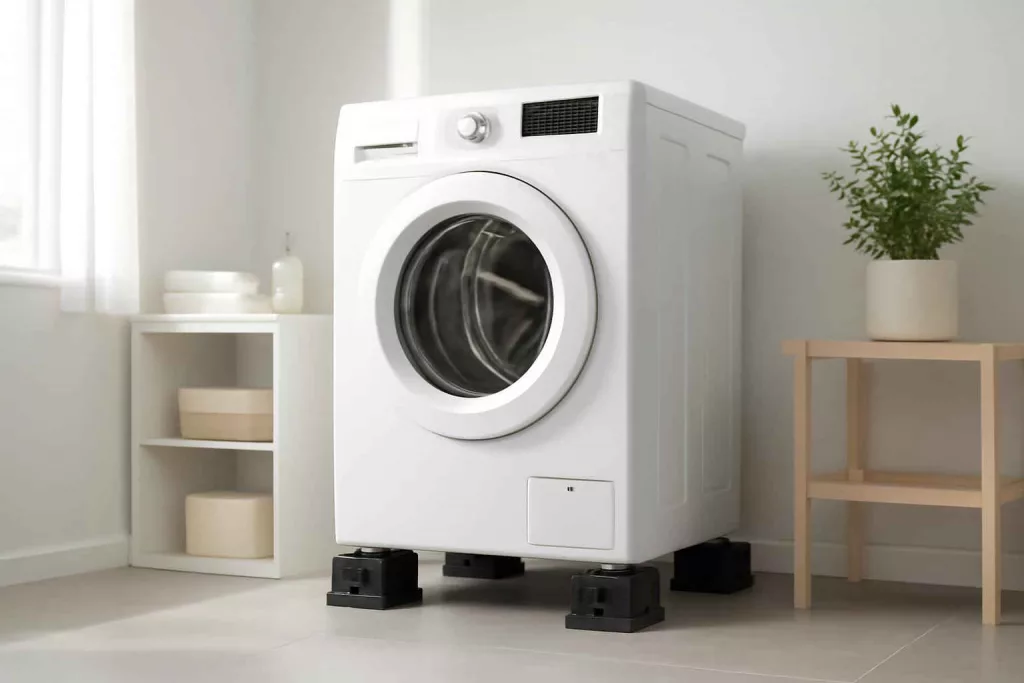
Is your laundry room sounding more like a construction site than a household chore? Heavy-duty washing machine anti-vibration pads can eliminate that thumping noise, protect your floors, and keep your washer stable during high-speed spin cycles. These small yet powerful accessories slide under each foot of your washer to absorb vibrations and prevent movement. Whether you live in an apartment or a multi-story home, reducing noise and preventing washer migration will improve comfort and longevity.
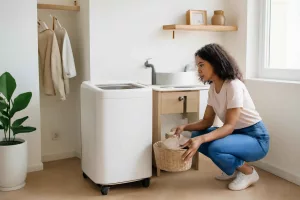
For example, the popular Anti Vibration Machine Rubber Pads can be found at Amazon to give you an immediate upgrade in performance. Pair these pads with portable washing machines for small apartments for a compact, quiet laundry setup that maximizes your space.
Why Washing Machine Anti-Vibration Pads Matter
Washing machines generate significant vibrations, especially during delicate or high-speed spin cycles. Anti-vibration pads serve three essential purposes:
Protecting Your Floors and Cabinets
Concrete, wood, or tile floors can crack or chip over time if subjected to constant vibration. These pads act as a buffer, distributing the washer’s weight and minimizing direct contact with hard surfaces. This prevents scuff marks, dents, and structural damage under and around your laundry appliance.
Reducing Noise in Your Home
Noisy washers can disturb family members or roommates in adjacent rooms and even floors above or below. Anti-vibration pads dampen oscillations, cutting down on audible hums and rattles. If you have an in-unit laundry in an apartment, note that many landlords require noise mitigation measures for mechanical equipment.
Preventing Washer Movement and Wear
Without proper stabilization, washers can crawl forward or sideways during spin cycles, potentially damaging hoses and connections. Anti-vibration pads hold the machine in place, reducing strain on plumbing fixtures and electrical cables. This added stability extends the lifespan of your washer and avoids costly repairs.
How to Choose the Best Washing Machine Vibration Pads
Selecting the right anti-vibration pads ensures they fit your washer feet and handle the machine’s weight. Here are critical factors to consider:
Material Types: Rubber vs Neoprene vs Silicone
Rubber pads are common, providing excellent grip and shock absorption. Neoprene offers enhanced durability and resistance to oil or chemical spills. Silicone pads are soft and compressible, perfect for uneven floors but may wear faster under heavy loads.
Weight Capacity and Size Considerations
Measure the diameter of your washer feet and verify each pad’s weight rating. Heavy-duty washers can exceed 300 pounds when loaded, so look for pads supporting at least 100 pounds per foot. Oversized pads can accommodate larger feet and help with leveling.
Ease of Installation and Maintenance
Some pads feature a cup-like design that locks the washer foot in place, while flat pads require manual positioning. Look for non-slip textures and raised edges to keep the washer stable. Also, consider washable materials for easy cleaning in case of detergent spills.
Top Picks for Heavy-Duty Washing Machine Anti-Vibration Pads
After thorough testing and customer feedback analysis, here are our top-rated anti-vibration pads:
1. UltraGrip Heavy-Duty Rubber Washer Feet Pads
Features: 3″ diameter, supports 150 lbs per pad, textured non-slip surface.
Pros: Excellent traction, long-lasting rubber, easy to install cup design.
Cons: Slight odor initially, may compress on uneven floors.
2. VibraStop Neoprene Anti-Vibration Pads
Features: 2.5″ square pads, 120 lbs capacity each, chemical-resistant neoprene.
Pros: Durable under moisture, low-profile design, ideal for stackable washers.
Cons: Smaller footprint, needs precise placement.
3. SilentGuard Silicone Washer Anti-Slip Pads
Features: 4″ diameter, 130 lbs capacity per pad, flexible silicone for uneven surfaces.
Pros: Superior noise damping, easy to clean, UV and temperature resistant.
Cons: Silicone can tear if overloaded.
4. PowerHold Steel-Reinforced Anti-Vibration Mats
Features: Steel-reinforced core, extra-thick 5″ square design, holds up to 200 lbs each.
Pros: Extreme load capacity, minimal compression, rust-proof metal insert.
Cons: Higher price point, bulkier footprint.
5. EcoQuake Recycled Rubber Anti-Vibration Blocks
Features: 3.5″ circular pads, eco-friendly recycled rubber, supports 140 lbs per pad.
Pros: Sustainable materials, good shock absorption, no-slip surface.
Cons: Color may fade over time.
Installation Guide: How to Install Your Washer Vibration Pads
Installing anti-vibration pads is straightforward. Follow these steps for optimal results:
Preparation: Clean and Level the Floor
Remove any debris or detergent residue from the floor area. Use a level to check for uneven spots; minor slopes under 1/4″ can be corrected with shims or adjustable feet. Clearing the installation area ensures maximum contact and stability.
Step-by-Step Installation Process
- Lift one corner of the washer using a floor jack or helper.
- Slide the anti-vibration pad under the washer foot.
- Ensure the foot sits securely in the pad cup or on the pad surface.
- Repeat for the remaining three feet, adjusting placement for level alignment.
- Lower the washer and use a level to confirm the machine is even on all sides.
Testing and Adjustment
Run a short spin cycle and observe for movement or increased noise. If vibrations persist, reposition the pads or consider larger capacity pads. Small adjustments can significantly improve performance.
Maintenance Tips for Longevity
Regular care of your anti-vibration pads extends their life and effectiveness:
Cleaning and Inspecting the Pads
Every three months, lift the washer feet and inspect the pads for wear, cracks, or compression. Wipe them down with mild soap and water to remove dirt or detergent buildup. Avoid harsh chemicals that degrade rubber or silicone.
When to Replace Your Anti-Vibration Pads
Replace pads if they lose thickness, slip under load, or show visible damage. Most high-quality pads last 3–5 years under normal household use. Upgrading pads at the first sign of wear prevents secondary damage to your washer or flooring.
Frequently Asked Questions
1. Can I use anti-vibration pads under both washing machines and dryers?
Yes, most heavy-duty pads support both appliances. Check load ratings and ensure the dryer’s heat output doesn’t exceed the pad’s temperature tolerance.
2. Are there anti-vibration pads designed specifically for tile floors?
Yes, silicone-based pads are gentler on tile and porcelain, reducing the risk of scratches while providing excellent noise dampening.
3. Do I need special tools to install vibration pads?
No special tools are required. A floor jack or assistance from a friend makes lifting easier, but you can also tilt the washer and slide pads into place.
4. How much noise reduction can I expect?
High-quality pads can cut vibration noise by up to 50%, turning thumping sounds into barely noticeable hums.
5. Will anti-vibration pads void my washer’s warranty?
No, adding aftermarket vibration pads does not typically void manufacturer warranties. Check your warranty terms to confirm.
Conclusion
Choosing the right heavy-duty washing machine anti-vibration pads is key to a quieter, more stable laundry experience. From neoprene squares to steel-reinforced mats, our top picks offer solutions for any floor type or washer model. Follow our installation guide and maintenance tips to maximize performance and prolong the life of your pads. Transform your laundry routine into a quiet, hassle-free task today.
For more organization ideas, check out our guide on rolling laundry hamper carts to complete your efficient laundry room setup.