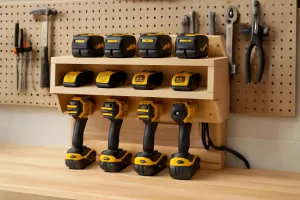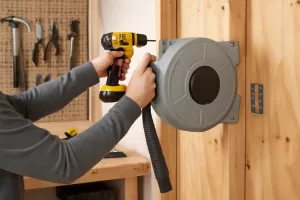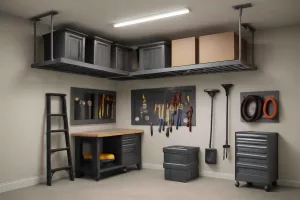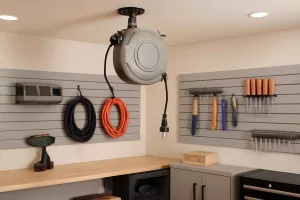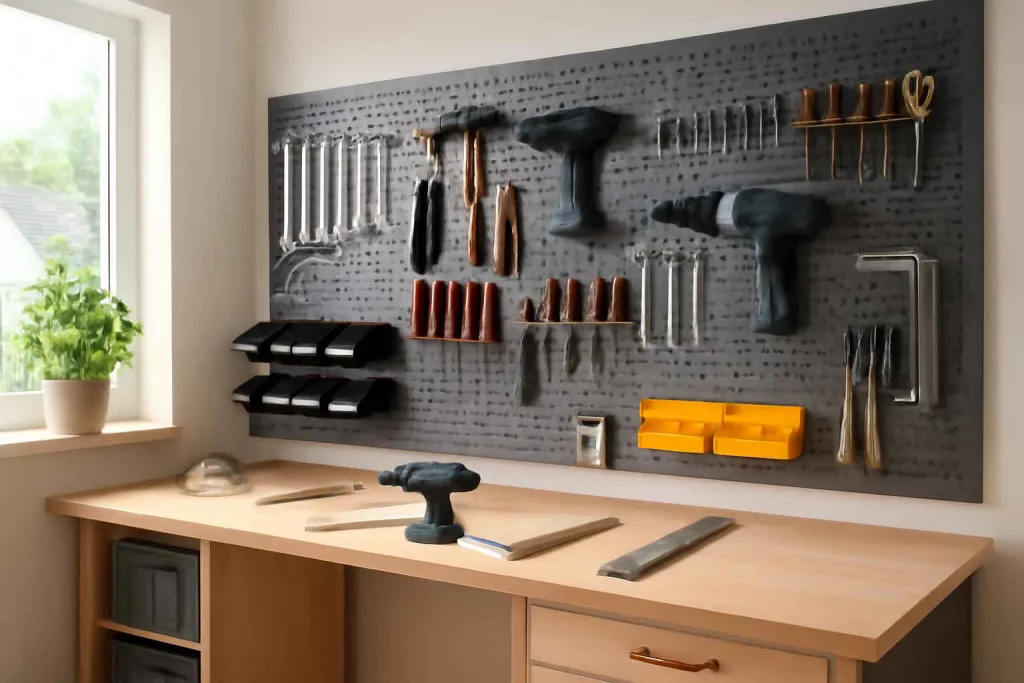
Keeping your workshop tidy and efficient starts with the right wall storage solution. Pegboard systems for workshop walls offer a customizable, scalable, and cost-effective way to display tools, accessories, and small parts at arm’s reach. Whether you’re a weekend DIYer or a seasoned hobbyist, a well-organized workspace saves you time and keeps you focused on the project. In this guide, you’ll explore the benefits of pegboard wall systems, learn key features to look for, review top product picks, and discover installation tips to maximize your workshop’s organization potential.
Why Choose Pegboard Systems for Workshop Organization?
Pegboard systems are popular in professional and home workshops alike because they turn blank walls into functional storage areas. Unlike bulky cabinets or rolling tool chests, pegboards make each tool visible and accessible while freeing up valuable bench and floor space. By mounting hooks, bins, and specialized accessories, you can group related items—such as screwdrivers, wrenches, and pliers—in logical zones.
One of the biggest advantages of pegboard systems is their adaptability. As your tool collection grows, you can rearrange hooks or add new panels without expensive renovations. Plus, pegboards are compatible with magnetic tool holders, offering hybrid storage solutions. If you’ve used magnetic tool holders for garage workshops, you know how quick-access storage improves workflow. Combining magnets and pegboard accessories on a single wall section creates a truly personalized setup.
Lastly, pegboard systems are budget-friendly and available in various materials—from classic fiberboard to durable steel. This flexibility lets you choose a style that complements your workshop aesthetic while providing enough strength to support heavy tools. With a well-chosen pegboard and accessories, you’ll reduce clutter and speed up tool selection, ultimately enhancing productivity in your home workshop.
Key Features to Look for in a Pegboard System
Material and Durability
Pegboards come in several materials: MDF fiberboards, PVC, metal, and even perforated steel. MDF pegboards are economical and easy to drill, but they may sag under heavy loads. PVC models resist moisture and warping, ideal for humid environments. Steel pegboards offer superior strength and are perfect when you need to hang heavier power tools or metal bins. Consider the weight of your tools and humidity levels in your workspace when selecting material.
Panel Size and Configuration
Standard pegboard panels measure 2’x4′ or 4’x8′, but manufacturers offer customizable sizes. Smaller panels are easier to handle during installation, while larger ones minimize seams and joint work. Look for kits that allow combining multiple sizes, giving you the flexibility to cover odd wall dimensions. Make sure the hole spacing—typically 1″ on center—is compatible with a wide range of hooks and accessories.
Load Capacity and Reinforcement
Check each pegboard’s load rating. Light-duty boards support about 5–10 pounds per square foot, while heavy-duty steel systems can handle 20 pounds or more per hook. Reinforced frames or backing plates can increase stability when mounting heavy items. If you plan to store bulkier power tools or multiple tool holders in a single section, choose a system with reinforced mounting rails or metal studs for added support.
Compatibility with Accessories
A thriving pegboard setup relies on diverse accessories: hooks, tool holders, bins, shelves, and magnetic strips. Make sure your chosen pegboard brand offers a comprehensive accessory catalog, and that third-party accessories fit standard hole dimensions. Universal pegboard hooks and brackets ensure you won’t outgrow your system as you discover new storage needs.
Top Pegboard Systems and Accessories for Workshop Walls
After evaluating durability, design, and accessory choices, we’ve selected the best pegboard systems for workshop walls. Each option includes unique benefits to suit various workshop sizes and budgets. Below are our top picks with direct links to explore current pricing and read user reviews.
- Wall Control FC Series Steel Pegboard Panels: These rugged welded steel panels resist wear and support heavy tools with ease. The matching accessory line includes hooks, bins, and specialty racks. View on Amazon
- Steadyrack Heavy-Duty PVC Pegboard: Moisture-resistant and impact-proof, this PVC panel is ideal for home garages and outdoor sheds. Steadyrack’s Wall Rack hooks and baskets click in securely for stable storage. Check price
- Husky Modular Pegboard Panel Kit: Available in various colors, this MDF-based system comes with mounting hardware and a mix of basic hooks. Its modular frame lets you expand seamlessly, and accessories are sold separately. Shop now
- Wall Control Steel Pegboard Magnet Set: Perfect for integrating magnetic storage, this set pairs steel peg panels with powerful magnetic hooks and trays. Combine with your existing pegboard for hybrid functionality. Buy magnets
- Oypla Multi-Purpose Pegboard Bins and Shelves: These plastic bins and shelves snap into universal peg holes, offering easy access to screws, nails, and small parts. Ideal when paired with any 1″ hole-spacing board. View options
For detailed guidance on storage customization, explore our article on modular drawer inserts to complement your wall storage strategy.
How to Install a Pegboard System
Installing a pegboard panel is straightforward if you follow these steps. Start by selecting the installation zone, ideally above your workbench or tool cabinet. Ensure the wall surface is clean, level, and free of obstructions. Locate studs using a stud finder and mark them on the wall—stud-mounted anchors provide maximum load support.
Next, hold the pegboard panel against the wall and level it with a spirit level. Drill pilot holes through the board into the wall studs, spacing fasteners every 12–16 inches. Use washer-head screws or lag bolts for heavy-duty steel pegboards; standard wood screws suffice for lightweight MDF systems. Leave a 1/4″ gap between the board and wall to allow hooks to penetrate fully.
After mounting the panels, insert pegboard hooks, bins, and specialty holders according to your tool layout. Group similar tools and leave open space to accommodate future additions. If mounting multiple panels side by side, use connector kits or joiner strips to bridge seams and ensure a seamless display.
Tips for Maximizing Your Pegboard Storage Efficiency
To get the most from your pegboard, plan your layout before hanging hardware. Sketch a rough diagram of tool groupings: hand tools in one zone, power tool accessories in another, and small parts in bins. Use color-coded labels on bins for quick identification. Magnetic strips are ideal for drill bits and metallic accessories, reducing hook clutter.
Rotate tools based on season or project frequency. Keep daily-use items lower for easy reach and stash infrequently used gear above. If space allows, incorporate a small shelf or tool tray on the pegboard for items like tape measures or sanding blocks. For heavy power tools, consider reinforcing the mounting area with plywood backing or a steel frame to prevent stress on drywall anchors.
Finally, maintain a clean workspace by dusting the pegboard regularly and wiping down metal surfaces with a light lubricant to prevent corrosion. Visual consistency—aligning hooks in straight rows—also enhances the aesthetic and helps you spot missing tools at a glance.
Maintenance and Safety Considerations
While pegboards are low-maintenance, periodic checks ensure long-term performance. Inspect hooks and accessories for wear, especially those carrying heavy loads. Replace bent or rusted hooks to prevent tools from falling. If you notice any sagging panels, tighten fasteners and add additional wall anchors or braces.
For safety, avoid overloading single hooks beyond their weight rating. Distribute weight evenly across multiple hooks or use specialized heavy-duty hooks for oversized items. Keep sharp tools sheathed or in holders designed for blades to prevent accidental injury. When working near the pegboard, wear safety glasses and gloves as a precaution against loose hardware.
Conclusion
Upgrading your workshop with a high-quality pegboard system transforms blank walls into dynamic storage hubs. By selecting the right material, assessing load requirements, and investing in compatible accessories, you’ll create a versatile organization solution that evolves with your tool collection. Follow our installation guide and efficiency tips to build a layout tailored to your workflow. Ready to take the next step? Start by choosing one of our top recommended pegboard systems and watch your workshop productivity soar.