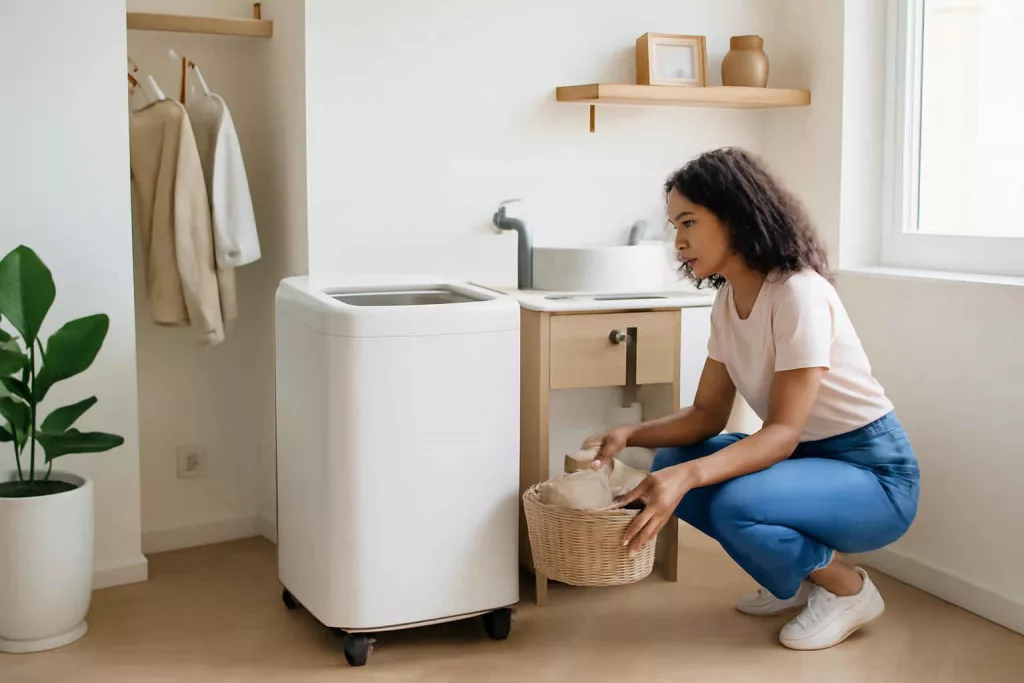
Finding an efficient laundry solution in a cramped urban space can feel like a never-ending challenge. Portable washing machines are designed to deliver full wash cycles without sacrificing valuable floor space, making them ideal for renters and small-apartment dwellers. Whether you live in a studio or a one-bedroom apartment, investing in a compact washer can save you trips to the laundromat and fit seamlessly into your living area. If you’re ready to upgrade your home laundry setup, check out portable washing machines for small apartments on Amazon to explore top-rated models with advanced features.
Why Choose a Portable Washing Machine for Small Apartments
Space constraints and building regulations often bar tenants from installing full-size washers. Portable washing machines bridge that gap, delivering convenience and functionality in a compact footprint. Many models offer a capacity of 1.5 to 2.5 cubic feet, enough for daily loads of clothing, bedding, and towels. The versatility of portable units means you can roll them into your bathroom or balcony, connect to a standard faucet, and drain into a sink—no plumbed-in hookups required. For more organization tips tailored to apartment living, check out our guide on space-saving storage solutions.
Space-Saving Design
Portable washers often measure less than 24 inches wide, freeing up vital floor space. Their slim profiles allow them to tuck under countertops or stack beside other appliances. Adjustable leveling feet help maintain stability on uneven surfaces, preventing vibration and noise during spin cycles.
Versatility and MobilityIn contrast to built-in washers, portable units can be moved and stored when not in use. Most models include built-in wheels or detachable casters, so you can roll the washer out of the way after a cycle finishes. This flexibility lets you reclaim floor space for guests or other activities.
Cost-Effectiveness
Investing in a portable washer often costs less than signing up for recurring laundromat expenses or installing complex plumbing. Energy-efficient models help reduce electricity and water bills, providing long-term savings. Many units carry ENERGY STAR ratings, ensuring lower operational costs compared to older machines.
Key Features to Look for in a Compact Washer
When comparing portable washing machines, prioritize features that align with your laundry habits and apartment layout. Below are critical specs to evaluate before purchasing.
Capacity and Load Size
Capacity ranges from 1.5 to 3.0 cubic feet in most compact models. Smaller capacities suit singles or couples, while higher capacities handle family-size loads. Measure the dimensions where you plan to place the washer, and choose a model that won’t obstruct doorways or walkways.
Wash Cycles and Programs
Diverse wash settings—such as delicate, heavy-duty, quick wash, and wool—ensure garments receive proper care. Look for models with customizable cycle durations and water temperature control. Quick wash programs are perfect for lightly soiled items, saving time and energy.
Spin Speed and Efficiency
A higher spin speed accelerates water extraction, reducing drying time. Spin speeds range from 600 to 1400 RPM. Balance spin speed with noise levels: faster spins can produce more vibration and noise, which may be disruptive in close quarters.
Water and Energy Consumption
Check water usage per cycle; efficient washers use less than 12 gallons. Energy-efficient models reduce power draw and can cut operational costs by up to 20%. Look for machines with energy-saving labels to maximize savings.
Portability and Setup
Most portable washers connect to a standard faucet and drain into sinks. Verify hose lengths and faucet adapters are included. Built-in wheels ease mobility; look for locking casters to keep the unit stable during operation.
Top Portable Washing Machines for Small Apartments
Below are our curated picks for the best portable washers that combine performance, reliability, and compact form factors.
1. Panda PAN6320W 1.6 cu.ft. Portable Washing Machine
The Panda PAN6320W offers six wash programs, a stainless-steel drum, and an LED display. With a 1.6 cu.ft. capacity, it handles up to 13 lbs per load. Quick wash cycles complete in as little as 15 minutes. Shop Panda PAN6320W.
2. Giantex 2-in-1 Portable Washer and Spin Dryer
This two-in-one unit features separate tubs for washing and spin drying. The 1.34 cu.ft. washer and 1.26 cu.ft. spinner fit into small spaces while delivering thorough cleaning and fast spin cycles. Find the Giantex Washer & Dryer.
3. COSTWAY Mini Portable Washing Machine
The COSTWAY mini washer boasts a unique collapse-and-store design, shrinking when not in use. It holds up to 8.8 lbs of laundry and offers gentle cleaning with low spin speeds, ideal for delicate garments. View COSTWAY Mini Washer.
4. KUPPET Compact Twin Tub Washing Machine
KUPPET’s twin tub design separates washing and spinning, allowing continuous operation. The 1.34 cu.ft. washer and 0.88 cu.ft. spin section tackle dirt and moisture extraction efficiently. Buy KUPPET Twin Tub Washer.
5. Magic Chef MCSTCW09W1 Compact Washer
With a 0.9 cu.ft. capacity, the Magic Chef MCSTCW09W1 is ultra-compact and fits on countertops. It includes three wash programs and a timer for precise cleaning cycles. Purchase Magic Chef Compact Washer.
How to Install and Set Up Your Portable Washing Machine
Installing a portable washer requires minimal tools and no professional help. Follow these steps for a smooth setup.
Selecting the Right Location
Choose a flat, stable surface near a sink or faucet. Avoid carpeted areas to prevent moisture damage. Ensure there’s adequate ventilation to minimize humidity build-up in enclosed spaces.
Connecting Water Inlet and Drain Hoses
Attach the inlet hose to your sink faucet using the included adapter. Secure the hose clamp to prevent leaks. Position the drain hose over the sink edge, bathtub, or dedicated floor drain—never leave it dangling where it could be dislodged.
Leveling and Securing the Unit
Adjust the washer’s leveling feet until it sits firmly without wobbling. If your model has locking casters, engage them to maintain stability during high-speed spins.
Power and Safety Checks
Plug the washer into a grounded outlet. Avoid using extension cords. Inspect all connections for leaks before running the first cycle. Keep the power cord away from water sources to prevent electrical hazards.
Maintenance Tips for Portable Washing Machines
Regular maintenance extends the life of your portable washer and keeps clothes fresh. Implement these best practices to prevent odors and mechanical issues.
Cleaning the Drum and Tub
Run an empty cycle with hot water and two cups of white vinegar monthly to remove detergent residue and mold. Follow up with a rinse cycle to eliminate any lingering vinegar smell.
Clearing the Filter
Most portable washers have lint or debris filters. Inspect and clean these filters after every few loads. Refer to your owner’s manual for filter removal and cleaning instructions.
Descaling and Hard Water Care
If you live in an area with hard water, use a descaling agent every three months to dissolve mineral buildup in hoses and components. This practice ensures optimal water flow and heating efficiency.
Proper Storage and Off-Season Care
When not in use, disconnect hoses, drain residual water, and store the machine in a dry environment. Coil hoses neatly and cover the unit to protect it from dust.
Alternatives to Portable Washing Machines
While portable washers are convenient, they may not suit every lifestyle. Consider these alternatives if you need greater capacity or hands-off service.
Laundromat and Laundry Services
Professional laundromats handle heavy loads and bulky items like comforters. Many offer wash-and-fold services, so you can drop off and pick up clean laundry without doing the work yourself.
Shared Laundry Rooms
Apartment complexes often include communal laundry facilities. While you save on equipment costs, you sacrifice privacy and convenience—especially during peak hours.
All-in-One Washer-Dryer Combos
If space allows, consider a stackable washer-dryer combo. Though more expensive, they provide full laundry functionality in a single appliance, eliminating the need for laundromat visits.
Frequently Asked Questions
Are portable washing machines as effective as full-size washers?
Portable units deliver comparable cleaning performance for everyday loads. However, they may struggle with very bulky items or extremely large loads. Choose a model with higher spin speeds and multiple cycle options for best results.
Do I need special plumbing for a portable washer?
No. Portable machines connect to standard faucets using included adapters, and the drain hose suspends over sinks or tubs. No permanent plumbing modifications are required.
How much water does a portable washing machine use?
Efficient models use between 8 and 12 gallons per load, compared to 15–25 gallons for full-size top-load washers. Check the manufacturer’s specifications for exact figures.
Can I wash delicate items in a portable machine?
Yes. Most models offer gentle or delicate cycles specifically designed for fine fabrics, lingerie, and wool.
How noisy are portable washing machines?
Noise levels vary. Look for models with vibration reduction features and insulated cabinets to minimize sound during spin cycles.
Conclusion
Portable washing machines pack convenience, efficiency, and affordability into small footprints, perfect for small apartments and renters. By focusing on capacity, cycle options, energy consumption, and portability, you can select the right model to fit your lifestyle. With proper installation and routine maintenance, a compact washer becomes an indispensable home appliance—saving you time, money, and trips to the laundromat. Ready to make laundry day a breeze? Browse our top portable washing machine picks and enjoy fresh clothes without leaving home.