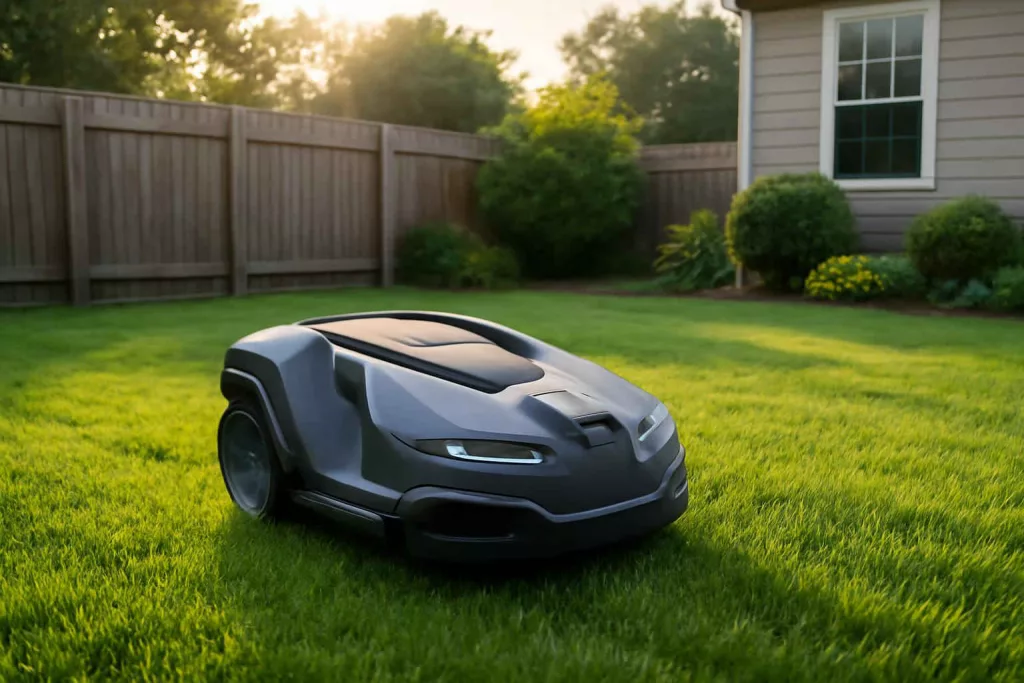
Robotic lawn mowers are transforming how homeowners maintain green spaces. If you have a compact yard, a robotic lawn mower can save you time and deliver consistent results without the noise and labor of traditional mowing. From choosing the right boundary setup to optimizing cutting patterns, this guide covers everything you need to know to select and operate the best robotic lawn mower for small yards.
Why Choose a Robotic Lawn Mower for Small Yards?
Maintaining a neat lawn in a small yard often involves frequent trips to the garage, pulling out heavy equipment, and dedicating weekends to yard work. A robotic lawn mower automates this process, offering significant advantages:
- Time Savings: Once programmed, the mower works autonomously, freeing up hours each week for other activities.
- Consistent Lawn Maintenance: Regular, small cuts promote healthier grass and prevent scalping that can occur with infrequent mowing.
- Quiet Operation: Most robotic mowers operate under 60 decibels, significantly quieter than gas-powered mowers, allowing you to mow early in the morning or late afternoon without disturbing neighbors.
- Eco-Friendly: Electric operation produces zero direct emissions. Combined with solar-charged charging stations, you can further reduce your carbon footprint.
For small yards with hedges, flowerbeds, and paved paths, pairing your mower with a cordless electric leaf blower helps clear grass clippings from walkways, keeping the entire yard tidy.
Key Features to Look for in Small Yard Robotic Mowers
Not all robotic lawn mowers are created equal. When shopping for the best robotic lawn mower for small yards, focus on these critical features:
- Cutting Width and Height Adjustment: Compact models often offer a deck width between 6 and 9 inches, perfect for navigating narrow passages. Ensure height adjustments accommodate 1 to 2.5 inches for a versatile finish.
- Battery Life and Charge Time: Look for lithium-ion batteries that support 60 to 90 minutes of runtime on a single charge. Quick-charging units (under 60 minutes) maximize mowing cycles per day.
- Boundary Wire and Perimeter Sensors: A reliable boundary wire system paired with collision sensors minimizes accidental run-ins with obstacles, trees, or garden edging.
- Rain and Weather Resistance: Mowers with IPX5 or higher ratings can handle light rain, ensuring scheduled mowing even in unpredictable spring weather.
- Deck Material and Blade Quality: Reinforced plastic decks with steel blades provide a balance of lightweight design and cutting durability for close-quarters trimming.
Smart Features and Connectivity
Modern robotic mowers integrate advanced connectivity options, enhancing control and monitoring:
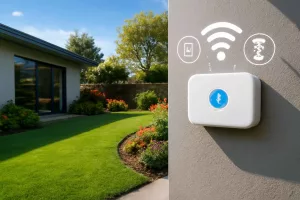
- App Control: Mobile apps for iOS and Android let you schedule mowing, adjust settings, and receive status updates from anywhere in your home or office.
- Voice Assistant Integration: Compatibility with smart home hubs like Amazon Alexa or Google Assistant enables hands-free commands like “start mowing” or “pause mower.”
- Mapping and GPS Guidance: Higher-end models create digital lawn maps, optimizing cutting paths and identifying no-go zones without additional boundary wire segments.
- Anti-Theft Systems: PIN codes, GPS tracking, and audible alarms protect your investment if someone tries to move or tamper with the mower.
Top Robotic Lawn Mower Models for Small Yards
After extensive testing and research, here are our top recommendations:
Husqvarna Automower 115H – Best Overall
The Automower 115H covers up to 0.4 acres and excels in small yard navigation. With a quiet brushless motor and 70-minute runtime, it handles slopes up to 40% grade. The intuitive interface and reliable boundary wire system ensure precise cutting along edges and under obstacles. Buy on Amazon: Husqvarna Automower 115H.
Worx Landroid M WR140 – Best Budget Option
For yards up to ⅓ acre, the Worx Landroid M WR140 offers excellent value. Its AI-driven cutting algorithm adapts to lawn shape, completing jobs in 60 minutes. App control and modular upgrade kits allow you to expand features over time. Buy on Amazon: Worx Landroid M WR140.
Robomow RS630 – Best for Sloped Terrain
The Robomow RS630 handles slopes up to 36° thanks to its dual outer wheels and alloy steel blades. Covering up to 0.75 acres, its wide 22-inch cutting path reduces mowing time. The weatherproof control panel and voice prompts make setup and adjustments straightforward. Buy on Amazon: Robomow RS630.
Greenworks Optimow – Best Smartphone Integration
Greenworks Optimow stands out with real-time GPS tracking and geofencing via its mobile app. It automatically adjusts mowing patterns based on rain sensors and lawn conditions, offering seamless hands-off operation for up to 0.35 acres. Buy on Amazon: Greenworks Optimow.
Installation and Setup Tips for Your Robotic Lawn Mower
Proper installation ensures your robotic mower runs efficiently and safely:
- Plan the Boundary Wire Route: Lay the wire around lawn edges, garden beds, and obstacles at least 4 inches from hard surfaces. Use corner clips to secure wire against shifting soils.
- Select Charging Station Location: Place on level ground near a weatherproof power outlet. Ensure at least 5 feet of clearance in front for smooth docking.
- Run a Learning Cycle: Most models include a learning mode that maps lawn shape. Allow this initial run to complete so the mower can optimize cutting patterns.
- Calibrate Slope and Sensor Settings: Adjust sensitivity for collision avoidance and height settings during the first two weeks to refine performance.
If you need extra storage or tool organization during installation, explore our guide to Best Cordless Hedge Trimmers for Small Yards to streamline your yard tool setup.
Maintenance and Seasonal Care
Maintaining your robotic mower extends its lifespan and ensures peak performance:
- Blade Inspection and Replacement: Check blades monthly and replace when worn to maintain clean cuts and protect grass health.
- Clean Sensors and Undercarriage: Remove grass clippings and debris after each mowing cycle, especially around wheel axles and sensors.
- Battery Care: Store the mower indoors during extreme temperatures. For lithium-ion batteries, keep charge between 20% and 80% when off-season stored.
- Pre-Winter Storage: Clean thoroughly, detach and store the battery, and cover the charging station. Refer to your model’s manual for specific storage recommendations.
Budget and Pricing Considerations
Robotic lawn mowers range from $600 to $3,000. Budget-friendly models cover smaller areas and include basic scheduling and boundary features. Mid-range options add app integration, rain sensors, and extended runtimes, typically priced between $900 and $1,500. Premium units costing $1,800+ offer advanced mapping, anti-theft systems, and steeper slope handling. Decide which features matter most before investing:
- Basic Scheduling vs. Smart App Control: If you rarely adjust settings, basic scheduling may suffice. For remote monitoring and updates, choose an app-enabled model.
- Lawn Size vs. Runtime: Match the mower’s runtime to your lawn’s square footage. A 60-minute runtime is ideal for yards under 0.4 acres.
- Features vs. Maintenance Cost: Self-updating software and auto blade replacement systems add convenience but may increase long-term maintenance costs.
Frequently Asked Questions
Can a robotic mower handle uneven terrain?
Many models manage slopes up to 40%. Look for dual-wheel traction and adjustable cutting height for the best performance on uneven ground.
Is the boundary wire hard to install?
Most systems use a single perimeter wire laid on or just below the soil. With proper planning and clips, installation takes 2–4 hours for small lawns.
How often should I replace the blades?
Replace blades every 8–12 weeks, depending on usage and grass type. Dull blades tear rather than cut, stressing grass roots.
What safety features should I look for?
Opt for models with lift and tilt sensors that automatically stop blades when the mower is flipped or lifted. PIN codes and alarms protect against theft.
Conclusion
Upgrading to the best robotic lawn mower for small yards transforms routine yard work into a hands-off experience. By focusing on key features like battery life, boundary systems, and smart connectivity, you can select a model that fits your needs and budget. Once installed, regular maintenance and seasonal care will keep your mower—and lawn—in top condition. For more small yard solutions, check out our guides on Best Solar-Powered Pathway Lights for Small Yards and Best Cordless Hedge Trimmers for Small Yards.