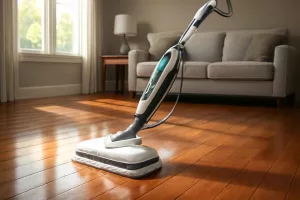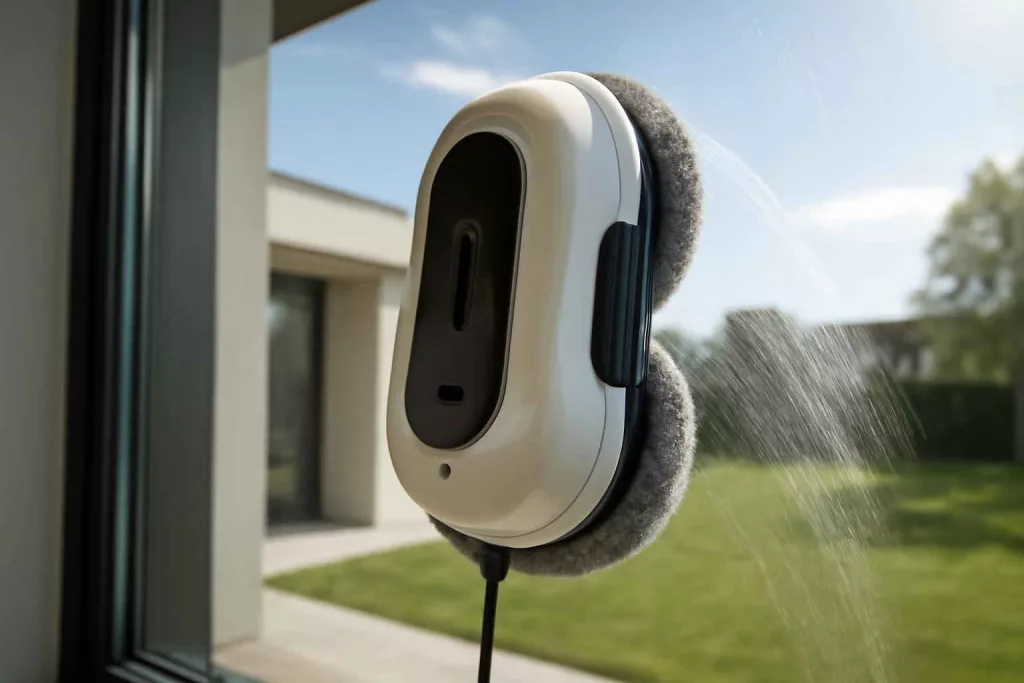
Cleaning windows by hand can be time-consuming, physically demanding, and prone to streaks. Fortunately, modern automation has introduced devices like robotic vacuums with self-emptying bases for floors—and now, robotic window cleaners bring the same convenience to vertical surfaces. If you’re ready to upgrade your window cleaning routine, explore our comprehensive guide to the best robotic window cleaners designed specifically for home use. In the following sections, you’ll find detailed explanations of how these devices work, essential buying criteria, top product recommendations, maintenance tips, and answers to frequently asked questions to help you make a confident purchase.
How Robotic Window Cleaners Work
Robotic window cleaners combine advanced motorized components, suction systems, and safety sensors to adhere to and traverse glass surfaces with minimal human intervention. At their core, these gadgets use powerful vacuum suction to stick onto windows, while microfiber or squeegee-style pads rotate or oscillate to lift and remove dust, grime, and water. A built-in reservoir or disposable pads collect dirt and moisture, making it easy to wipe away residue or simply swap out pads after each use.
Most robotic window cleaning robots rely on infrared or laser distance sensors to map the window area, plan their cleaning path, and avoid obstacles such as window frames or ledges. Some high-end models feature AI-powered route optimization, ensuring they cover every square inch without unnecessary repetition. In case of power loss or suction failure, safety tethers and backup batteries prevent the robot from falling, providing peace of mind when cleaning high or difficult-to-reach windows.
These window-cleaning robots often support both indoor and outdoor glass surfaces, tackling sliding doors, fixed windows, and even glass partitions. Their ability to navigate vertically and reverse direction at the end of each sweep makes them true time-savers, reducing manual labor and improving overall cleaning efficiency compared to traditional cloth-and-sprayer methods.
Key Features to Consider When Choosing a Robotic Window Cleaner
Selecting the right robotic window cleaning device requires careful attention to several critical features. Below, we break down the most important factors to evaluate before making a purchase.
Cleaning Mode and Brush Types
Different robotic window cleaners offer varied cleaning modes—typically dry, wet, and spray-wipe combinations. Dry mode uses microfiber pads to remove dust and light debris, ideal for routine upkeep. Wet mode applies a small amount of cleaning solution or water from an onboard tank, followed by squeegee action for deeper cleaning. Advanced models feature alternating wet and dry cycles in one pass, maximizing streak-free results. Assess whether the robot’s brush or pad material suits your window type—microfiber for lint-free polishing, sponge for heavy-duty grime removal, or rubber blades for efficient water pickup.
Navigation and Safety Sensors
A robust sensor suite ensures your robotic window cleaner navigates complex window layouts without slipping or missing spots. Infrared or ultrasound sensors detect edges and prevent falls, while distance sensors map the cleaning area and guide the robot’s path. Some devices integrate AI-driven obstacle detection to avoid window locks, frames, or dirt build-up at the edges. Look for machines with emergency stop functions, automatic return to start positions, and audible alerts to handle unexpected situations safely.
Battery Life and Power Supply
Battery life directly impacts how much window area a single charge can cover. Typical runtime ranges from 30 to 60 minutes, with higher-end models offering up to 90 minutes on a full charge. If you have large windows or multiple glass surfaces, check for a model with quick-charging capabilities or a detachable battery pack for uninterrupted cleaning sessions. Some heavy-duty robots include a continuous power cord combined with suction, eliminating the need for battery swaps and ensuring steady performance—especially useful for expansive or exterior windows.
For insights on extending battery life and maintenance best practices, consult our battery maintenance guide, which covers everything from proper charging cycles to storage recommendations to prolong lithium-ion battery life.
Surface Compatibility and Application
Not all glass surfaces are created equal. Robotic window cleaners vary in their ability to handle tinted, double-pane, textured, or framed windows. Verify the robot’s thickness capacity—typically between 4 mm to 28 mm—and confirm it can adhere to the type of glass in your home. Some models include rubber pads specifically designed to seal around frames, preventing suction loss. Additionally, consider whether the device supports cleaning skylights, display windows, or glass partitions to ensure versatile performance across all your needs.
Top 5 Best Robotic Window Cleaners for Home Use
1. Ecovacs Winbot X
The Ecovacs Winbot X delivers exceptional versatility with cordless operation and a remote-control interface. Its hybrid suction system maintains steady adhesion on both indoor and outdoor windows up to 25 mm thick. Equipped with dual microfiber pads, it alternates spray-and-wipe cycles, ensuring streak-free shine. A 130-minute runtime per battery charge makes it ideal for large window areas. Find it on Amazon: Ecovacs Winbot X.
2. Hobot Legee 688
Combining vacuuming, mopping, and window cleaning functions, the Hobot Legee 688 is a 3-in-1 floor and window robot. For windows, it leverages powerful suction and oscillating pads, mapping routes via infrared sensors. Its smart app connectivity lets you set cleaning schedules and monitor progress remotely. The 50-minute battery life per cycle handles most medium-sized homes without interruption. Although the Legee 688 shines on floors, its adaptable window module makes it a versatile addition to your automated cleaning arsenal.
3. Alfawise S60
The Alfawise S60 is a budget-friendly option offering reliable suction and an easy-to-use control panel. It includes a detachable water tank and separate dry cloth for multi-stage cleaning, with edge detection sensors safeguarding against accidental drops. Compatible with window panes up to 28 mm thick, the S60 operates for approximately 45 minutes per charge. Its compact design and affordable price make it an excellent choice for first-time robotic window cleaner buyers. Check current pricing: Alfawise S60 Window Cleaner.
4. Mamibot W120-T
With a unique square profile and four-corner edge detection, the Mamibot W120-T ensures complete coverage on frameless windows and glass surfaces. Its dual-motor system provides 3,000 Pa suction power, while the onboard water tank dispenses cleaning solution at adjustable levels. The 50-minute runtime supports multiple cleaning passes, and the included safety tether offers extra security for high-rise window work. Mamibot’s user-friendly design streamlines both setup and cleanup, making it a solid pick for residential use.
5. HOBOT 298
The HOBOT 298 stands out for its voice-control compatibility with Alexa and Google Assistant, enabling hands-free operation. It employs a 3-point suction mechanism and dual microfiber pads to tackle dirt, dust, and mineral deposits effectively. Speech alerts inform you of cleaning progress and safety status. Although it operates for only 35 minutes per charge, its multipoint power supply option allows continual cleaning via a lightweight power cord. Perfect for tech-savvy homeowners who want smart home integration added to their cleaning routine.
Maintenance Tips for Your Robotic Window Cleaner
Proper maintenance extends the life of your robotic window cleaner and ensures optimal performance. After each cleaning session, remove and rinse microfiber pads under warm water. Allow them to air dry completely before the next use to prevent mold or unpleasant odors. Periodically check and clean the suction inlet to avoid clogs caused by dust particles or debris.
Inspect sensors and edge-detection modules with a soft, dry cloth to maintain accurate navigation. If your model uses a disposable cleaning solution, replace cartridges according to manufacturer recommendations to avoid residue build-up. Store the robot in a cool, dry place and maintain charger contacts free of corrosion to preserve battery health.
For additional insights on battery care—especially if you own multiple cordless home gadgets—refer to our in-depth battery maintenance guide. Keeping your batteries in top condition helps your devices achieve the advertised runtime and prevents unexpected shutdowns.
Finally, review your manufacturer’s user manual for any model-specific guidelines on firmware updates, accessory replacement, and warranty coverage. Regular software updates can unlock new cleaning patterns and improve obstacle detection, making your robotic window cleaner more efficient over time.
Robotic Window Cleaners vs. Traditional Cleaning Methods
Traditional window cleaning typically involves a ladder, squeegee, scrubber, and cleaning solution—tools that require manual effort, can pose safety hazards when working at height, and often leave streaks if not used correctly. Robotic window cleaners offer a hands-free alternative, automating the repetitive motions and applying consistent pressure for uniform results.
While professional window-washing services deliver spotless windows, they come at a high recurring cost. Investing in a robotic window cleaner provides a one-time expense with unlimited cleaning cycles, saving time and money in the long run. Additionally, these robots reach areas that are awkward or unsafe for ladders, such as tall bay windows or exterior glass facades.
However, robotic cleaners are not entirely maintenance-free. They require regular pad cleaning, occasional software updates, and safe storage practices. For homes with complex window frames or textured glass, manual spot cleaning may still be necessary. Ultimately, combining a robotic window cleaner with periodic traditional check-ups gives you the best of both worlds—efficiency, safety, and pristine glass.
Frequently Asked Questions
1. Are robotic window cleaners safe for exterior windows?
Yes. Most robotic window cleaners include safety tethers and emergency battery backups to prevent falls. Always follow the manufacturer’s instructions for outdoor use and attach the safety rope before deployment.
2. How long does it take to clean a typical residential window?
Cleaning time varies by model and window size. On average, a 1.2m x 1.5m window takes about 3–5 minutes. Advanced AI-driven robots optimize routes and reduce overall cleaning cycles.
3. Do I need special cleaning solutions?
Many robotic window cleaners work effectively with plain water or a mild pH-neutral cleaning solution. Use only the recommended liquids specified in your user manual to avoid leaving residue or damaging internal components.
4. Can I use a robotic window cleaner on mirrors?
Yes, as long as the mirror is flat and within the thickness range supported by the robot. Avoid using on mirrored surfaces with irregular shapes or frames without proper sealing.
5. How often should I replace cleaning pads?
Replace washable pads every 6–12 months depending on usage frequency. For disposable pads, follow the manufacturer’s suggested replacement intervals, typically after 30–50 cleaning cycles.
Conclusion
Choosing the right robotic window cleaner can transform how you maintain your home’s glass surfaces—reducing manual labor, improving safety, and delivering streak-free results with minimal effort. From powerful models like the Ecovacs Winbot X to versatile hybrids such as the Hobot Legee 688, our top picks cater to various budgets and cleaning needs. Remember to evaluate features like suction power, sensor accuracy, battery life, and pad materials when making your selection. Proper maintenance and occasional spot checks will keep your windows sparkling year-round.
If you’re ready to take the next step in home cleaning automation, explore our recommended picks and find the perfect robotic window cleaner that fits your lifestyle. And for a complete cleaning setup, consider pairing your new window robot with automated floor cleaners—your home will thank you for the upgrade.