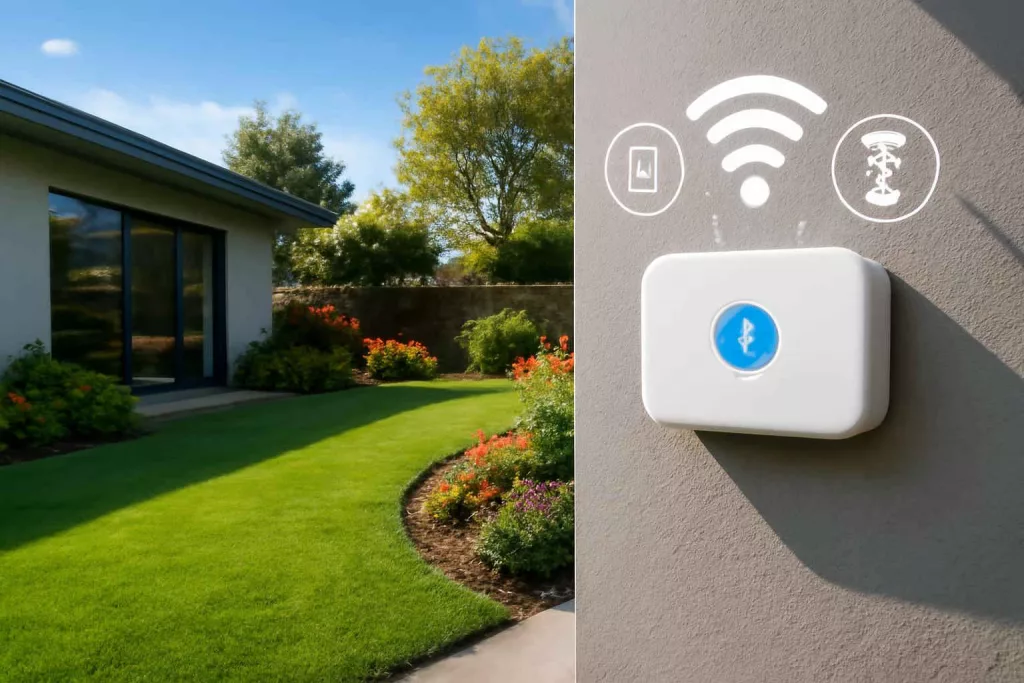
Upgrading to a best smart sprinkler controllers can transform the way you water your lawn and garden, saving you time, money, and water. Whether you’re interested in top models like the Rachio 3 Smart Sprinkler Controller or the Orbit B-hyve Smart Controller, these advanced devices automatically adjust schedules based on weather forecasts and soil moisture. Integrating seamlessly with voice assistants, you can start or stop watering from anywhere with your smartphone.
In this guide, we’ll cover everything you need to know about choosing a smart irrigation system for your home, from how they work to the key features to look for, and review five of the best smart sprinkler controllers on the market today. Ready to upgrade your watering routine? Let’s dive in.
What Is a Smart Sprinkler Controller?
A smart sprinkler controller, also known as a weather-based irrigation controller or Wi-Fi sprinkler controller, is an internet-connected device that replaces a standard timer-based irrigation timer. Unlike traditional controllers that water on a fixed schedule, smart controllers use local weather data, soil moisture sensors, or both to automatically adjust watering run times and schedules. This dynamic approach prevents overwatering during rainy periods and under-watering during droughts, optimizing plant health and conserving water.
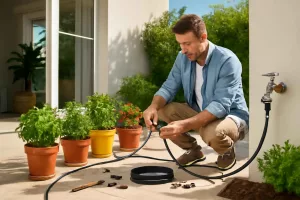
Key benefits include water savings—often up to 50%—and seamless integration with home automation ecosystems. Many devices offer remote access via mobile apps or web dashboards, allowing you to monitor and override schedules from anywhere. For gardeners with container plots, a DIY drip irrigation system guide can complement your smart controller for targeted watering of raised beds and potted plants.
Whether you have a compact urban backyard or expansively landscaped grounds, a smart controller provides the flexibility and intelligence to handle varying watering needs without constant manual adjustments.
How Smart Sprinkler Controllers Work
Smart sprinkler controllers rely on two primary data sources to optimize irrigation: internet-based weather forecasts and on-site sensors. By analyzing real-time and historical weather data, these controllers can predict rainfall, temperature changes, humidity, and wind conditions. They use algorithms to adjust watering durations, ensuring your turf or garden receives just the right amount of moisture.
Weather-Based Scheduling
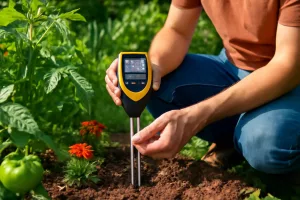
Controllers pull data from reputable meteorological services to forecast rainfall or frost events. If rain is predicted, watering is automatically skipped or shortened. During heat waves, the system may increase watering time or add additional cycles to prevent plant stress. This proactive adjustment improves plant health and reduces water waste. Many controllers also integrate with soil moisture sensors for hyper-local data—ideal for lawns with varying soil types.
Remote Access and Voice Control
With Wi-Fi connectivity, you can manage schedules and zones through intuitive mobile apps compatible with iOS and Android. Voice assistant integration with Amazon Alexa, Google Assistant, or Apple HomeKit allows hands-free commands like “Alexa, start zone 2 for 10 minutes.” Notifications alert you to system faults, low flow rates, or skipped cycles, so you stay informed if a valve fails or a zone isn’t running as planned.
Key Features to Look for in a Smart Sprinkler Controller
When selecting the best smart sprinkler controllers, consider the following critical features to ensure compatibility, ease of use, and robust performance:
Compatibility with Your Irrigation System
Check the number of zones your yard requires—common options range from 4 to 16 zones. Ensure the controller supports both spray and drip irrigation, especially if you plan to integrate garden beds and container gardens. If you already have a rain sensor installed, verify that the controller is rain-sensor compatible.
Mobile App and Integration
A user-friendly mobile app is essential for seamless remote management. Look for features like custom schedule creation, watering delay functions, and real-time data on water usage. Integration with smart home platforms lets you include irrigation in broader automation routines, such as pausing watering when a smart water leak detector alerts you to a potential leak in the irrigation line.
If you’re working on a complete water-saving garden setup, pairing your controller with smart water leak detectors and retractable garden hose reels ensures efficient water management across your property.
Installation Requirements
Most smart controllers install in place of your existing timer and require a consistent Wi-Fi signal at the controller location. If signal strength is weak, consider a Wi-Fi extender. Basic electrical wiring and a clear path from the controller to each irrigation valve are required. Some models operate on battery power for sensor connectivity, but main units typically need 110–120V AC power.
5 Best Smart Sprinkler Controllers on the Market
1. Rachio 3 Smart Sprinkler Controller
The Rachio 3 supports up to 16 zones and boasts advanced weather intelligence algorithms. Its sleek touchscreen display simplifies local management, while the mobile app offers zone control, usage reports, and integration with Amazon Alexa and Google Assistant. Installation is straightforward with clear wiring diagrams. Search and compare pricing for Rachio 3 Smart Sprinkler Controller to find the best deal.
2. Orbit B-hyve Smart Controller
Ideal for budget-conscious gardeners, Orbit’s B-hyve device covers up to 12 zones and features weather-based watering adjustments. The free mobile app provides easy scheduling and holiday mode. An optional Flow Meter Compatibility Kit helps detect leaks. For outdoor enthusiasts on a budget, this offers strong value without sacrificing core smart features.
3. RainMachine Touch HD
With a high-resolution touchscreen, RainMachine Touch HD stores local weather data for offline operation and supports open-source platforms for custom integrations. This controller handles up to 12 zones and delivers advanced reporting on soil moisture and evapotranspiration. It’s a top pick for tech-savvy homeowners.
4. Netro Sprite Smart Sprinkler Controller
Netro Sprite features learning irrigation patterns based on historical weather and plant type inputs. The slim, weatherproof unit fits neatly on any exterior wall and handles 8 zones. Users praise its intuitive app design and monthly watering estimates to help plan water budgets effectively.
5. Gardena Smart System Irrigation Control
Part of Gardena’s modular smart garden ecosystem, this controller links to soil moisture sensors, smart rain sensors, and Bluetooth-enabled accessories. Manage up to 9 zones via the Gardena app or integrate with voice assistants. A great choice if you’re building a full smart garden setup.
Installation and Setup Tips
Before installing your smart sprinkler controller, perform a pre-installation walkthrough to map zone locations, verify wiring lengths, and measure Wi-Fi signal strength at the controller’s mounting spot. A smartphone app like WiFi Analyzer can help identify weak spots and recommend extender placement.
Pre-Installation Checklist
- Turn off the main irrigation water supply.
- Label existing valve wires by zone number.
- Verify AC power outlet is within reach.
- Confirm Wi-Fi credentials and network strength.
- Gather basic tools: screwdriver, wire nuts, and a voltage tester.
Step-by-Step Installation
- Remove the old timer and disconnect wiring. Document connections.
- Mount the smart controller on a flat, protected surface near the valve manifold.
- Connect each zone wire to its corresponding terminal and secure with wire nuts. Attach the common wire to the COM terminal.
- Plug in the controller power cord, then restore the irrigation water supply.
- Download the manufacturer’s app, create an account, and follow in-app prompts to add zones and set plant types.
- Run a manual test cycle on each zone to confirm proper wiring and water flow.
Maintenance and Troubleshooting
Regular maintenance ensures your smart controller continues to perform accurately:
- Check for firmware updates monthly in the mobile app.
- Inspect valve wiring annually for corrosion or damage.
- Clean debris from rain sensors and soil probes.
- Test manual cycle functionality before peak watering seasons.
- Review water usage reports to detect unexpected spikes that may signal leaks.
If a zone fails to activate, verify both the controller wiring and the valve solenoid electrical connection. Weak Wi-Fi can prevent app communication—consider relocating the controller or adding an extender if needed.
Conclusion: Which Smart Sprinkler Controller Is Right for You?
Choosing the best smart sprinkler controllers comes down to zone count, integration needs, and budget. For feature-rich performance, the Rachio 3 stands out. Budget-minded users will appreciate the Orbit B-hyve. Tech enthusiasts may opt for the RainMachine Touch HD, while Gardena’s modular ecosystem works best in larger smart garden setups. Whichever you choose, upgrading to a weather-based controller means healthier plants and significant water savings. Ready to make the switch? Compare prices and pick your ideal model today!