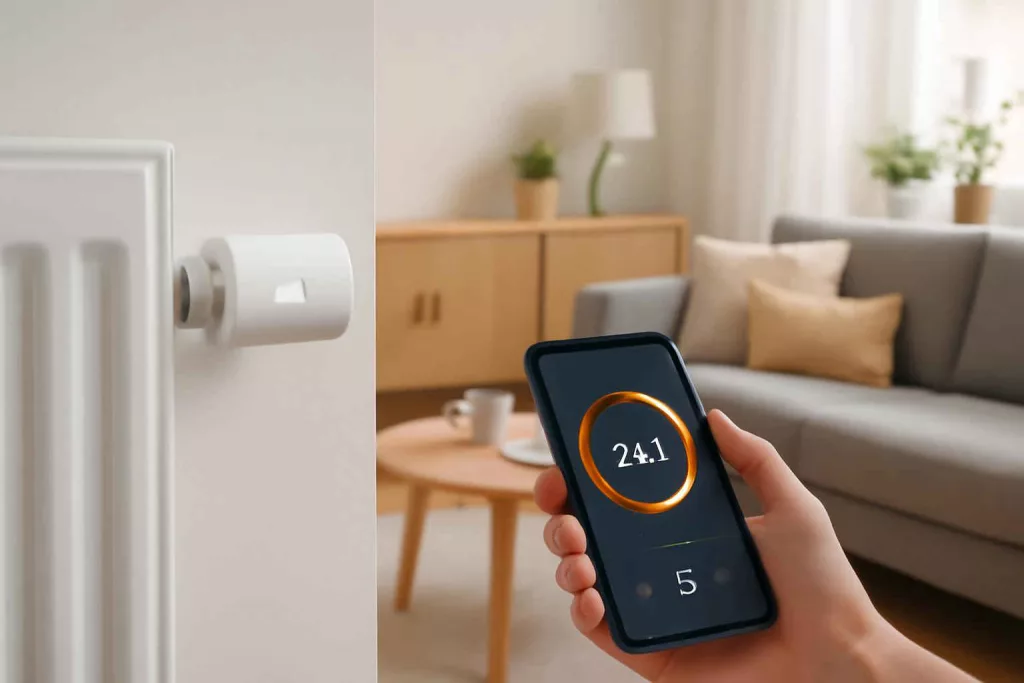
Upgrading your home heating system with smart thermostatic radiator valves can bring personalized comfort, energy savings, and seamless integration into your smart home. These devices attach directly to your radiators, allowing you to schedule, monitor, and adjust temperatures room by room from your smartphone or smart hub. Whether you want to wake up to a warm bedroom or maintain a perfect living room temperature all day, smart valves deliver precise control. Shop smart thermostatic radiator valves on Amazon to compare prices and features.
What Are Smart Thermostatic Radiator Valves?
Smart thermostatic radiator valves (TRVs) replace traditional radiator knobs with automated, app-controlled units. Each valve contains a temperature sensor, motorized actuator, and wireless communication module. Once installed on a radiator, the TRV measures the ambient temperature, compares it to your set point, and modulates the radiator’s flow of hot water accordingly. This direct control provides room-level temperature management rather than relying on a single thermostat for the entire heating system.
Integration options vary by model. Some valves connect via proprietary hubs, while others use protocols like Zigbee, Z-Wave, or Wi-Fi to link with popular platforms such as Amazon Alexa, Google Home, Apple HomeKit, or Samsung SmartThings. You can group valves into heating zones, create schedules, and even tie them into home automation routines—lowering temperatures when you leave and boosting them when you return.
As more households embrace smart home ecosystems, TRVs have become a staple for optimizing comfort and cutting heating bills. Their room-by-room zoning capability tackles cold spots and wasted energy. Installing individual valves on each radiator transforms your system into a precision instrument, delivering warmth only where and when you need it.
Benefits of Smart Radiator Valves
Personalized Comfort: Traditional radiator systems heat all zones equally, often overheating unused rooms. Smart thermostatic radiator valves let you set unique temperature profiles for each room. Bedrooms can stay cooler overnight, while bathrooms remain toasty during early mornings. This granular control translates into enhanced comfort without manual adjustments.
Energy Savings: According to industry estimates, zoning your heating with smart valves can save up to 30% on your heating bills yearly. By lowering temperatures in unoccupied areas, you reduce boiler runtime and minimize energy waste. Many valves offer real-time energy usage insights, helping you identify inefficiencies and optimize schedules.
Seamless Automation and Safety: Integrate your TRVs with other devices like Top Smart Water Leak Detectors to protect against frost damage. Automate heating routines based on geofencing, weather forecasts, or occupancy sensors. Alerts notify you if room temperatures drop below safe thresholds, preventing frozen pipes and moisture issues.
Key Features to Look for in Smart Thermostatic Radiator Valves
Compatibility: Verify hub and protocol support before purchasing. Apple HomeKit users should choose HomeKit-compatible valves, while others may prefer Zigbee or Z-Wave options for direct mesh networking. Wi-Fi models eliminate hub requirements but may occupy your home network.
Temperature Accuracy and Sensing: Look for valves with built-in thermistors or remote temperature sensors. Some models include wireless sensors you can place away from the radiator for more accurate room readings. Accuracy to within 0.5°F ensures precise comfort and reduces on/off cycling.
Scheduling and Zoning: Advanced valves allow you to create daily or weekly heating schedules per room. Zoning capabilities enable grouping multiple valves under a single schedule. This is essential for larger homes where thermal habits vary significantly by area.
Battery Life and Power Options: Most TRVs run on AA or AAA batteries and may last six to twelve months per charge. Hardwired options exist but require professional installation. Battery status alerts prevent unexpected downtime during winter.
Integration and Automation: Evaluate native integration with voice assistants and home automation platforms. Devices that support Best Smart Garage Door Openers style ecosystem integration typically offer richer automations and routines.
Top Smart Thermostatic Radiator Valves for Home Heating Control
1. Honeywell Home T6 Smart Thermostat Radiator Valve
The Honeywell T6 TRV combines user-friendly setup with robust scheduling. It pairs seamlessly with the Honeywell Home hub and offers precise 0.2°F temperature adjustments. The T6 supports up to six daily schedule changes and a vacation mode. Its battery life averages nine months, and it works with Amazon Alexa and Google Assistant. New users appreciate the clear LCD and intuitive dial interface.
2. tado° Smart Radiator Thermostat Starter Kit V3+
tado° offers a five-valve starter kit complete with a Bridge for Wi-Fi connectivity. Geofencing-based control lowers temperatures when the last user leaves home automatically. The adaptive start feature calculates heating time based on outside temperature, ensuring rooms reach the desired temperature at the scheduled time. HomeKit, Alexa, and Google Assistant integrations are standard.
3. Eve Thermo HomeKit-Enabled Radiator Valve
Eve Thermo exclusively supports Apple HomeKit via Bluetooth, making it perfect for iOS-centric households. It features a built-in temperature sensor and on-device scheduling. The free Eve app provides heat maps, consumption insights, and overheating protection. Pair with an Apple TV or HomePod to extend range and enable remote access.
4. Netatmo Smart Radiator Valve
Netatmo’s valve attaches quickly and communicates over Wi-Fi through its Energy Hub. It offers self-adapting schedules, frost protection, and manual boost mode. The valve accurately senses room temperature and humidity. Integration with IFTTT, HomeKit, Alexa, and Google Assistant allows complex automations based on weather or occupancy.
5. Danfoss Ally Smart Radiator Thermostat Starter Kit
Danfoss Ally uses Bluetooth mesh and a central Gateway instead of Wi-Fi. The starter kit includes three valves and a Gateway. It delivers intuitive weekly scheduling and open window detection, pausing heating during unexpected drafts. The Ally app charts consumption trends and syncs with Google Assistant. Battery life can reach up to twelve months.
How to Install Smart Radiator Valves
Most smart TRVs replace existing mechanical valves in minutes. First, shut off your heating system and allow radiators to cool. Remove the old valve head by twisting it counterclockwise. If necessary, use a small wrench to hold the adapter in place. Align the smart valve’s adapter ring with the radiator’s pin and secure by hand turning clockwise until snug.
Insert fresh batteries into the valve, attach it to the adapter, and boot the device. For Wi-Fi or Zigbee models, power on your hub or Bridge and follow the manufacturer’s pairing instructions in the app. Create rooms and heating zones, then configure schedules per room. Always test each valve by setting different temperatures and confirming radiator flow adjusts accordingly.
For hardwired or boiler-integrated installations, consult a qualified heating engineer. If you plan to integrate TRVs into your smart home, confirm your home automation platform supports the required protocol. Detailed installation guides from manufacturers and community forums can help troubleshoot unusual radiator connection types.
Maintaining and Troubleshooting Your Smart Radiator Valves
Regular Maintenance: Inspect valve adapters annually for leaks. Replace batteries at least once per year or when low-battery alerts appear in the app. Wipe valve bodies with a dry cloth—avoid moisture that might damage electronics.
Connectivity Issues: If a valve loses connection, move it closer to the hub or add a repeater device in your mesh network. For Bluetooth TRVs like Eve Thermo, ensure your HomeKit hub (Apple TV, HomePod) is within range. Reset and re-pair the device if persistent dropout occurs.
Temperature Discrepancies: Use remote temperature sensors if your TRV reads directly at the radiator body. These sensors provide more accurate room readings by avoiding localized heat. Adjust offset settings in the app to calibrate to your desired comfort baseline.
Frequently Asked Questions
How many smart valves do I need? Estimate one per radiated room for full zoning control. In larger living areas with multiple radiators, install valves on each unit to ensure consistent heating.
Do TRVs work with all radiator types? Most modern valves fit standard M30 x 1.5 connections. Older radiators may need adapter rings provided by manufacturers. Confirm compatibility before purchase.
Can I control valves when I’m away? Yes, models using Wi-Fi or a Bridge support remote access. Bluetooth-only valves like Eve Thermo require a home hub for off-site control.
Will smart valves save money? By reducing overheating and unused zone heating, homeowners often see up to 20-30% savings on heating bills. Actual savings depend on your climate and usage patterns.
Is professional installation necessary? DIY installation is feasible for most homeowners with basic tools. For hardwired setups or complex radiator systems, consult a certified heating engineer.
Conclusion
Smart thermostatic radiator valves transform legacy heating systems into efficient, customizable solutions. From Honeywell’s user-friendly T6 to Apple HomeKit’s Eve Thermo, there’s a model to suit every smart home ecosystem and budget. Focus on compatibility, sensor accuracy, and scheduling features to match your daily routines. Proper installation and routine maintenance ensure reliable performance and energy savings year-round. Upgrade your radiators today and enjoy personalized comfort, lower utility bills, and seamless integration with your smart home.