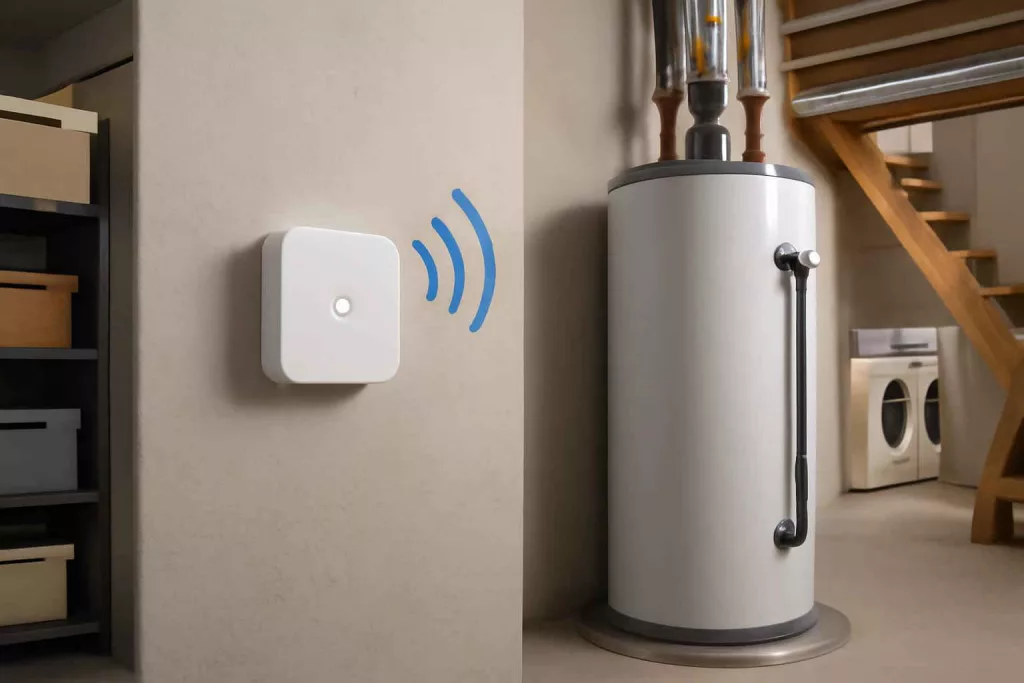
Detecting water leaks early can save homeowners thousands in repair costs and prevent mold growth. In a basement, hidden leaks often go unnoticed until damage is extensive. A reliable smart water leak detector alerts you instantly via Wi-Fi to the presence of water, stopping minor drips from turning into major flooding. Whether you store valuables on basement shelves or rely on a downstairs laundry area, installing a smart water leak detector is a proactive step for every homeowner.
Why You Need a Smart Water Leak Detector
Basements are prone to water infiltration from foundation cracks, burst pipes, or appliance failures. According to the Insurance Information Institute, water damage accounts for nearly 29% of all homeowners insurance claims, with an average payout of over $11,000. Traditional water alarms may sound a loud buzzer, but if you’re away or sleeping, valuable time is lost. Smart water leak detectors connect to your home network and send real-time alerts to your smartphone. This instant notification can trigger early action—shutting off the main valve, contacting a neighbor, or calling a plumber immediately.
Beyond flood prevention, smart sensors can track humidity and temperature changes in vulnerable areas. Some models integrate with smart home systems for automated responses, like turning off water supply via a connected valve. By combining continuous monitoring and remote alerts, you reduce the risk of hidden leaks damaging flooring, walls, or stored belongings. A small investment in a quality detector can protect your home equity and provide peace of mind whether you’re at work, on vacation, or sleeping downstairs.
Key Features to Consider When Buying a Smart Water Leak Detector
Selecting the right detector involves more than just a price tag. Here are critical factors to evaluate:
- Connectivity: Ensure reliable Wi-Fi or Zigbee support for consistent remote alerts. Some detectors operate on dual-band Wi-Fi to minimize interference from other devices.
- Sensor Type: Most units use conductive probes or optical sensors. Conductive probes detect the presence of pooled water, while optical sensors identify droplets or high humidity before water accumulation.
- Power Source: Battery-powered models offer installation flexibility but require periodic battery checks. Plug-in detectors eliminate battery concerns but may fail during power outages. Dual-powered units combine both for maximum reliability.
- Alert Methods: Look for push notifications, email alerts, and optional audible alarms. Integration with smart assistants adds voice alerts or routines to your morning briefing.
- Integration: Compatibility with your existing smart home ecosystem—such as Alexa, Google Home, SmartThings, or HomeKit—ensures seamless automation. Many homeowners pair water detectors with other sensors, like smart water pressure monitors for complete plumbing oversight.
- Range and Coverage: If monitoring multiple zones, choose detectors that support sensor extensions or wired probes up to 20 feet away. This prevents blind spots behind appliances or under cabinets.
- Build Quality: Consider rugged, waterproof housings and corrosion-resistant probes to guarantee long-term accuracy, especially in humid basements.
- Cost and Warranty: Price ranges from $30 to $100 per unit. Factor in warranty length and manufacturer support—extended warranties often indicate product confidence.
Top Smart Water Leak Detectors for Home Basements
1. AquaSense Wi-Fi Water Leak & Freeze Detector
The AquaSense model combines dual-band Wi-Fi connectivity with an optical humidity sensor. It monitors both water presence and freeze risk in unheated basements. With a 5-year battery life and a tamper-resistant enclosure, this detector suits remote installations under laundry sinks or near water heaters. Real-time alerts arrive via a dedicated mobile app, and you can integrate it with IFTTT for custom automations.
Check price on Amazon
2. LeakGuard Zigbee Flood & Freeze Sensor
LeakGuard uses Zigbee connectivity, ideal if you have a smart home hub like Samsung SmartThings. Its conductive probe cable extends up to 15 feet and mounts discreetly along baseboards. In addition to leak alerts, it measures ambient temperature, preventing pipe freeze-ups. The unit lasts up to two years on replaceable CR123A batteries. Homeowners praise its reliable hub communication and low false-alarm rate.
View on Amazon
3. HomeDock Battery-Powered Water Leak Alarm
For budget-conscious buyers, the HomeDock offers plug-in and battery backup options. It features two conductive probes on a 10-foot cable, allowing placement behind washers or sump pumps. A bright LED indicator and 85dB siren provide local alerts, while optional Wi-Fi connectivity ships as a separate module. Though setup requires pairing the Wi-Fi add-on, the core unit retails under $40, making it a cost-effective choice for multi-zone monitoring.
Buy on Amazon
4. SafeGuard Smart Valve + Leak Sensor Kit
This premium kit includes a leak sensor and an automatic shutoff valve. Upon detecting water, the sensor triggers the valve to close the main supply line, preventing extensive flooding. The system uses 2.4GHz Wi-Fi for communication and offers voice control via Alexa or Google Assistant. While priced higher than standalone detectors, its automatic mitigation feature provides comprehensive flood protection for high-risk basements.
Find it on Amazon
Installation and Maintenance Tips
Proper placement and upkeep ensure your detector performs optimally when you need it. Follow these guidelines:
- Placement: Position detectors near water sources: sump pumps, water heaters, washing machines, and basement-level plumbing lines. Floor-mounted probes detect pooling water, while wall-mounted sensors catch rising humidity.
- Mounting: Use adhesive pads or screws to secure sensor bodies above the expected flood line. Route probe cables along the floor perimeter, securing them with cable clips every foot.
- Testing: Test weekly by placing a wet cloth over the probes and confirming receipt of a mobile alert. Log each test date in a home maintenance journal or digital calendar.
- Battery Checks: Replace batteries annually or following low-battery warnings. Keep spare batteries on hand to avoid sensor downtime.
- Firmware Updates: Regularly update the detector’s firmware through its companion app. Updates often include improved connectivity, alert customization, and bug fixes.
- Environment: Avoid placing detectors near HVAC vents or high-traffic areas where false alarms could occur. Ensure probe cables remain dry and free of debris to maintain accuracy.
Smart Home Integration and Notifications
Modern smart leak detectors work seamlessly with advanced home automation platforms. Beyond smartphone alerts, consider these integration strategies:
- Voice Assistants: Link detectors to Alexa or Google Home for voice status checks. Commands like “Alexa, is there a leak in the basement?” provide instant peace of mind.
- Routine Automations: Create IFTTT or SmartThings routines that turn off water valves, send SMS alerts, or activate smart plugs powering flood pumps when moisture is detected.
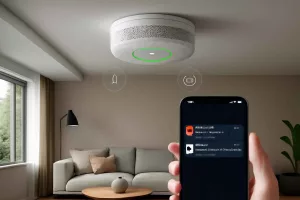
- Centralized Monitoring: Combine your leak detector with other safety sensors, such as smart smoke and carbon monoxide detectors. A unified app dashboard offers a single view of home safety metrics.
- Emergency Contacts: Configure your system to notify family members or a monitoring service if a leak is detected while you’re on vacation. Some apps allow multi-user alerts to ensure quick response time.
Conclusion
Installing the right smart water leak detector is a cost-effective strategy to safeguard your basement and valuable possessions. By evaluating connectivity, sensor type, and integration options, you can select a model that fits your needs and budget. Whether you opt for a standalone sensor or a full shutoff valve kit, early detection and instant alerts provide unmatched protection against hidden leaks. Choose one of our top Wi-Fi models, follow the installation tips, and rest easy knowing your home is secure from water damage.