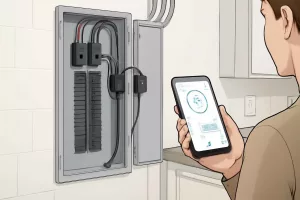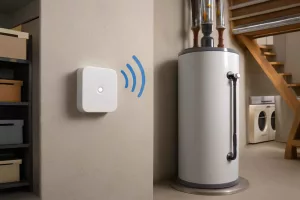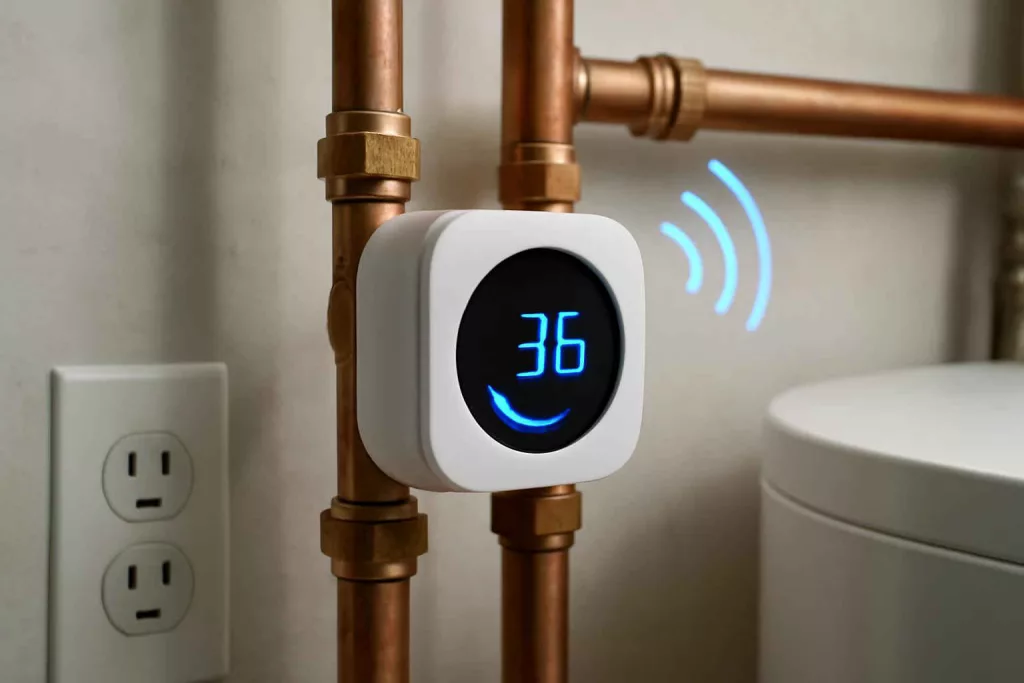
Monitoring water pressure in your home plumbing system has never been easier thanks to modern smart water pressure monitors. These devices provide real-time data, automated alerts, and remote access via Wi-Fi or Bluetooth, so you can detect anomalies before they turn into costly repairs. Whether you want to prevent pipe bursts, optimize water usage, or integrate with existing smart home platforms, a high-quality smart water pressure monitor is a must-have. You can explore top-rated options on Amazon smart water pressure monitor search results.
Why Monitor Water Pressure in Your Home Plumbing?
High or fluctuating water pressure can strain plumbing fixtures, cause leaks in joints, and lead to pipe deterioration over time. Low pressure may signal blockages or failing pumps, affecting daily routines such as showering and laundry. Installing a smart water pressure monitor gives you continuous insights into your system’s performance. Most models record pressure trends, alerting you if readings exceed safe thresholds or drop unexpectedly. This early warning helps avoid emergency plumbing calls and water damage costs.
Smart monitors also support preventive maintenance. By logging daily pressure cycles, you can identify gradual changes that suggest corrosion or mineral buildup. Armed with this data, you can schedule filter replacements or pipe cleanings proactively. For homeowners with irrigation systems, a smart pressure sensor coupled with a controller can ensure optimal garden watering—learn more in our Best Smart Garden Irrigation Controllers guide.
Key Features to Look for in a Smart Water Pressure Monitor
Accuracy and Range
Precision is critical when monitoring water pressure. Look for devices calibrated to measure in both PSI (pounds per square inch) and bar, covering typical residential ranges from 10 to 150 PSI. Higher-end sensors maintain accuracy within ±1 PSI, ensuring reliable alerts. If your plumbing system uses low-pressure fixtures, verify that the monitor handles readings below 20 PSI without sacrificing resolution.
Wi-Fi Connectivity and Alerts
Remote monitoring depends on stable network integration. Choose a monitor compatible with your home Wi-Fi standard (2.4 GHz or dual-band). Some models offer Bluetooth setup but require a hub or gateway for internet access. Real-time push notifications via a smartphone app or email help you respond immediately to pressure spikes. Advanced units support customizable alert thresholds, auto-escalating notifications if you don’t acknowledge the first warning.
Installation and Compatibility
Most smart pressure sensors screw onto standard ½” or ¾” threaded plumbing connections. Confirm thread size and orientation before purchasing. Some brands include adapters for different pipe materials—copper, PEX, or PVC. Battery-powered models simplify placement but require periodic cell changes, while hardwired options offer continuous power without maintenance. Check whether the monitor integrates with popular smart home platforms like Alexa, Google Assistant, or IFTTT for automated routines.
Top Smart Water Pressure Monitors: Reviews & Recommendations
WaterCop Smart Water Pressure Monitor
The WaterCop unit is a compact, battery-operated sensor that pairs with the company’s Wi-Fi gateway. Rated for PSI ranges from 5 to 150, it offers ±1.5 PSI accuracy. Installation on a ¾” outdoor standpipe or indoor manifold takes less than 10 minutes. Through the companion app, you can view real-time graphs and set multi-level alerts. It also integrates with major leak detectors—pair it with our Top Smart Water Leak Detectors for a comprehensive solution.
Korkiai Wireless Water Pressure Sensor
Korkiai’s sensor boasts a wide measurement range (0–300 PSI) and a high-resolution display for local readings. It communicates directly over 2.4 GHz Wi-Fi without extra hubs. Users can configure email and mobile notifications on thresholds between 15 and 120 PSI. The IP65-rated enclosure withstands damp basements and garages. For Amazon options, search water pressure sensor on Amazon.
Buoy Home Smart Pressure Monitor
Buoy Home offers a professional-grade pressure monitor that connects via Ethernet or Wi-Fi. It supports real-time API access, making it ideal for tech enthusiasts who want custom integrations or cloud logging. The system includes a ¾” inline sensor, mounting bracket, and 6-foot cable. While it requires a 5V power adapter, it delivers continuous operation without battery swaps. Buoy’s dashboard visualizes daily cycles, peak flow rates, and pump run times.
Aquanta 2.0 Smart Hot Water Monitor
Although primarily designed for hot water systems, the Aquanta 2.0 includes pressure monitoring as part of its feature set. It clamps onto existing hot water lines and pairs via Bluetooth for initial setup, then relies on Wi-Fi for remote alerts. Unique to Aquanta is its focus on energy efficiency—reducing standby heat loss by automatically adjusting water heater cycles based on usage patterns. Homeowners with tankless units will appreciate the pressure insights combined with temperature control.
Installation and Setup Guide for Smart Water Pressure Monitors
Before you begin, shut off your main water supply and relieve line pressure by opening a faucet at the lowest point in your home. Identify a ½” or ¾” fitting near the main shutoff or pressure regulator. Remove the existing fitting if necessary, applying plumber’s tape to the threads of the monitor or included adapter. Hand-tighten the sensor, then use an adjustable wrench to secure—avoid over-torquing to protect the sensor housing.
Turn the main water supply back on and check for leaks. If your model is battery-powered, install the cells according to polarity markings. For wired units, attach the power cable or Ethernet cable as instructed. Launch the manufacturer’s app, create an account, and follow in-app prompts to add a new device. During setup, assign a name (e.g., “Basement Pressure Sensor”) and set alert thresholds. Many apps allow test notifications—trigger one to confirm you receive alerts correctly.
Integrating with Smart Home Systems: Alexa, Google Assistant, and IFTTT
Integration unlocks voice controls, routines, and cross-device automation. For Alexa, enable the device’s skill in the Alexa app, link your account, and discover new devices. You might say, “Alexa, ask WaterCop for current pressure.” Google Assistant follows a similar workflow in the Google Home app—look for “Works with Google” branding on the device packaging.
If you use IFTTT, you can connect your pressure monitor to webhooks or other services. For example, create an applet that turns off a smart irrigation valve if pressure dips below a threshold, protecting your system from dry-run damage. Or send Slack or SMS alerts to family members when a spike could indicate a burst pipe. The flexibility of IFTTT ensures your smart water pressure monitor adapts to any workflow.
Maintenance Tips for Longevity and Reliability
Keep sensors free from sediment by installing inline filters or sediment traps upstream. Inspect the housing periodically for signs of corrosion or moisture ingress, especially in damp basements and garages. Replace batteries annually or when the device indicates low power. For hardwired units, confirm wiring remains secure and protected from rodents or sharp edges.
Periodically log into the app to review historical data. Look for gradual pressure drift, which may signal internal calibration loss—some manufacturers offer recalibration services or firmware updates to restore accuracy. Finally, maintain your plumbing system’s overall health: flush water heaters annually, check pressure regulators, and schedule professional inspections every 2–3 years.
Conclusion
A smart water pressure monitor is a proactive investment in your home’s plumbing resilience. By choosing an accurate, networked device, you gain continuous visibility into pressure trends and immediate alerts for anomalies. From DIY-friendly battery-powered models to professional-grade wired sensors, there’s a solution for every homeowner. Start by comparing top picks like WaterCop and Korkiai, then follow our installation guide for seamless setup. With proper maintenance and smart home integration, you’ll protect your pipes, save on repair costs, and ensure peace of mind year-round.