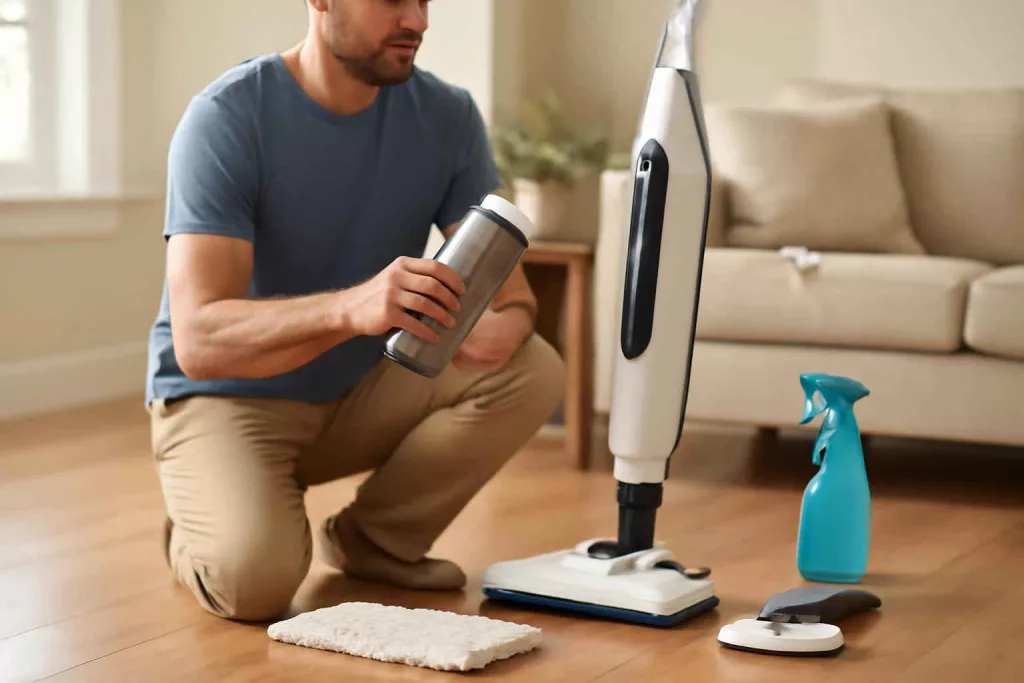
Regular cleaning and maintenance of your cordless steam mop are essential to keep it performing at its best. Whether you’re freshening up floors or tackling stubborn grime, following a consistent maintenance routine can extend its lifespan and ensure safe, efficient operation. For a comprehensive clean, consider investing in a dedicated cordless steam mop cleaning kit early on to have the right tools on hand.
Why Regular Maintenance Matters
Keeping your cordless steam mop in top condition is more than just a matter of hygiene—it directly impacts performance and safety. Mineral buildup inside the steam chamber can restrict water flow, reduce steam output, and strain the heating element. Over time, leftover debris on washable mop pads can redistribute dirt back onto floors, negating your cleaning efforts. Additionally, neglecting maintenance can lead to mold growth inside the water reservoir, creating unpleasant odors and potential health risks.
By performing routine care, you’ll enjoy the following benefits:
- Consistent steam pressure for superior cleaning power
- Extended battery life and reduced charging cycles
- Minimized risk of breakdowns or costly repairs
- Improved indoor air quality by preventing mold and mildew
For more advanced floor-care gear, you can explore our Best Cordless Steam Mops for Hardwood Floors guide to compare top models and accessories.
Gathering the Right Cleaning Supplies
Before you start, assemble all necessary supplies. Having everything within reach streamlines the process and prevents interruptions while cleaning. You will need:
- Distilled or demineralized water: prevents limescale buildup inside the steam chamber
- White vinegar or a commercial descaling solution: for removing mineral deposits
- Soft microfiber mop pads: gentle on floors and machine-washable
- Small nylon brush or toothbrush: for nozzle and seam cleaning
- Clean, lint-free cloths: for exterior wipe-down
- Protective gloves: to handle cleaning solutions safely
Using distilled water instead of tap water is a simple way to reduce scale buildup and maintain consistent steam output. If you need guidance on maintaining cordless tool batteries while using them for extended cleaning sessions, refer to our Power Tool Battery Maintenance tips.
Step-by-Step Cleaning Procedure
Follow these detailed steps every 2–4 weeks, depending on usage frequency. For heavy-duty household use, monthly maintenance is recommended; for occasional use, maintenance every two months suffices.
Emptying the Water Tank
1. Ensure the unit is turned off and completely cooled down. Never attempt maintenance when the steam mop is hot or charging.
2. Remove the water tank according to manufacturer instructions.
3. Pour out any remaining water. Shake the tank gently to dislodge loose debris.
4. Rinse the tank with distilled water, then empty again. Do not use harsh detergents inside the reservoir.
Cleaning the Mop Pads
1. Detach the mop pad from the mop head.
2. Shake out loose dirt and debris outdoors or over a trash bin.
3. Machine-wash with mild detergent on a gentle cycle. Avoid fabric softeners, which can reduce absorbency.
4. Air-dry completely before reattaching. Damp pads can harbor mold and mildew.
Descaling the Steam Chamber
1. Mix a 1:1 solution of white vinegar and distilled water.
2. Fill the water tank with the solution, then attach securely to the mop.
3. Power on the unit and allow it to heat until it begins to produce steam.
4. Steam into a sink or bucket for 2–3 minutes to circulate the solution through the heating element.
5. Turn off the unit, let it cool, then discard the vinegar mixture.
6. Rinse the tank thoroughly by steaming with distilled water until the vinegar smell is gone.
Exterior Wipe Down and Nozzle Cleaning
1. Use a damp, lint-free cloth to wipe down the mop’s handle, body, and joints.
2. Inspect the steam nozzle for blockages. Gently scrub with a nylon brush.
3. For stubborn deposits, apply a small amount of vinegar directly to the brush.
4. Wipe dry to prevent water spots and mineral streaks on the exterior.
Maintenance Tips for Battery Care
Proper maintenance of your steam mop’s rechargeable battery extends operating time and reduces the need for frequent replacements. Follow these guidelines:
- Avoid fully depleting the battery. Charge when it reaches around 20% capacity.
- Use the charger provided by the manufacturer. Aftermarket chargers can damage lithium-ion cells.
- Store the steam mop and charger in a cool, dry place to prevent heat-related battery degradation.
- If you won’t use the mop for over a month, charge the battery to 50% and disconnect the charger to maintain cell health.
- Check battery contacts periodically and clean with a dry cloth to ensure proper charging.
These practices mirror professional guidelines from our Power Tool Battery Maintenance article for prolonging battery life across cordless devices.
Troubleshooting Common Issues
If you experience reduced steam output, uneven cleaning, or error indicators on your unit, use this troubleshooting checklist:
- No steam or low pressure: Verify the water tank is full and seated correctly. Perform a descaling cycle if limescale buildup is suspected.
- Water leaks from the base: Inspect the tank seal for damage. Replace worn gaskets or o-rings as needed.
- Pad isn’t absorbing water: Ensure you’re using genuine or compatible microfiber pads. Machine-wash without fabric softener.
- Steam mop fails to power on: Confirm the battery is charged. Test the charger output and check battery contacts for debris.
- Unusual odors: Descale the system and clean or replace the mop pad. Store the unit fully dried.
For general vacuum and floor-care appliance maintenance, see our guide on How to Properly Clean and Maintain Your Shop Vacuum for additional tips on extending equipment lifespan.
Storage Best Practices
Proper storage protects internal components and prevents accidental damage. Apply these best practices:
- Always empty and dry the water tank after each cleaning session.
- Keep mop pads in a sealed bag or container to prevent dust accumulation.
- Store the mop upright on a stable surface, avoiding leaning on the steam head.
- Disconnect the battery if the unit will be unused for longer than two weeks.
- Cover the unit with a breathable dust cover in garages or workshops.
Following these steps ensures your steam mop is ready for immediate use when you need it, minimizing preparation time.
Conclusion
Investing a little time in regular cleaning and maintenance can significantly extend the life and efficiency of your cordless steam mop. From descaling the steam chamber to caring for the battery and mop pads, each step plays a crucial role in keeping your floors spotless and your equipment running smoothly. For replacement pads, cleaning agents, or accessory kits, browse a variety of options for your specific model on Amazon at cordless steam mop accessories. With proper care, your steam mop will continue delivering powerful steam cleaning for years to come.