Yes, you can safely winterize your lawn mower in just a few hours by following key maintenance steps to protect vital components and ensure smooth starts in spring. Proper winter lawn mower storage prevents engine damage, keeps blades sharp, and extends the life of your equipment. Consider adding a fuel stabilizer to your tank to prevent ethanol separation, and use a battery tender to keep your mower’s battery healthy over the cold months.
Step-by-Step Guide to Winterizing Your Lawn Mower
Step 1: Thorough Cleaning
First, remove debris, grass clippings, and dirt from the mower deck and blades. Use a stiff brush and a garden hose to wash away buildup. A clean mower prevents moisture traps that lead to rust and corrosion. Wear gloves to protect hands from sharp edges. Pay special attention to the cooling fins on the engine, as clogged fins can cause overheating and damage.
Step 2: Change the Oil
Drain the old oil after running the engine for five minutes so the oil is warm and flows easily. Replace with fresh, manufacturer-recommended oil. Warm oil carries contaminants out together, ensuring metallic particles are removed. Check your owner’s manual for the correct oil grade and capacity. Proper oil keeps internal engine parts lubricated and prevents moisture-related wear.
Step 3: Stabilize the Fuel System
Running your mower until the tank is nearly empty prevents stale fuel buildup. Add a recommended fuel stabilizer according to product instructions, then run the engine for about five minutes to circulate treated fuel through carburetor passages. This step stops varnish-like deposits that can block jets and valves. A clogged carburetor often leads to spring startup issues.
Step 4: Remove or Maintain the Battery
If you have a push mower, skip to Step 5. For battery-powered or electric-start models, disconnect the battery and store it indoors in a cool, dry place. Attach a battery tender to prevent sulfation and maintain optimal charge. Reinstall the battery in spring when it reads 12.6 volts or higher for reliable starts.
Step 5: Sharpen and Balance Blades
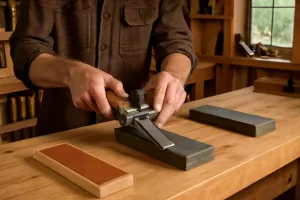
Remove blades and inspect for nicks or bends. Use a bench grinder or a sharpening jig to restore a clean edge, then balance the blade using a blade balancer. A balanced blade reduces vibration and extends the life of bearings. If blades are beyond repair, consider ordering replacements from your mower’s manufacturer.
Step 6: Lubricate Moving Parts
Apply a light spray of multipurpose grease to wheel bearings, pivot points, and control linkages. Moving parts free of rust and debris operate smoothly, preventing wear. Lubrication also helps seals on the mower deck stay flexible and water-resistant.
Step 7: Protect the Mower Deck and Engine
Spray a rust inhibitor on metal surfaces, including the deck, frame, and engine housing. Wipe down with a clean cloth. Use a protective cover or tarp when storing outdoors or in an unheated garage. This extra barrier stops moisture and dust from reaching sensitive parts.
Step 8: Store in a Dry, Sheltered Location
Position the mower on a level surface inside a garage or shed. If floor space is limited, use heavy-duty shelving or a garage wall hoist to lift the mower off the ground. A dry environment prevents moisture buildup and rodent nesting. Avoid direct contact with concrete floors by placing wood blocks under wheels.
Practical Example: Winterizing a Walk-Behind Mower
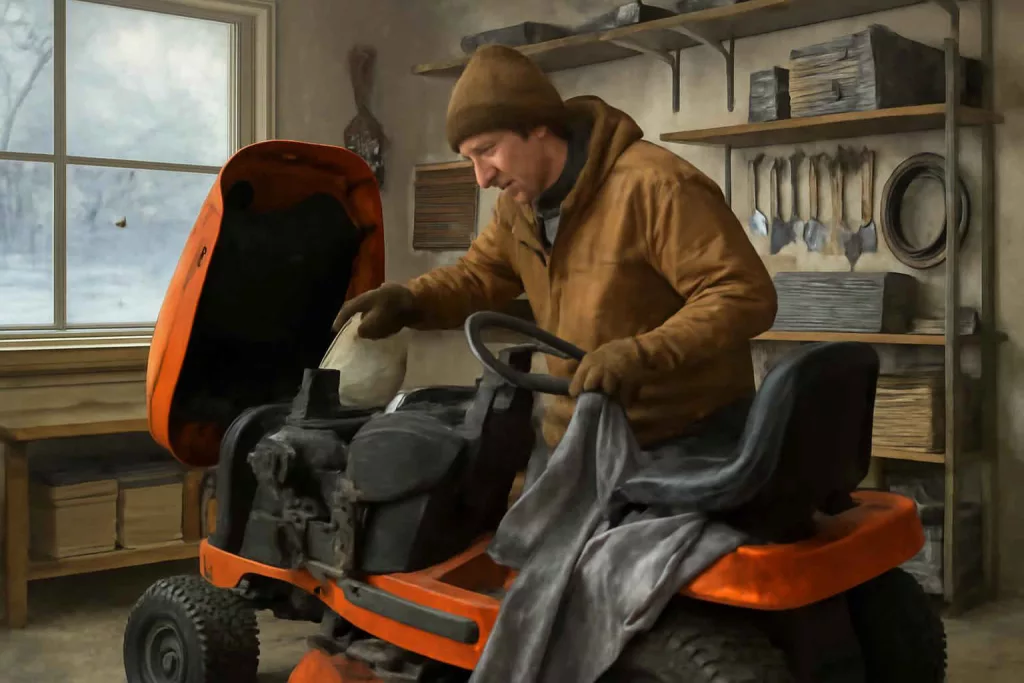
Consider Tom, a weekend gardener in Ohio. In early November, he started by cleaning his walk-behind mower with a hose and stiff-bristled brush, removing clumps of wet grass stuck under the deck. He drained the oil—warm after a five-minute run—and topped up with SAE 30 oil recommended in his manual. He added fuel stabilizer to a half-full tank, ran the engine until he saw a steady blue spark in the exhaust, and then turned it off. For his battery, he disconnected the two terminals, wrapped the battery in a plastic bag, and connected a battery tender inside his heated workshop. Next, Tom removed the mower blade, sharpened it with a grinder, and checked balance on a simple blade balancer he built from a bolt and two nuts. He lubricated wheel bearings using a grease gun and applied a light rust inhibitor spray to the deck and handlebars. Finally, he stored the mower on a wooden block shelf to keep it off the cold concrete floor, covering it with a breathable mower cover. Come spring, Tom’s mower started on the first pull, with no rust or carburetor issues—proof that a thorough winterization pays off.
Common Mistakes to Avoid
- Skipping Fuel Stabilizer: Forgetting to add stabilizer leads to varnish buildup that clogs the carburetor and fuel lines.
- Running on Empty: Completely draining the fuel tank without stabilizer can allow moisture to condense and cause corrosion.
- Neglecting Oil Change: Old oil contains acids and moisture that damage engine components during storage.
- Storing with Battery Connected: A connected battery can self-discharge and sulfate, reducing its lifespan.
- Leaving Grass Clippings Under Deck: Damp clippings trap moisture, accelerating rust under the deck.
- Over-Tightening Blades: Excess torque can strip threads or warp blade mounting surfaces.
- Storing on Concrete Floor: Concrete wicks moisture, promoting rust on wheels and underside.
- Ignoring Manufacturer Guidelines: Using incorrect oil grade or fuel stabilizer quantity voids warranties.
- Skipping Lubrication: Dry pivot points and bearings seize up or wear prematurely.
- Using Non-Breathable Covers: Plastic tarps trap condensation; use a breathable cover to allow moisture escape.
Tips to Improve Your Winterization Process
Label and bag small parts—like blade bolts and grease fittings—in clear plastic bags to keep them together and easy to find in spring. Keep a maintenance log with dates and products used for each winterization cycle; this record helps you adjust intervals based on performance. For battery maintenance, invest in a smart charger with temperature compensation to avoid overcharging in a cold workshop. Consider installing a garage wall hoist to lift the mower off the floor, saving space and preventing rodent nesting under the deck. When cleaning, use a deck scraper tool to remove compacted debris rather than just a hose, ensuring no residue remains. Finally, check partially sun-dried moisture under the seat or handle areas, where small puddles can form unnoticed. Implementing these refinements creates a foolproof winterization routine that maximizes mower lifespan.
Conclusion
Winterizing your lawn mower is an essential seasonal task that protects your investment and streamlines your spring startup. By following these detailed steps—cleaning, oil changes, fuel stabilization, battery care, blade maintenance, lubrication, and proper storage—you’ll avoid common pitfalls and enjoy a mower that runs flawlessly after winter. Gather your tools, set aside a couple of hours this fall, and give your mower the care it deserves. For more garden equipment maintenance tips, check out our guide on cordless electric pruners and our picks for garden hose reels.