Proper power tool battery maintenance is crucial for every DIY enthusiast and professional homeowner who relies on cordless tools. Ensuring peak performance and longevity of lithium-ion batteries not only saves money, but also keeps your projects on schedule. Investing in a reliable smart charger can help protect your batteries from overcharging. Consider browsing for a high-quality charger here to get started.
In this comprehensive guide, we’ll cover everything you need to know about power tool battery maintenance, from selecting the right batteries and chargers to storing, charging, and caring for your cells. Whether you’re working on a simple home repair or tackling a full-scale renovation, these strategies will help you extend lithium-ion battery life and maximize the efficiency of your cordless tool collection.
Understanding Lithium-Ion Batteries
Lithium-ion batteries power a vast array of cordless power tools, from impact wrenches to drills and saws. Their high energy density, lightweight design, and ability to deliver consistent power make them ideal for home workshops. However, they are also sensitive to improper handling, extreme temperatures, and suboptimal charging practices.
Basic Battery Chemistry
At the core of every lithium-ion battery lies a chemical reaction between lithium ions and the anode and cathode materials. During discharge, lithium ions move through the electrolyte from the anode to the cathode, releasing energy. During charging, the process reverses. Over time, repeated cycling and exposure to heat degrade the electrodes, reducing capacity and power output.
Common Degradation Factors
Several key factors accelerate battery wear, including deep discharge cycles, high current draws, and storage in extreme temperatures. For example, running a battery to zero on heavy-duty tools repeatedly can strain the cells. Similarly, exposing batteries to temperatures above 100°F or below 32°F can lead to permanent capacity loss. Understanding these factors is the first step toward effective battery maintenance.
Selecting the Right Batteries and Chargers
Not all lithium-ion batteries and chargers are created equal. Choosing quality components can greatly impact battery lifespan and tool performance.
Battery Brand and Specifications
Start by selecting batteries from reputable manufacturers. Premium brands often use more durable electrode materials and rigorous quality control. Pay attention to specifications such as amp-hour (Ah) rating—higher Ah values deliver longer runtime but may take longer to recharge. A balance between capacity and charging speed is ideal for most home tool applications.
Smart Chargers vs. Basic Chargers
Smart chargers monitor voltage, current, and temperature throughout the charging process. They automatically adjust current to prevent overheating and switch to maintenance or trickle modes once fully charged. Basic chargers, by contrast, continue to force current into the battery, risking overcharge. Upgrading to a smart charger can significantly reduce battery degradation, especially if you frequently rotate and store multiple packs.
Best Practices for Charging Batteries
Charging habits directly impact cell health. Follow these key practices to maintain battery capacity and performance.
Avoid Full Discharge
Deep discharge cycling—running a battery down to 0%—stresses lithium-ion cells. Instead, aim to recharge when the battery level drops to about 20–30%. Most modern battery indicators provide accurate readings to help you plan charging intervals. By preventing full discharge, you reduce stress on the electrodes and slow capacity fade.
Charge at Moderate Temperatures
Optimal charging temperatures range from 50°F to 77°F. Charging at high temperatures accelerates electrolyte breakdown, while cold temperatures can cause lithium plating and internal resistance build-up. If your workshop environment falls outside this range, consider moving battery packs to a more temperature-controlled area before charging.
Use the Correct Charging Current
Smart chargers typically default to the safest current for each battery, but if your charger allows manual current selection, choose a rate between 0.5C and 1C (C being the battery’s capacity). For instance, a 2.0 Ah battery charging at 1C would receive 2 A. Faster charging currents may save time but generate more heat, reducing long-term cell health.
Storage Tips for Cordless Tool Batteries
Proper storage is as important as correct charging. When you’re not using your batteries, follow these guidelines to preserve capacity.
Store at Partial Charge
Lithium-ion batteries have longer shelf lives when stored at around 40–60% state of charge. This level minimizes stress on the electrodes and reduces the risk of over-discharge if self-discharge occurs. Before putting away your batteries for extended periods, charge or discharge them to this optimal range.
Maintain a Stable Environment
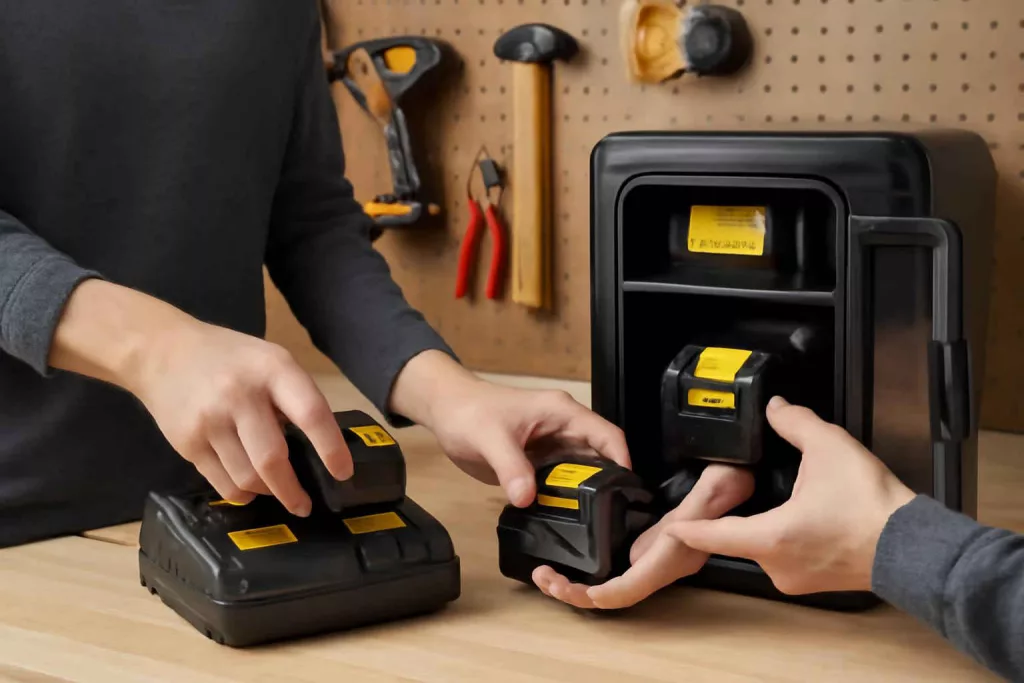
A cool, dry place is ideal for battery storage. Avoid direct sunlight, damp basements, and unheated garages, where temperature swings and humidity can degrade battery seals. Consider using a dedicated storage bin or drawer labeled with battery types and charge levels to stay organized, similar to your cordless impact wrenches collection.
Periodic Voltage Checks
If you store batteries for months at a time, check their voltage every 3–6 months. If the charge level falls below 20%, recharge to the 40–60% range. Neglecting stored batteries can lead to deep discharge, causing permanent capacity loss or rendering cells unable to recharge.
Usage Tips to Maximize Battery Life
How you use your cordless tools influences battery longevity. Implement these techniques during every project.
Avoid High-Current Overloads
Using cordless tools on demanding tasks—such as drilling large holes in hardwood—causes high current draw, leading to rapid heat generation. Heat accelerates cell degradation. When possible, slow down feed rates, use sharp bits, and allow the tool to work without forcing. Alternating between multiple battery packs during intensive jobs can also distribute heat and reduce wear on a single pack.
Let Batteries Cool Down
After heavy use, batteries can become hot. Removing them from the tool and allowing them to cool to room temperature before recharging helps maintain cell integrity. Many modern tools feature battery management systems that prevent charging a hot battery, but proactively cooling packs ensures faster, safer recharge cycles.
Regular Use vs. Infrequent Use
Frequent cycling maintains battery health better than infrequent, irregular use. If you’re not using a tool for weeks, it’s still beneficial to run the battery down to approximately 20% and recharge it occasionally. This exercise helps keep the chemical balance inside the cells and prevents capacity loss associated with prolonged idle periods.
Maintenance Practices for Battery Packs
Beyond charging and storage, hands-on maintenance can extend battery life and ensure safe operation.
Clean Battery Contacts
Dust, debris, and corrosion on battery contacts increase electrical resistance and heat. Periodically inspect contact points on both the battery and tool and clean them with a soft, dry cloth or a cotton swab dipped in isopropyl alcohol. Ensure contacts are fully dry before reinstalling the battery.
Inspect for Physical Damage
Cracked casings, swollen cells, or punctures indicate a failing pack and potential safety hazard. If you notice any damage, retire the battery immediately. Do not attempt to open or repair lithium-ion cells—dispose of defective packs at a designated battery recycling facility.
Firmware and Tool Calibration
Some advanced power tools offer firmware updates that improve battery management, charging efficiency, and safety features. Check the manufacturer’s website or tool app regularly. Additionally, calibrate tools if your model supports it, ensuring accurate battery level readings and optimal performance.
When and How to Replace Batteries
No battery lasts forever. Recognizing the signs of a worn-out pack helps you decide when to invest in replacements.
Identifying Declining Performance
As lithium-ion cells age, you may notice reduced runtime, slower tool speeds, or frequent overheat warnings. If a battery no longer holds more than 60–70% of its original capacity after multiple charge cycles, it’s time to replace it. Continuing to force aging batteries into demanding jobs can damage both the pack and the tool.
Recycling and Disposal
Always recycle old lithium-ion batteries at authorized drop-off points. Many home improvement stores and hazardous waste facilities accept spent packs. Proper disposal prevents environmental contamination and reduces fire risks associated with damaged cells.
Conclusion
Mastering power tool battery maintenance ensures your cordless tools deliver reliable performance and extended service life. By understanding battery chemistry, adopting smart charging habits, storing packs under optimal conditions, and performing routine maintenance, you’ll maximize your investment and keep projects on track. For more workshop organization tips, check out our guide on garage dust collection system. And if you need storage solutions for multiple battery packs, explore our recommendations for cordless impact wrenches accessories. Ready to upgrade your charging setup? Browse smart chargers here.