To descale your coffee maker, fill the reservoir with a descaling solution or equal parts white vinegar and water, run a brew cycle, then rinse thoroughly with fresh water. Regular descaling removes mineral buildup, restores optimal performance, and ensures better-tasting coffee. In this guide, you’ll find a clear, actionable process, practical examples, common pitfalls, and expert tips to keep your machine running smoothly for years to come.
Step-by-Step Guide to Descale Your Coffee Maker
This step-by-step section walks you through each critical action. Following these clear instructions will make the process quick and effective.
1. Gather Your Supplies
Before you start, put together everything you need: a coffee descaling solution or white vinegar, water, a clean cloth, and a filter. If you prefer a commercial product, check out this coffee descaling solution for consistent results. Using a quality descaler helps dissolve calcium deposits faster than vinegar alone, but vinegar remains an economical alternative.
2. Empty and Rinse the Machine
Remove any old coffee grounds and filters. Empty the carafe and rinse it under warm water. Wipe down the brew basket and the machine’s exterior with a damp cloth. This basic cleaning—similar to the way you might deep clean your front-load washing machine—prevents loose debris from mixing with your descaling solution.
3. Prepare the Descaling Mixture
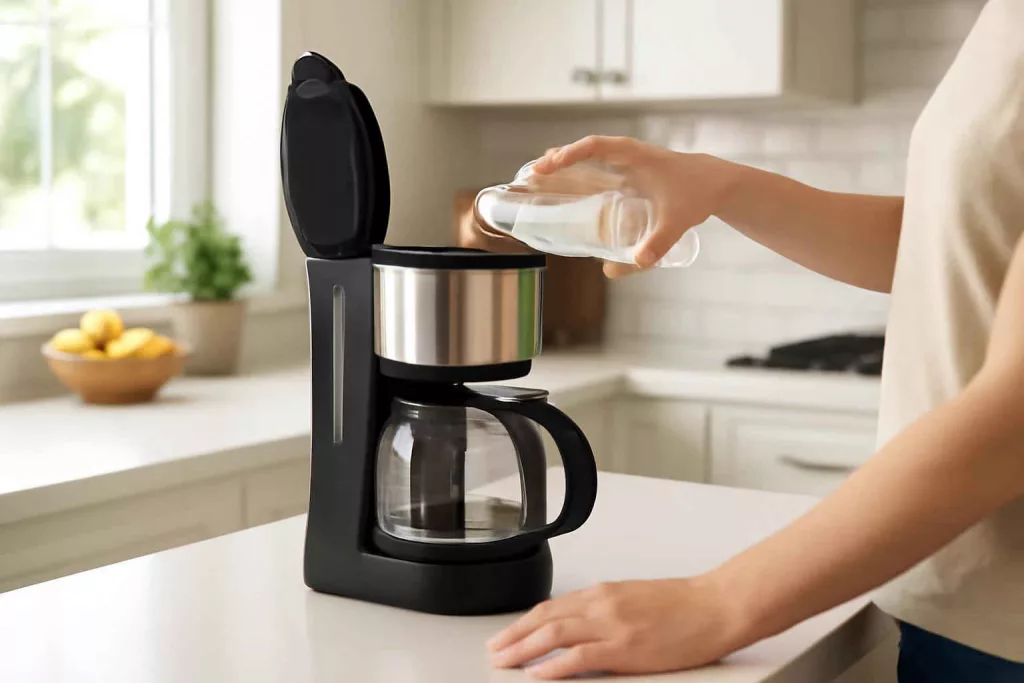
If you’re using vinegar, mix equal parts white vinegar and cold water in the reservoir. For heavy buildup, increase the vinegar ratio to 2:1. If you opt for a commercial descaling solution, follow the manufacturer’s instructions exactly. Over-concentrating can damage internal seals, while under-concentrating may leave scale behind.
4. Run a Brew Cycle Without Coffee
Turn on the machine and start a regular brew cycle. Let the solution flow through the heater and internal tubing, which removes limescale that forms over time. Pause halfway through and let it sit for 15–20 minutes—this soak time loosens hardened mineral deposits for more thorough removal.
5. Discard the Descaling Solution
Once the cycle finishes, pour out the contents of the carafe. Drain the reservoir completely. Avoid pouring vinegar solution into sinks with sensitive plumbing; dilute with extra water first if necessary. Treat used descaler solution like any cleaning chemical: do not ingest or reuse.
6. Rinse with Fresh Water
Fill the reservoir with clean water and run at least two full brew cycles without coffee. This step flushes out any residual taste or smell of vinegar or descaler. Check a small cup between cycles—if you still detect a tangy odor, run an extra rinse cycle.
7. Final Wipe-Down and Test Brew
Empty any remaining water, wipe the brew basket, and return a clean filter. Brew a pot of plain water and taste-test. When the water tastes neutral, your machine is ready for coffee again. If you notice any residue, repeat the rinse process until the water is clear.
Practical Example: Descaling a Drip Coffee Maker in a Busy Kitchen
Imagine you rely on your drip coffee maker every morning. After six months of daily use, you notice slower brewing and off-flavors. Here’s a real-world scenario:
Sarah, a mother of two in Ohio, starts her day at 6:00 a.m. She mixes equal parts vinegar and water, then follows the step-by-step process above. Halfway through, she leaves the machine on pause while packing lunches. By the time she returns, scale loosens easily and washes away in the rinse cycles. Her machine now brews in under five minutes, and her coffee tastes crisp again.
Key takeaways from Sarah’s experience:
- Timing the soak during a busy routine saves time.
- Using vinegar cuts costs compared to specialized solutions.
- Consistent scheduling—every 3–6 months—prevents serious buildup.
Common Mistakes to Avoid
Even experienced users can slip up. Here are common errors that reduce effectiveness or damage your machine:
- Skipping the initial rinse: Loose coffee grounds can block water flow and limit descaling action.
- Using too strong a solution: Overly acidic mixtures can corrode internal seals and metal parts.
- Rushing the rinse cycles: Residual vinegar or chemicals can alter coffee flavor and odor.
- Ignoring manufacturer guidelines: Each machine model has specific recommendations—deviating may void warranties.
- Pouring solution into sensitive drains: Vinegar can harm older plumbing; always dilute or dispose responsibly.
Tips to Improve Your Descaling Routine
Want to optimize performance and extend your coffee maker’s life? Try these proven strategies:
- Use filtered water: Starting with lower mineral content slows scale build-up from day one. Consider installing an under-sink filter or use bottled water when brewing.
- Schedule descaling: Set calendar reminders every 3 months if you brew daily, or every 6 months for lighter use. Consistency ensures flavor stays fresh.
- Invest in a quality descaling kit: Commercial kits often contain corrosion inhibitors and flavor-neutralizing agents. Browse Amazon for reliable brands: coffee descaler kit.
- Monitor brew time: Slow drips often signal limescale. Check for clogs and descale sooner if brewing exceeds normal intervals.
- Clean removable parts weekly: Take out the carafe, filter basket, and lid for a quick wash with warm, soapy water. Rinse and air-dry fully to prevent mildew.
- Consult your manual: Some machines feature automatic descaling alerts or dedicated cleaning cycles. Follow those prompts for the safest results.
Conclusion
Descaling your coffee maker is a simple yet essential maintenance task that keeps your morning brew tasting its best and extends your machine’s lifespan. Remember to gather proper supplies, follow each step—including soak and multiple rinses—and schedule regular maintenance every few months. With these practices in place, you’ll enjoy consistent coffee flavor and reliable performance year-round.
Next time you notice slower brewing or muted taste, refer back to this guide and refresh your coffee maker. For more home appliance care tips, check out our article on troubleshooting your vacuum cleaner to keep every device in top shape.