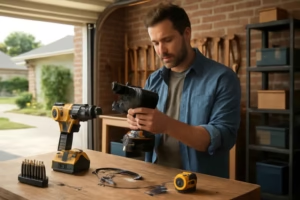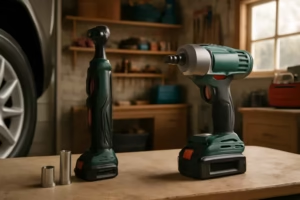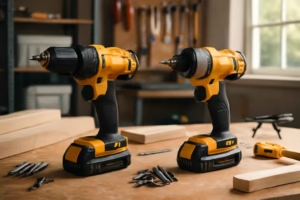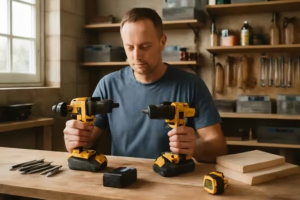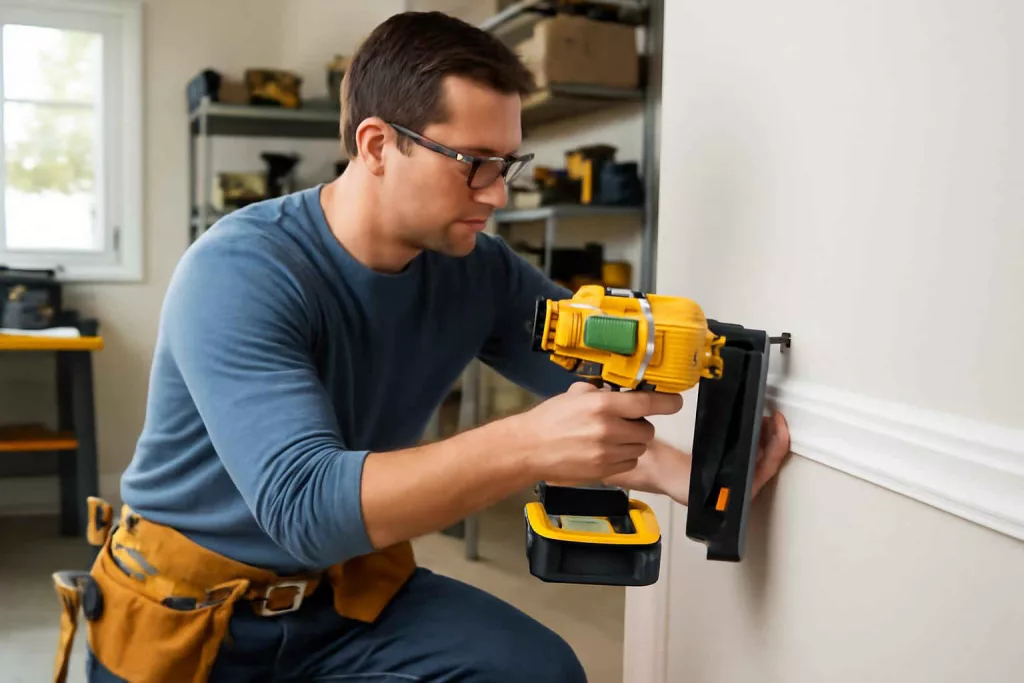
When tackling detailed trim and molding installations, a high-quality cordless brad nailer can transform a tedious job into a quick, precise process. Unlike pneumatic models, these battery-powered finish nailers offer freedom of movement and eliminate hoses and compressors, making them ideal for both seasoned DIYers and first-time renovators. In this guide, we’ll dive deep into the world of battery-powered brad nailers, from feature breakdowns to hands-on usage tips and top product recommendations for flawless baseboards, crown molding, and trim work.
We’ve also included internal references to other essential tools, like cordless oscillating multi-tools for detail sanding and flush cutting, and recommended workshop vacuums for quick debris cleanup. By the end, you’ll be equipped to choose the best cordless brad nailer that fits your budget, power needs, and project scope.
Why Choose a Cordless Brad Nailer for Home Trim Work?
Traditional pneumatic nailers require an air compressor, hoses, and additional fittings, which can clutter your workspace and limit maneuverability—especially in tight corners and elevated positions. In contrast, cordless brad nailers pack convenience and portability into a compact package. Here are the main advantages:
Portability and Ease of Use
Without cords or hoses, you can work freely around staircases, ceilings, and furniture without adjusting hoses or managing tangled lines. Battery-powered brad nailers typically weigh between 3 and 5 pounds, reducing user fatigue during extended use.
Quick Setup and Mobility
Skip the compressor warm-up time and extra connections. Simply charge the battery, load the 18- or 20-gauge brad nails, and start nailing. This plug-and-play nature makes these tools perfect for quick repairs or remote job sites where power sources may be limited.
Reduced Downtime and Maintenance
Without pneumatic fittings or oiling requirements, maintenance is minimal. Just keep the magazine clear of debris, periodically check for jammed nails, and charge batteries to maintain peak performance.
Key Features to Look for in a Battery-Powered Brad Nailer
Selecting the right cordless finish nailer involves evaluating power delivery, ergonomics, magazine capacity, and additional safety features. Below are the critical specifications to consider before investing.
Battery Type and Voltage
Most cordless brad nailers use lithium-ion battery packs in the 18V to 20V range. Higher voltage often equals more power and deeper nail penetration, but also more weight. If you already own tools from a brand’s ecosystem, staying within the same battery platform saves money and increases convenience.
Magazine Capacity and Nail Size
Standard brad nailers accept 18-gauge nails from 5/8-inch to 2-inch lengths. A larger magazine capacity (ranging from 100 to 160 nails) means fewer reloads when installing long runs of baseboards or crown molding. Look for quick-release magazines for jam-clearing and speedy reloading.
Depth Adjustment and Dry Fire Lockout
Precision is essential in finish work. Adjustable depth controls allow you to set the finish nail flush or slightly countersunk, depending on the material. Dry fire lockout prevents the tool from firing when the magazine is empty, protecting your work surface from accidental dings.
No-Mar Tips and Comfort Grip
Soft no-mar pads on the nosepiece protect delicate moldings from scratches. Rubberized or overmold grips enhance comfort, reduce hand fatigue, and improve accuracy in tight angles.
Maintenance and Accessories
Check if the manufacturer includes extra no-mar pads, tool-free jam clearing, and onboard storage for hex wrenches. For workshop cleanup, pair your nailer with a reliable shop vacuum like the models featured in our best corded wet/dry vacuums guide.
Top 5 Cordless Brad Nailers for Home Trim Work
After extensive testing and expert reviews, here are our top picks for battery-powered brad nailers that excel in home trim installations. Each model combines power, precision, and portability to meet various budgets and project scales.
1. DEWALT 20V MAX XR Brad Nailer (DCN680B)
The DEWALT DCN680B is a favorite among professionals for its brushless motor technology, which delivers up to 3,250 nails per charge (with a 5.0Ah battery). The tool-free depth adjustment and interchangeable belts/-hooks make it versatile on ladders and scaffolding. Weighing just 4.7 pounds, it balances power with maneuverability. The no-mar tip and dry fire lockout enhance precision and protect your work.
- Battery Platform: DEWALT 20V MAX
- Magazine: 100 nails, 5/8″–2″ Brad Nails
- Runtime: Up to 3,250 nails with a 5.0Ah battery
- Weight: 4.7 lbs
- Key Feature: Brushless motor for extended runtime
2. Milwaukee M18 Fuel Brad Nailer (2746-20)
Milwaukee’s M18 Fuel Brad Nailer stands out with its REDLINK PLUS electronics protecting against overloads and overheating. The brushless motor drives 2-inch brads into hardwoods effortlessly, while the tool-free jam clearing ensures minimal downtime. At 4.6 pounds and with compatibility across Milwaukee’s M18 battery lineup, this nailer is a solid choice for demanding home renovation tasks.
- Battery Platform: Milwaukee M18
- Magazine: 120 nails, 5/8″–2″ Brad Nails
- Runtime: Up to 3,500 nails with a 4.0Ah battery
- Weight: 4.6 lbs
- Key Feature: REDLINK PLUS overload protection
3. Ryobi 18V ONE+ Brad Nailer (P320)
For homeowners on a budget, the Ryobi P320 offers exceptional value. It features an adjustable exhaust port, fastener indicator, and selectable trigger modes for bump or sequential firing. While it doesn’t match pro-grade units in runtime, its compatibility with the expansive Ryobi ONE+ battery system and a 100-bail capacity make it ideal for DIYers tackling weekend projects.
- Battery Platform: Ryobi ONE+ 18V
- Magazine: 100 nails, 5/8″–2″ Brad Nails
- Runtime: Approximately 2,500 nails with a 4.0Ah battery
- Weight: 4.8 lbs
- Key Feature: Dual firing modes for versatility
4. Makita 18V LXT Brad Nailer (XNB02Z)
Makita’s XNB02Z model excels in balance and ergonomics, weighing just 4.5 pounds. The brushless motor and large-capacity battery track handle up to 3,000 nails per charge. A built-in LED work light illuminates dark corners, while the large depth adjustment knob allows quick changes on the fly. Ideal for homeowners who already own Makita’s LXT tools.
- Battery Platform: Makita LXT 18V
- Magazine: 120 nails, 7/8″–2″ Brad Nails
- Runtime: Up to 3,000 nails with a 5.0Ah battery
- Weight: 4.5 lbs
- Key Feature: Integrated LED light for precision
5. Bosch 18V Finish Nailer (GFP18V-34N)
Bosch’s GFP18V-34N stands out for its innovative rear exhaust that directs fumes away from your face. The brushless motor ensures efficient energy use, driving up to 2,500 nails on a single charge. Its narrow nosepiece allows precise placement even in tight trim installations, and the magazine holds up to 100 brads.
- Battery Platform: Bosch 18V
- Magazine: 100 nails, 5/8″–1-3/4″ Brad Nails
- Runtime: Approximately 2,500 nails with a 4.0Ah battery
- Weight: 4.3 lbs
- Key Feature: Rear exhaust for user comfort
How to Use a Cordless Brad Nailer Safely
Working with nailers requires attention to safety protocols to prevent accidents. Follow these guidelines each time you power on:
Wear Appropriate Personal Protective Equipment
Always use safety glasses to shield against flying debris and ear protection if you’re working in enclosed spaces. Gloves can improve grip but ensure they don’t impede trigger control.
Check Your Work Surface and Placement
Inspect wood for knots or imperfections before nailing. Position the nailer’s nose flush against the surface and double-check alignment to avoid angled firing that can cause ricochets.
Use Sequential Firing for Precision
While bump fire increases speed, sequential mode (press nose against surface then pull trigger) offers greater control for detailed trim work. Most models let you switch modes easily.
Maintain a Safe Distance
Keep hands clear of the firing area and never point the tool at yourself or others, even if unloaded. Store batteries separately when not in use to prevent accidental activation.
Maintenance Tips for Longevity
Proper upkeep extends the life of your cordless finish nailer and ensures reliable performance over many projects.
Regularly Clean the Magazine and Nozzle
Dust, debris, and residual oils can accumulate in the magazine track and nosepiece. Use compressed air or a soft brush to clear obstructions after each job.
Inspect and Replace No-Mar Pads
The no-mar tip pads prevent tool marring on delicate trim surfaces. Replace worn pads as needed to maintain scratch-free finishes.
Charge and Store Batteries Properly
Avoid leaving batteries on the charger after they show full charge. Store them in a cool, dry place and cycle them periodically if left idle for extended periods.
Follow Manufacturer’s Service Schedule
Refer to your tool’s manual for recommended lubrication intervals and part replacements. Some manufacturers offer service centers if deeper repairs are required.
Conclusion
Investing in one of the best cordless brad nailers can streamline your home trim projects, offering precision, portability, and professional-quality results. From pro-grade brushless motors in the DEWALT and Milwaukee models to budget-friendly versatility in Ryobi’s P320, there’s a battery-powered finish nailer suited for every homeowner’s needs. Pair your nailer with compatible batteries from your existing tool lineup and integrate it into your workshop alongside other essential gear like workshop vacuums and cordless oscillating multi-tools. Ready to nail? Check out our detailed model reviews and click on the Amazon links to secure your next cordless brad nailer and elevate your trim work efficiency today.
Shop the best battery-powered brad nailer models and finish your next trim project with confidence.