Ensuring your home is protected from fire and carbon monoxide hazards has never been more crucial. Traditional smoke and CO alarms provide basic alerts, but smart detectors take safety to the next level with instant mobile notifications, voice alerts, and seamless integration into your smart home ecosystem. In this guide, we’ll cover everything you need to know about choosing, installing, and maintaining the best smart smoke and carbon monoxide detectors for your American home. Plus, you can start exploring options now with smart smoke and carbon monoxide detectors on Amazon.
Why You Need Smart Smoke and Carbon Monoxide Detectors
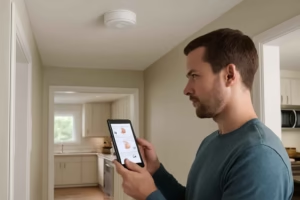
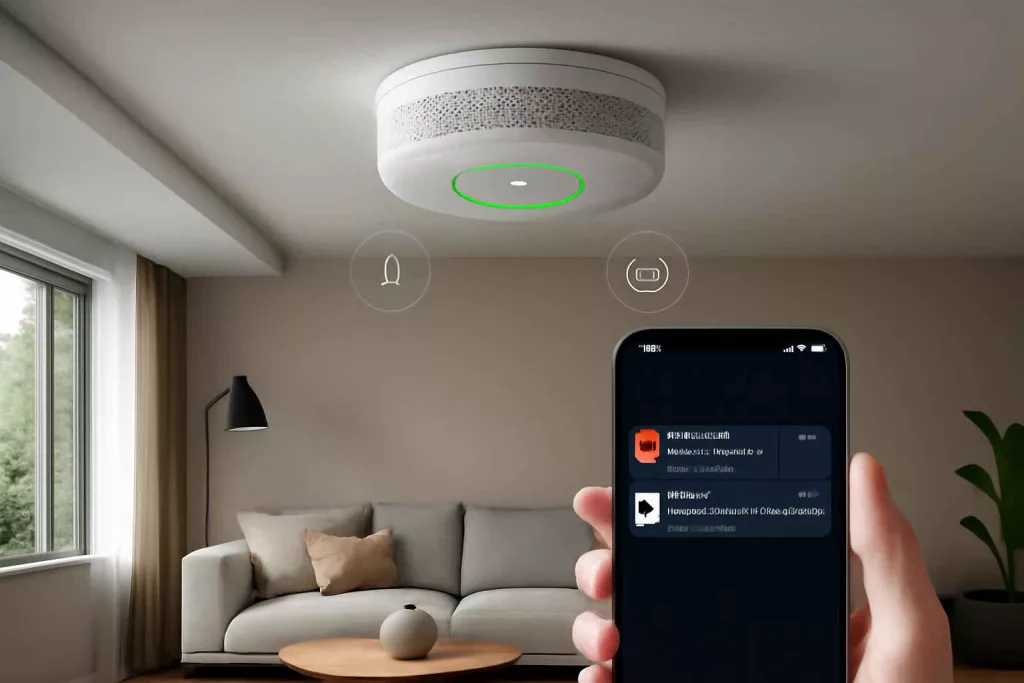
Traditional alarms rely on loud sirens to alert occupants, but if you’re away or asleep, you might miss critical warnings. Smart smoke and carbon monoxide detectors offer proactive features that enhance home safety and peace of mind. With instant push notifications sent directly to your smartphone, you’ll be alerted to potential dangers no matter where you are. These devices often include built-in battery backup, ensuring they remain operational during power outages—an essential feature missing from many standard alarms.
Multiple studies highlight that early detection and rapid communication can significantly reduce response times during emergencies. A smart detector’s ability to send notifications, call emergency contacts, or trigger other smart devices like lights or security cameras can be lifesaving. Additionally, many smart detectors self-test regularly and provide status reports via their companion apps, so you’ll know when to replace batteries or update firmware.
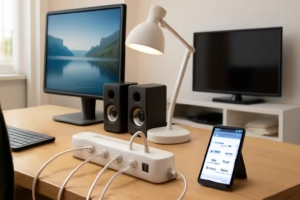
Investing in smart smoke and CO alarms also aligns with modern home automation trends. By integrating your detectors with smart plugs or thermostats, you can build comprehensive routines—such as switching on all lights when smoke is detected or shutting down HVAC systems during a CO alert to prevent circulation of hazardous gas. To expand your smart home safety network, check out our guide on smart plugs with energy monitoring and see how seamless integration improves daily living.
How Smart Smoke and CO Detectors Work
Smart smoke detectors typically use either photoelectric or ionization sensors, or a combination of both, to detect different types of fires. Photoelectric sensors excel at identifying smoldering fires by sensing smoke particles, while ionization sensors respond faster to flaming fires with fine smoke particles. Smart CO detectors, on the other hand, use electrochemical sensors that measure carbon monoxide gas concentration levels in parts per million (ppm) and trigger alarms when unsafe thresholds are reached.
Once smoke or CO is detected, the smart detector’s onboard processor evaluates the data and determines the severity of the threat. If the threshold is met or exceeded, the device sounds a local alarm and transmits an alert over Wi-Fi or other wireless protocols like Zigbee or Z-Wave to your home network hub or directly to your smartphone app. This two-way communication allows for real-time status updates and control, such as muting false alarms or testing the unit remotely.
Many smart detectors create a mesh network by interconnecting multiple units. When one detector senses danger, all linked alarms will sound simultaneously, providing whole-home coverage. Voice alerts are also common, with units capable of announcing “Fire detected in kitchen” or “Carbon monoxide detected in basement,” helping residents know exactly where the danger is located.
Top Features to Consider When Choosing Smart Smoke and Carbon Monoxide Detectors
With numerous models available, selecting the right smart detectors involves weighing key features that fit your home and lifestyle. Below are essential considerations:
Connectivity and Integration
Ensure your detector supports your preferred smart home platform—Amazon Alexa, Google Assistant, Apple HomeKit, or proprietary ecosystems. Wi-Fi models offer direct cloud connectivity, while Zigbee and Z-Wave devices usually require a compatible hub. If you already own smart lighting or locks, choose a detector that can tie into existing routines and automations.
Voice Alerts and Mobile Notifications
Look for detectors that provide clear voice alerts to pinpoint the location of hazards, reducing confusion during emergencies. Complementary smartphone app notifications should be instantaneous and offer details on the event, battery status, and maintenance reminders.
Battery Life and Power Options
Battery-powered units provide flexibility for installs in areas without wiring but require periodic replacement—opt for units with long-life lithium batteries rated up to 10 years. Hardwired detectors with battery backup are ideal for uninterrupted power but may involve professional installation.
Additional Features
Advanced detectors may include built-in night lights, environmental sensors (humidity and temperature), end-of-life warnings, and inter-device communication. Some models can silence nuisance alarms via smartphone apps or proximity, useful when cooking generates harmless smoke.
Installation and Maintenance Tips for Smart Detectors
Proper placement and upkeep are vital to ensure reliable performance of your smart alarms. For smoke detectors, install them on every level of the home, in hallways outside sleeping areas, and inside each bedroom. CO detectors should be placed near sleeping areas and on each floor, ideally within 10 feet of bedrooms. Avoid installing detectors too close to kitchens or bathrooms to reduce false alarms from cooking smoke or steam.
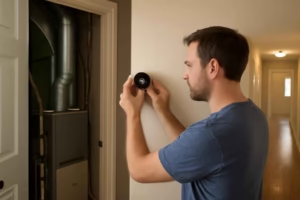
When mounting, follow manufacturer guidelines for ceiling or wall placement, maintaining clearance from corners and ensuring no obstructions around the unit. Use the included mounting bracket and screws for a secure fit. For hardwired models, turn off the circuit breaker before installation and follow electrical codes, or hire a qualified electrician.
Maintenance includes monthly testing via the device or app, cleaning dust and debris from vents with a soft brush or vacuum attachment, and replacing batteries as needed. Smart apps often provide low-battery alerts and end-of-life notifications—replace the entire unit upon end-of-life to maintain safety compliance.
Regular firmware updates are critical; enable automatic updates in the app to ensure your detectors benefit from the latest features and security patches.
Common Installation Mistakes to Avoid
Even with the best equipment, improper installation can compromise detector effectiveness. One frequent mistake is placing detectors too close to windows, doors, or vents, where drafts can blow smoke or CO away from sensors. Maintain at least a 12-inch distance from walls and ceilings for wall-mounted units and keep detectors away from fans or heating vents.
Corners often trap air and delay detection. Never install detectors within six inches of room corners—opt for mounting in open areas on the ceiling or high on walls. In kitchens, avoid placing detectors directly above stoves; instead, install them at least 10 feet away to minimize false alarms from normal cooking activities.
Another error is mixing incompatible smart home ecosystems. A detector designed exclusively for Apple HomeKit may not integrate with Alexa routines, limiting automation. Verify compatibility before purchase to ensure cohesive system performance. Lastly, neglecting to register devices in the app or skipping firmware updates can lead to missed alerts or vulnerabilities—complete the setup process promptly and enable notifications.
Top 10 Best Smart Smoke and Carbon Monoxide Detectors
- Nest Protect – Dual photoelectric and CO sensor, voice alerts, smartphone notifications, self-testing, integrates with Google Home.
- First Alert Onelink – Works with Apple HomeKit, voice alerts, interconnectable, mobile app control.
- Kidde Smoke & CO Alarm (Wi-Fi) – Dual sensor, app notifications, battery backup, easy DIY install.
- Roost Smart Battery – Retrofit solution that turns existing alarms into smart devices with instant alerts.
- Eve Smoke – HomeKit-exclusive, detailed event logs, proximity silencing, long-life battery.
- IQAir HealthPro Smart – Combined air purifier and smart CO detector with app integration and environmental monitoring.
- SimpliSafe Smoke Detector – Integrates with home security system, local siren, instant mobile alerts.
- X-Sense Smoke Detector – 10-year sealed battery, loud alarm, smart app, photoelectric sensor.
- Honeywell Home Wi-Fi Smoke Detector – Voice alerts, self-testing, multi-user mobile notifications.
- Roomba S9+ Smart Sensor Kit – Adds CO detection to your smart vacuum’s mapping system and alerts through the app.
Integrating Smart Detectors into Your Smart Home Ecosystem
To maximize safety, integrate your smart smoke and CO detectors with other connected devices. Linking alarms to smart lights can trigger strobe alerts during emergencies, guiding you through smoke-filled rooms. You can configure scenes in Amazon Alexa or Google Assistant so that when a detector is triggered, smart plugs can cut power to sensitive electronics or start exhaust fans.
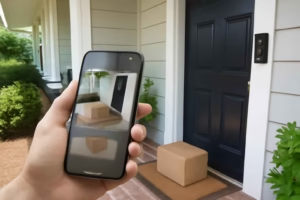
Another powerful integration is with security cameras; when smoke or CO is detected, your cameras can begin recording automatically and send footage to your phone. If you use a home automation hub like Samsung SmartThings or Hubitat, setting up routines becomes seamless. For advanced leak prevention, tie in your detectors with smart water leak detectors to create a unified safety network that monitors multiple home risks simultaneously.
Frequently Asked Questions
1. How often should I test my smart detectors?
Test your detectors at least once a month using the test button or through the app. This ensures sensors and communication components function correctly.
2. Can I install smart detectors myself?
Battery-only models are DIY-friendly. Hardwired detectors may require a licensed electrician to comply with local building codes.
3. What happens during a power outage?
Hardwired detectors switch to battery backup. Ensure batteries are fresh and replace them according to manufacturer instructions.
4. Will I receive notifications if I travel abroad?
Yes, as long as your detector and your smartphone remain connected to the internet, you’ll receive real-time alerts regardless of your location.
5. How long do smart detectors last?
Most smart detectors have a lifespan of 10 years. After the end-of-life warning, replace the unit entirely to maintain safety standards.
Conclusion
Upgrading to smart smoke and carbon monoxide detectors is one of the most impactful steps you can take to safeguard your home and loved ones. These devices offer real-time alerts, advanced features, and seamless integration with your smart home system, providing comprehensive protection. Ready to enhance your home safety? Explore top-rated models now with wifi smoke alarm carbon monoxide on Amazon and ensure your family stays protected around the clock.