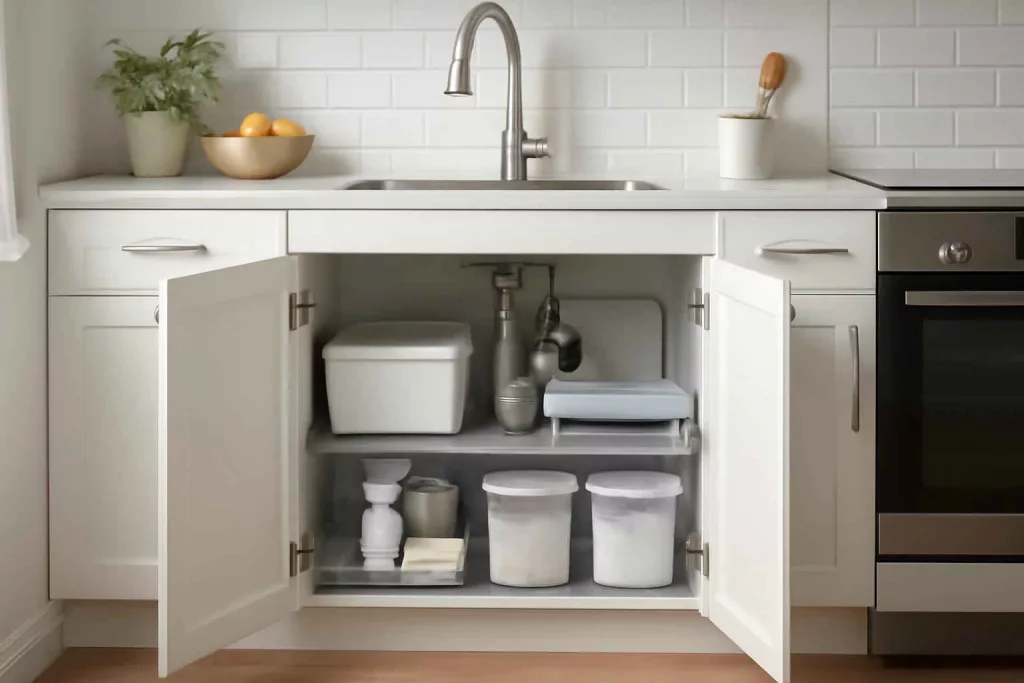
Installing a high-quality under-sink organizer is the fastest way to maximize small kitchen storage and keep cleaning essentials within reach. By measuring your cabinet and choosing a design—whether pull-out drawers, tiered racks, or sliding baskets—you’ll transform wasted under-sink space into a neat, functional zone. For a wide range of under-sink solutions, explore options here under sink organizer.
Step-by-Step Guide: Choosing and Installing the Right Organizer
Finding the perfect under-sink organizer starts with accurate measurements and ends with secure installation. This step-by-step approach ensures you select a unit that fits plumbing, doors, and storage needs.
1. Measure Your Cabinet Interior
— Use a tape measure to record the width, depth, and height from the floor to the bottom of the sink basin. Note any pipes or obstructions, especially garbage disposals or water filters. Subtract at least 1 inch from width and depth to allow for smooth installation and removal.
2. Identify Your Storage Needs
— List the items you store under the sink: spray bottles, sponges, cleaning cloths, trash bags, or small appliances like a handheld vacuum. Group items by frequency of use. Prioritize easy-to-reach solutions for daily essentials.
3. Choose Your Organizer Type
— Pull-Out Drawers: Ideal for deep cabinets, these glide smoothly and keep items visible. Tiered Racks: Two or three levels let you stack smaller supplies without bending. Sliding Baskets: Great for awkward plumbing; baskets can slide over pipes. Freestanding Bins: Affordable and versatile, but may need custom cuts to clear pipes.
4. Consider Material and Durability
— Metal wire organizers resist moisture but can rust—choose powder-coated steel. Plastic units resist corrosion but may crack under heavy loads. Bamboo and wood racks add style but require waterproof finishes.
5. Install and Adjust
— Follow the manufacturer’s instructions: secure mounting brackets to the cabinet bottom or sides, ensure drawers slide freely, and adjust basket heights if adjustable. Test each compartment before loading heavy supplies.
Practical Example: Transforming a 24-Inch Cabinet
Sarah’s small urban kitchen had a 24-inch-wide cabinet under the sink cluttered with half-empty spray bottles and tangled scrubbers. She measured: 23 inches wide, 21 inches deep, and 18 inches high from cabinet floor to sink base. After noting the garbage disposal offset, she chose a two-tier sliding basket set with adjustable height. The baskets cleared the pipes by sliding above them yet still allowed full pull-out access.
Installation took under 20 minutes: she attached two side rails using the included screws, clipped the baskets on, and tested the glide. By grouping items—daily cleaners on the top basket, refill bottles below—Sarah reclaimed 60% more usable space. She even stored her small handheld vacuum at the back, ready for quick countertop cleanups.
Common Mistakes to Avoid
1. Skipping Measurements: Guessing cabinet dimensions often leads to an ill-fitting organizer that rubs against doors or can’t clear pipes.
2. Ignoring Plumbing Layout: Many shoppers overlook pipe placement and disposal motors, ending up with unusable drawer space.
3. Overloading Baskets: Packing heavy bottles in plastic racks designed for lightweight items causes sagging or breakage.
4. Choosing Non-Adjustable Units: Fixed-height organizers don’t adapt to changing storage needs or new supplies.
5. Neglecting Door Function: Some organizers prevent doors from closing fully or require door removal, defeating the purpose of concealed storage.
Tips to Improve Your Under-Sink Storage
Use Clear Labels: Apply waterproof labels on drawers or baskets so every family member can find what they need without rummaging.
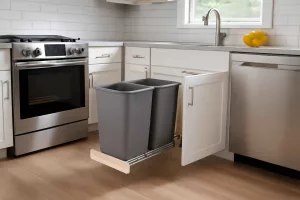
Combine Organizers: Pair a tiered rack in the back with a pull-out drawer up front to maximize both depth and ease of access—this strategy works well alongside a best pull-out trash bin organizers setup.
Utilize Door Interiors: Add slim hooks or a paper towel holder on the door to keep wipes or gloves off the shelf.
Rotate Seasonally: Store seldom-used supplies—seasonal cleaners, specialty detergents—on higher shelves or under a removable caddy to keep daily essentials front and center.
Maintain with Monthly Audits: Remove expired or empty products once a month. A quick wipe of the baskets and cabinet floor prevents mold or debris buildup.
Conclusion
With the right measurements, materials, and installation, under-sink organizers can revolutionize how you use small kitchen cabinets. Start by mapping your space, choose a system that clears plumbing, and mix basket types to suit your habits. For an instant upgrade, check out pull-out organizers here stackable under sink organizer. You’ll enjoy a clutter-free, accessible cabinet that keeps cleaning tools in order and out of sight.