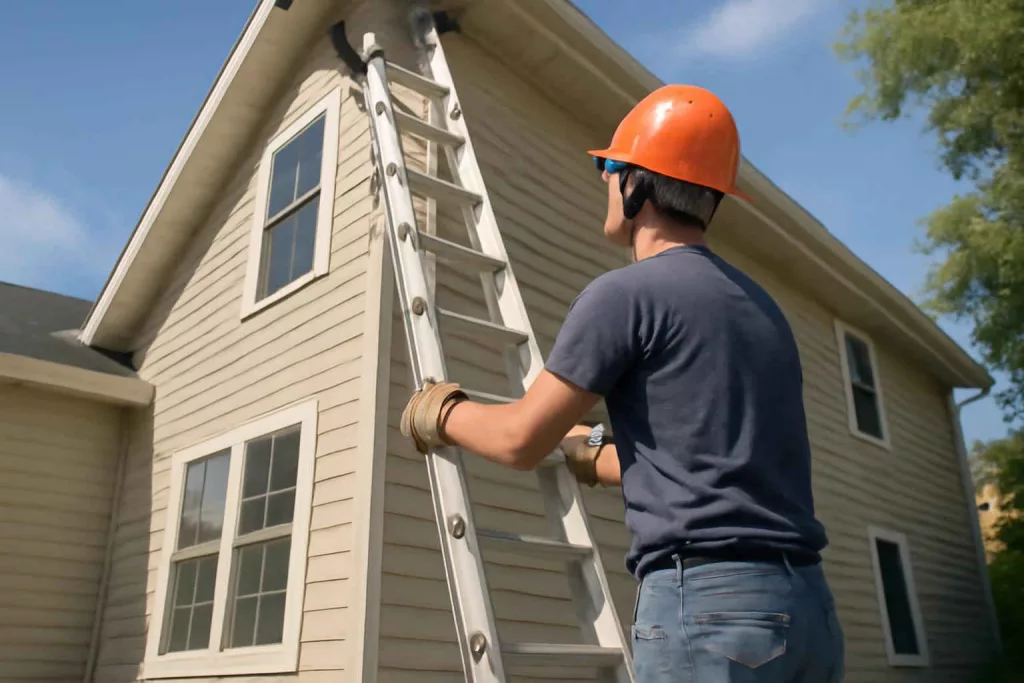
To safely use an extension ladder, choose the right ladder for the job, inspect it thoroughly, set it up at the correct angle, and secure it before climbing. Following these essential steps dramatically reduces the risk of falls and equipment damage.
Extension ladders are indispensable tools for painting, gutter cleaning, or home maintenance on multi-story houses. However, mishandling or improper setup can lead to falls, structural damage, or injury. Whether you’re swapping light bulbs on a second floor or trimming branches, adhering to best practices ensures a safe experience. This guide covers everything from ladder selection through post-use maintenance, blending clear instructions with real-world tips for beginners.
Step-by-Step Guide
Mastering ladder safety starts with a systematic approach. Below is a detailed series of steps designed to guide you through selecting, positioning, and climbing an extension ladder with confidence.
1. Choose the Right Extension Ladder
Select an extension ladder rated for your task and load. Consider these factors:
- Length: Ensure the ladder extends at least three feet above your working surface. For painting a second-story window, a 24-foot model is often sufficient.
- Material: Aluminum ladders resist corrosion and are lightweight, while fiberglass options are non-conductive—ideal for electrical work.
- Load Rating: Check the duty rating. Type IA (300-pound capacity) is suitable for most heavy-duty residential tasks.
2. Inspect the Ladder Thoroughly
Before deployment, conduct a visual inspection. Look for:
- Damaged Rungs: Bent or cracked rungs compromise stability.
- Corroded Sections: Rust or corrosion on metal ladders weakens structural integrity.
- Loose Hardware: Ensure pulleys, bolts, and locking pins are firmly in place.
- Clean Surfaces: Remove grease, mud, or any slippery residue.
Regular inspection helps extend ladder life and reduce accidents. For more equipment safety advice, see our power tool safety gear guide.
3. Prepare the Ground Surface
Clear the setup area of debris, garden hoses, or uneven objects. Set the ladder feet on a solid, level surface. Use anti-slip feet or ladder mats on slick concrete or wet grass to prevent slipping. If the ground is soft, place a plywood sheet under each foot to distribute weight evenly.
4. Extend and Lock the Ladder Sections
Rest the ladder’s base against the structure and unlock the fly section. Extend the ladder so the top section overlaps by at least three feet. Lock every rung-lock before shifting position. Double-check that locking pins fully engage before climbing.
5. Position at the Correct Angle
Use the 4-to-1 rule: for every four feet of ladder height, place the base one foot away from the wall. At a 24-foot extension, stand 6 feet from the wall. This angle provides optimal stability. A simple way to test: stand with toes at ladder base and extend arms straight ahead—your palms should comfortably reach a rung at shoulder height.
6. Secure the Top and Bottom
Prevent lateral movement by securing the ladder at both ends. Tie the top to a stable anchor point on the building using a strap or ladder stabilizer. For added security, wedge a ladder leveler under the base or have an assistant hold the bottom.
7. Climb Safely
Face the ladder, keep three points of contact (two hands and one foot or two feet and one hand), and ascend slowly. Avoid carrying heavy tools; instead, use a tool belt or hoist items with a rope after you’re in position.
8. Maintain During Use
Periodically recheck locking mechanisms and ladder angle, especially if you reposition frequently. If you move the ladder more than a few inches, repeat the 4-to-1 setup. Avoid overreaching—descend and reposition as needed.
9. Inspect and Store Post-Use
After completing your task, collapse the ladder sections carefully and inspect for new damage. Wipe down surfaces and store the ladder in a dry, shaded area. A wall-mounted rack in your garage or tool room keeps it off the ground and prevents warping.
Practical Example
Imagine you need to clean two levels of rain gutters on your home. Here’s how you’d apply the step-by-step guide:
- Choose a 28-foot aluminum extension ladder with a Type IA rating, ensuring enough reach and durability.
- Inspect both rails and pulleys, tightening any loose hardware and wiping down dirt from the rungs.
- Select a flat section of lawn, remove garden hoses, and place rubber ladder feet on the grass.
- Slide out the fly section until it overlaps by three feet, verifying that rung-locks snap into place.
- Stand back six feet from the house base and adjust until you achieve the 75-degree angle measured by your arm-reach test.
- Secure the top with a gutter stabilizer attachment to prevent damage to fascia and add stability.
- Ascend slowly, keeping three points of contact, with a bucket of debris attached by rope to the top rung.
- If you need to shift to clean another section, descend fully, reposition, and repeat the angle test.
- Once complete, thoroughly rinse the ladder, let it dry, then store it on a workshop setup checklist rack.
Following these routines ensures gutter cleaning is both efficient and injury-free.
Common Mistakes
Avoid these frequent errors that compromise ladder safety:
- Incorrect Angle: Setting the ladder too steep or shallow shifts weight distribution, increasing slip risk.
- Unsecured Sections: Failing to lock fly sections can cause the ladder to collapse under load.
- No Ground Preparation: Placing feet on uneven surfaces leads to tipping or collapse when weight shifts.
- Overreaching: Leaning out more than arm’s length can tip the ladder; always descend and reposition.
- One-Handed Climbing: Carrying tools in one hand reduces grip strength and control.
- No Stabilization: Skipping top or bottom ties leaves the ladder vulnerable to sideways movement.
- Ignoring Wear: Using ladders with cracked rails or worn rungs compromises integrity.
- Poor Storage: Storing outdoors exposes ladders to moisture and UV damage, shortening lifespan.
- Use on Slippery Surfaces: Not using ladder mats or spiked feet on slick concrete risks base slide-out.
- Lack of Spotter: Working alone without assistance removes an important safety backup.
Tips to Improve Your Setup
Enhance extension ladder safety and efficiency with these expert insights:
- Add a Ladder Stabilizer: A wide ladder standoff protects siding and increases lateral stability on gutters or eaves.
- Use Anti-Slip Mats: Place specialized mats under ladder feet on slick surfaces to prevent slide-outs.
- Wear Non-Slip Footwear: Rubber-soled shoes improve traction on rungs and ground.
- Mark Level Points: Use a chalk line on the wall to align the ladder base consistently every use.
- Implement Regular Maintenance: Apply a light spray of corrosion inhibitor on metal rails and hinges quarterly.
- Employ a Spotter: Have someone hold the base or watch for hazards, especially in windy conditions.
- Use a Rope Hoist: Raise and lower tools separately via rope to keep hands free for climbing.
- Check Weather Conditions: Avoid ladder use in high winds or rain; wet conditions drastically reduce friction.
- Upgrade Safety Gear: Combine ladder work with a harness and tie-off system when working above two stories.
- Label Inspection Dates: Write inspection dates on the ladder to track wear and schedule replacements.
Conclusion
When it comes to how to safely use an extension ladder, diligence in selection, setup, and maintenance is key. Start by choosing a ladder that matches your height and weight requirements, inspect it before every job, and maintain the correct angle and secure attachments. Keep your hands free when climbing by using tool belts or hoist systems, and enlist a spotter whenever possible.
By integrating these practices and learning from common mistakes, you can confidently tackle exterior home projects from painting trim to gutter cleaning without compromising safety. Next time you need to reach new heights around your house, follow this guide—and consider upgrading your safety gear with top-rated options on Amazon for peace of mind. Find quality extension ladders to match your needs and boost your DIY confidence.