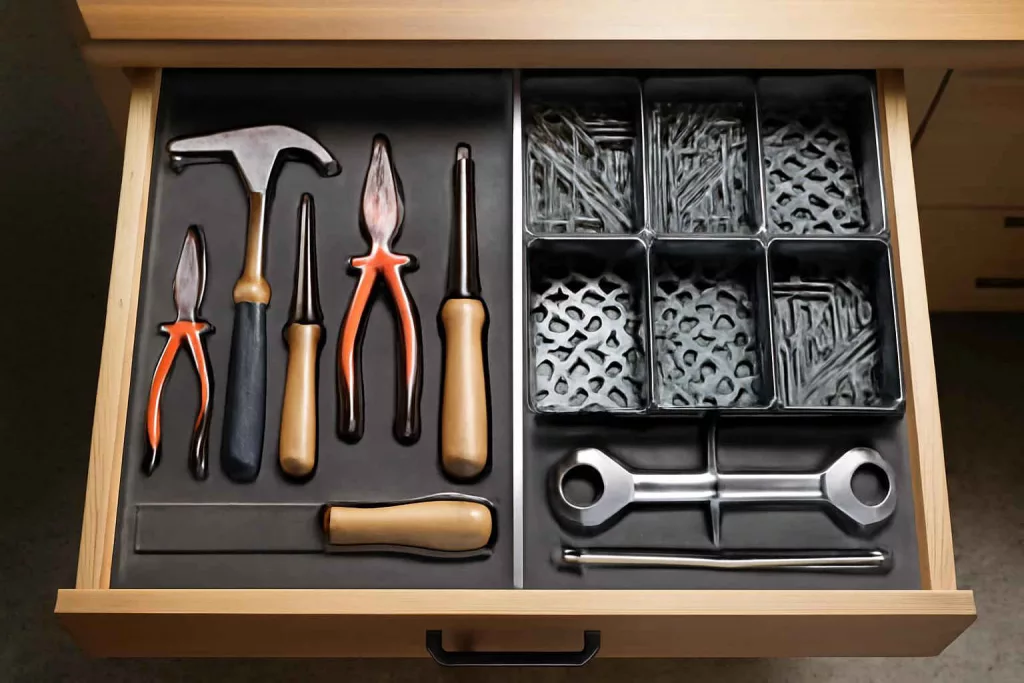
An effective tool drawer organizer streamlines your workspace by keeping each tool in its place, protecting surfaces, and speeding up project times. With the right modular inserts and dividers, you can transform a cluttered drawer into a highly efficient storage solution. Browse top-rated drawer organizers on Amazon by tool type to find the perfect fit for your workspace: best drawer organizers.
Why Organize Your Tool Drawers?
Starting a project only to fumble through a messy drawer wastes time and can damage both tools and drawer interiors. A dedicated tool drawer organizer solves these issues by giving each screwdriver, wrench, and socket a custom spot. This not only speeds up tool selection but also helps maintain your tools over time—preventing rust or chipping against other metal pieces.
In home workshops, space is at a premium. By using drawer dividers for tools, you maximize every inch and avoid overflow into cabinets or pegboards. Consistent organization also encourages returning tools to their proper place, preserving the order once you’ve set it up. Pairing organizers with magnetic tool holders or specialized racks further elevates efficiency and accessibility.
Key Features to Look for in Tool Drawer Organizers
Material and Durability
Drawer organizers come in plastic, foam, or metal. High-density polyethylene (HDPE) trays resist solvents and oils, while anti-static foam inserts protect delicate electronics tools. For heavy hand tools like hammers and pliers, look for reinforced plastic or powder-coated steel dividers that won’t warp under weight.
Adjustability and Modularity
Modular inserts allow you to rearrange compartments as your tool collection grows. Systems with snap-and-lock grid patterns adapt to various drawer sizes. Removable dividers mean you can designate larger cells for power tool bits or smaller slots for precision drivers. These features prevent wasted space and let your drawers evolve with new additions.
Compatibility with Drawer Slides
Check that your chosen organizer fits smoothly on existing drawer slides. Low-profile inserts work best with soft-close or heavy-duty slides. If you plan to upgrade to heavy-duty drawer slides, verify the recommended clearance and weight capacity to maintain smooth operation under full loads.
Non-slip and Protective Finishes
Rubberized bases or textured coatings keep tools from sliding during drawer opening and closing. EVA foam trays also cushion tools, reducing noise and preventing scratches. This finish is ideal for delicate tool bits and measuring instruments, safeguarding both the tool and the drawer bottom.
Top Tool Drawer Organizers for Home Workshops
1. ToughBuilt Modular Tool Tray System
The ToughBuilt set features interlocking trays that stack neatly or separate into individual bins. Its durable polypropylene construction handles oils and solvents, while customizable dividers let you create slots for sockets, bits, and wrenches. The trays fit standard 18-inch drawer widths and include non-slip feet. Perfect for combination hand tool storage, this system simplifies daily workflow.
2. DEWALT 18-Compartment Screwdriver Caddy
This compact organizer is molded for easy screwdriver access. Its 18 slots accommodate a full range of Phillips, flathead, and Torx drivers. Featuring a low-profile footprint, it pairs well with precision bits next to power tool chargers. The bright yellow color makes small tips easy to spot, and its stackable design can blend into larger tool tray arrangements.
3. Stanley Adjustable 3-Piece Drawer Drawer Organizer
Stanley’s classic plastic dividers slide to fit drawer widths between 14 and 21 inches. Sold in a set of three, each divider clicks into place without tools. Ideal for wrenches and pliers, they create long channels that prevent tools from piling up. Lightweight and cost-effective, this kit suits beginners looking for a quick organizational upgrade.
4. Gator Frameworks Slip-In Foam Tool Organizer
Perfect for precision tools and measuring instruments, this provol foam set cuts to custom shapes for exact tool outlines. The slip-in design means no adhesive residue on your drawer. Outline each tool on the foam, cut carefully, and create a professional-level presentation for your most-used hand tools. It’s also reversible—swap out old foam as your collection changes.
5. Akro-Mils Plastic Drawer Bins
For small parts and accessories, Akro-Mils bins nest within broader drawer systems. These stackable, clear bins allow you to separate fasteners, drill bits, and glue sticks. Use labels on the front lip for instant recognition. While technically bins rather than molded trays, they pair well with modular foam organizers for a hybrid approach.
6. AirtoolMaster Metal-slotted Dividers
Constructed of powder-coated steel, this set of 8 dividers slots into predrilled holes on metal tool cabinets or drawer inserts. They create adjustable vertical partitions, perfect for chisels, files, and pry bars. The slim profile maximizes usable space, and the metal construction stands up to heavyweights without bending.
How to Install and Customize Your Tool Drawer Organizers
1. Empty the Drawer Completely: Remove existing clutter and wipe down the interior surface before installing new organizers.
2. Measure Interior Dimensions: Use a tape measure to record drawer length, width, and depth. Note any protrusions from slides or cabinet hardware.
3. Plan Layout on Paper: Sketch your drawer overhead and map tool outlines or compartments. Group similar tools (e.g., screwdrivers, sockets) in zones to minimize hand movements.
4. Select Appropriate Inserts: Choose foam trays for precision tools, dividers for larger hand tools, or bin systems for accessories. Verify compatibility with cable management solutions if you plan to run power tools through adjacent drawers.
5. Cut or Adjust Dividers: Trim foam inserts or slide divider pieces to match your paper plan. Always double-check fit by inserting organizers before loading tools.
6. Secure and Label: If your organizers come with adhesive pads or mounting hardware, attach them per instructions. For open bins, use panel labels or a label maker on the drawer lip.
7. Load and Test: Place tools back into designated spots and close the drawer slowly. Ensure smooth operation and adjust dividers if needed to prevent binding.
Practical Example: Revamping a Garage Workbench Drawer
Sarah, a weekend woodworker, had a crowded drawer under her workbench filled with chisels, clamps, and drill bits. She chose the Gator Frameworks foam system for chisels and the Stanley plastic dividers for drill bits. After emptying the drawer, she measured 20″ wide and arranged foam outlines for her five most-used chisels. She cut snug cavities and slid in custom dividers for drill bit sets. To the side, she placed two Akro-Mils mini bins labeled “01–08” and “09–16” for bit sizes. The end result: a visually clean drawer where she can grab what she needs in seconds. The custom foam also cushions chisels when the drawer closes, preventing dulling.
Common Mistakes to Avoid
- Ignoring Drawer Depth: Buying organizers too tall can hang up on slides or cabinet hardware.
- Overcrowding Compartments: Jammed tools defeat the purpose of organization and lead to damage.
- Skipping Measurements: Eyeballing fits often causes wasted space or inserts that don’t sit flush.
- Forgetting Future Tools: Plan for growth by leaving a few empty slots rather than cramming every inch.
- Neglecting Labels: Without labels, your neat system can become confusing after a few weeks.
Tips to Improve Your Tool Drawer Organization
- Group by Task Frequency: Place daily-use tools near the drawer front and specialty items toward the back.
- Color-Code Organizers: Use colored foam or bins to visually separate tool categories at a glance.
- Use Drawer Liners: A thin, non-slip liner beneath foam or plastic trays adds extra stability.
- Regularly Audit: Every quarter, reassess your drawer layout and remove tools you no longer use.
- Combine Storage Methods: Foam inserts, bins, and magnetic rails can work together for versatile setups.
Conclusion
Upgrading your workshop with the right tool drawer organizers creates a more efficient, durable, and enjoyable workspace. By selecting modular, durable inserts and planning your layout, you’ll find projects flow smoothly. For versatile shopper options, explore top-rated organizer kits and related accessories at Amazon tool drawer solutions. With an organized drawer system in place, you’ll spend less time searching and more time building.