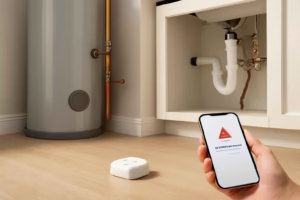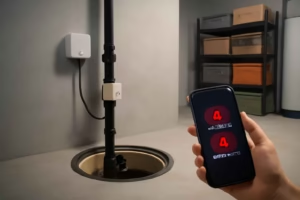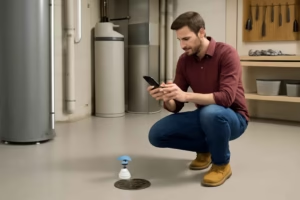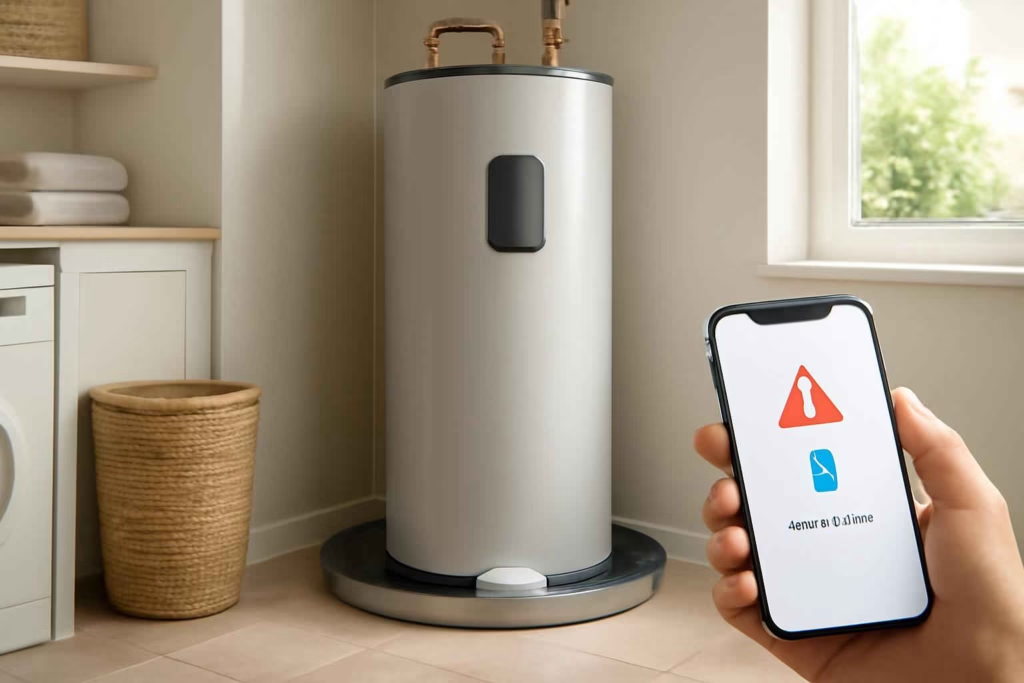
A smart water heater leak detector helps you catch one of the most common hidden home-water problems before it turns into damaged flooring, soaked drywall, or a flooded utility area. The best choice depends less on brand hype and more on where your heater sits, how alerts are sent, whether you want automatic shutoff, and how much protection you need when nobody is home.
For most homeowners, the right setup includes a reliable water sensor at the drain pan or base of the heater, loud local alerts, app notifications, and enough battery life or backup power to keep working during outages. If your water heater is in a finished basement, attic, closet, or vacation property, pairing leak detection with an automatic shutoff valve is often the safer choice.
This Get the site name/brand name dynamically guide explains which features matter, what mistakes to avoid, and how to match a detector to your home.
Why a smart water heater leak detector is worth considering
Water heaters can leak slowly or fail suddenly. A tiny drip from a fitting, drain valve, or pan may go unnoticed for days. A tank failure can release much more water in a short time. A smart detector does not repair the problem, but it can reduce response time by sending an alert before damage spreads.
Smart leak detection is especially useful when the water heater is located:
- in a basement with finished walls or flooring;
- inside a utility closet near living areas;
- in an attic or upper floor where leaks can travel downward;
- in a garage where small leaks are easy to miss;
- in a rental, second home, or vacation property.
If you are also comparing broader leak protection, our guide to smart water leak detectors for basements, water heaters, and under-sink protection can help you decide whether you need a point sensor or a larger whole-home approach.
What a smart water heater leak detector actually does
A smart water heater leak detector is a sensor-based device that notices water where it should not be and then triggers one or more alerts. Depending on the model, it may:
- sound a local alarm;
- send push notifications to your phone;
- send email or text alerts through its app or smart-home platform;
- monitor temperature or freeze conditions near plumbing;
- trigger an automation routine;
- work with a smart shutoff valve to stop the water supply.
Some detectors are simple puck-style sensors placed on the floor or in the pan. Others use remote cables that can sense water across a longer path. For a water heater, either design can work, but the best option depends on how water is likely to spread in your space.
Best smart water heater leak detector features to prioritize
1. Sensor style that matches the leak path
If your water heater sits in a drain pan, a puck sensor at the lowest point may be enough. If water could run along one edge, under the tank, or around a closet perimeter, a cable-style sensor can provide broader coverage.
Good fit for puck sensors: open utility rooms, visible garage installs, simple pan setups.
Good fit for cable sensors: tight closets, finished areas, irregular flooring, multiple possible leak paths.
2. Loud local alarm
Phone alerts are helpful, but a loud onboard siren matters too. If you are home, a local alarm may help you respond faster than a silent app notification.
3. Reliable app alerts
Look for clear, fast notifications with low-friction setup. The app should tell you which sensor triggered, when the event happened, and whether the device has gone offline or has a low battery.
4. Battery life and backup behavior
Long battery life matters for utility spaces you do not check often. If the device depends on Wi-Fi or a hub, also think about what happens during internet or power outages. Some homes benefit from a detector with battery-powered local alerts even if remote notifications temporarily fail.
5. Wi-Fi range or hub stability
Water heaters are often placed in garages, basements, or mechanical rooms where Wi-Fi can be weak. A great detector is not very useful if it constantly drops offline. Before buying, consider signal strength in the exact installation spot.
6. Automatic shutoff compatibility
If a leak could cause expensive damage, compatibility with a smart shutoff valve is one of the most valuable upgrades. A detector can warn you, but a shutoff system can reduce how much water escapes after detection.
If that level of protection interests you, compare this article with our guide to smart water shut-off valves for leak prevention and whole-home protection.
7. Temperature or freeze alerts
In colder regions, freeze-risk awareness can be a useful bonus feature, especially in garages, outbuildings, or part-time homes. This does not replace proper insulation or winterization, but it can add another warning layer.
8. Easy placement in or around a drain pan
The detector should fit your real setup. Some units are bulky and may not sit well inside narrow pans. Others need a perfectly flat surface. Check dimensions and probe layout before deciding.
Quick decision table: which setup fits your home?
| Home situation | Best detector style | Most important features |
|---|---|---|
| Garage water heater with open floor area | Puck sensor in pan or at base | Loud alarm, strong Wi-Fi, long battery life |
| Finished basement near carpet or drywall | Cable sensor plus app alerts | Fast notifications, broad sensing path, shutoff compatibility |
| Tight utility closet | Low-profile puck or slim cable sensor | Compact shape, easy placement, dependable connection |
| Vacation home or rental | Smart sensor with remote alerts | App reliability, offline warnings, optional shutoff integration |
| Attic or upper-floor installation | Sensor plus automatic shutoff capability | Immediate alerts, automation, high-confidence reliability |
When a basic leak sensor is enough
A simple smart sensor may be enough if:
- the heater is in an unfinished garage or basement;
- minor water escape would be easy to notice and contain;
- someone is usually home;
- you mainly want notification, not automation;
- your budget is limited and you want a first layer of protection.
In these situations, value comes from quick awareness rather than complex integration.
When you should consider leak detection plus automatic shutoff
A leak detector paired with shutoff is often the better solution if:
- the heater is above finished living space;
- you travel often;
- the property sits vacant for stretches;
- water damage would affect wood floors, cabinetry, or finished walls;
- your household may miss alerts during work hours or overnight;
- you want stronger whole-home water protection, not just water-heater monitoring.
This is one of the clearest upgrade paths because detection only helps if someone can act on it. Shutoff adds a response mechanism.
Common mistakes when choosing a smart water heater leak detector
Buying for features instead of placement
The best app and smartest automations do not matter if the sensor is the wrong shape for the drain pan or misses the first place water appears.
Ignoring Wi-Fi conditions in utility areas
Basements, garages, and metal-lined mechanical spaces can weaken signals. Check connectivity before committing to a Wi-Fi-only device.
Assuming all leaks start in the same spot
Water may appear at the drain pan, pressure relief discharge area, supply fittings, or the floor next to the unit. Placement strategy matters as much as the device itself.
Overlooking maintenance alerts
A low-battery warning or offline alert can be as important as the leak alarm. A detector that quietly dies is easy to forget.
Choosing a detector without a practical response plan
If the app alerts you while you are out of town, what happens next? Your best option may involve an automatic shutoff, a neighbor, a property manager, or a plumber you can call quickly.
How to place a water heater leak detector correctly
- Identify the most likely first-contact point. In many homes, that is the bottom of the pan or the low point beside the heater.
- Check how water would flow. A floor that slopes away from the pan may require sensor placement outside the pan edge.
- Keep the sensor stable. Avoid positions where it may tip, lift, or lose contact with the surface.
- Test the alert. Use a small safe amount of water, if the manufacturer allows, to confirm local and app notifications.
- Label the sensor in the app. If you use multiple detectors, name it clearly, such as “garage water heater” or “basement tank pan.”
If your water heater is near other plumbing risks, it can also make sense to layer protection with adjacent sensors. For example, homes with washing machines in utility zones may benefit from a separate sensor plan like the one discussed in smart water sensors for washing machines, water heaters, and under-sink leak alerts.
Features that sound impressive but matter less for most buyers
- Fancy dashboards: Useful, but secondary to reliability.
- Complex smart-home routines: Nice for enthusiasts, unnecessary for basic protection.
- Ultra-detailed historical graphs: Less important than clear leak, battery, and offline alerts.
- Extra sensors you will never place: Coverage matters only if you actually install and maintain it.
A practical buying checklist
Use this checklist before you buy:
- Is your water heater in a pan, closet, basement, garage, or upper floor?
- Where would the first water likely appear?
- Would a puck sensor or cable sensor cover that path better?
- Is Wi-Fi strong at the heater location?
- Do you need local alarm only, app alerts, or both?
- Will the detector warn you if it goes offline or the battery gets low?
- Do you want it to work with a shutoff valve?
- Will someone be able to act quickly if an alert happens?
Useful accessories and related products
Some homes benefit from a few supporting items alongside a smart water heater leak detector:
- a water heater drain pan if your setup allows one;
- a compatible automatic shutoff valve;
- a Wi-Fi extender for weak basement or garage coverage;
- additional leak sensors for nearby laundry or sink areas.
If you need to compare options on Amazon, browsing smart water heater leak detectors or smart water shut off valves can help you see the main product types and mounting styles available.
FAQ
Can a smart water heater leak detector stop a leak by itself?
No. A standard detector only senses water and sends an alert. To stop water automatically, it usually needs to be paired with a compatible smart shutoff valve or a larger leak-protection system.
Where should I place a leak detector for a water heater?
The best location is usually the lowest point where escaping water will appear first, often inside the drain pan or immediately beside the heater base. If water could travel along an edge or wall, a cable sensor may provide better coverage.
Do I need Wi-Fi for a water heater leak detector?
Not always. Some detectors only sound a local alarm. Wi-Fi or hub-based connectivity is needed if you want remote alerts on your phone or integration with other smart-home devices.
Is a leak detector enough for a vacation home?
Sometimes, but not always. For a vacation home, remote alerts are essential, and automatic shutoff is often the stronger choice because no one may be available to respond quickly.
What is the difference between a water heater leak detector and a whole-home leak system?
A water heater leak detector protects a specific location. A whole-home system may include multiple sensors, flow monitoring, and an automatic shutoff valve that protects the house more broadly.
Can I use the same detector type for my sink, washing machine, and water heater?
Often yes, but ideal sensor style may differ by location. A puck sensor may work well under a sink, while a cable sensor may be better in a closet or around a water heater pan.
Conclusion
The best smart water heater leak detector is the one that matches your installation, sends reliable alerts, and fits your real response plan. For simple setups, a loud smart sensor in the right spot may be enough. For finished spaces, second homes, or higher-risk installations, adding automatic shutoff can provide much stronger protection. Start by mapping where water would appear first, then choose the sensor style, connectivity, and automation level that fit that risk.