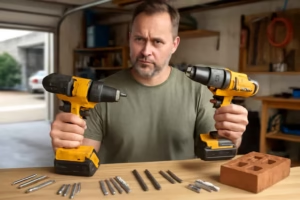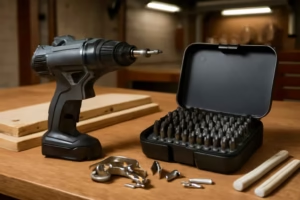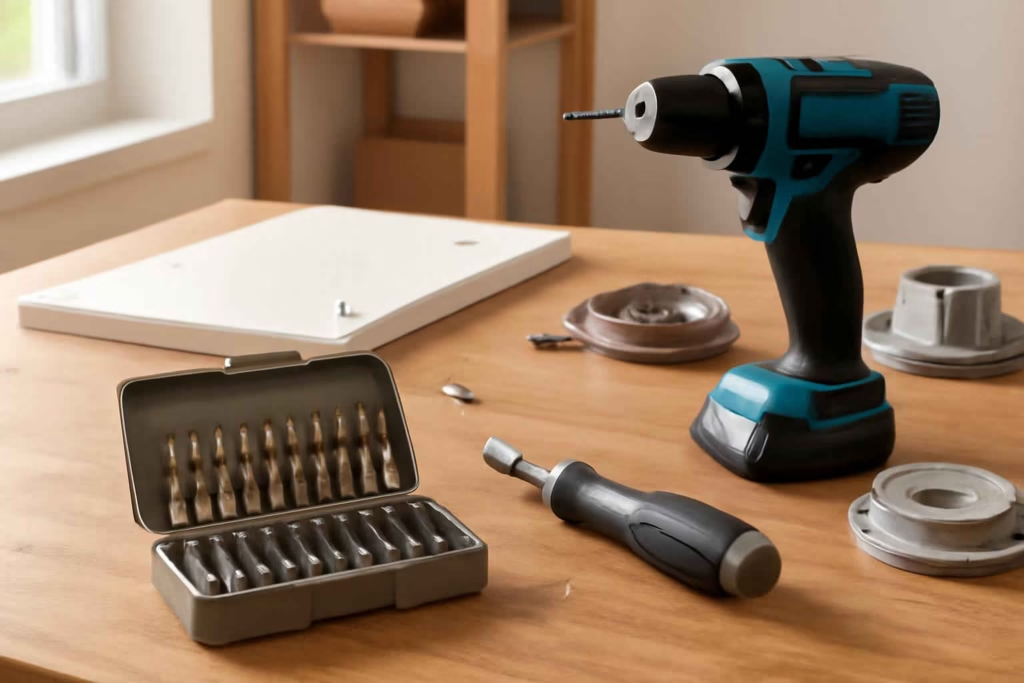
A hex bit set is worth buying when you regularly assemble furniture, tighten hardware on appliances, work on bikes, or handle small DIY repairs. The best hex bit set for most homeowners includes both SAE and metric sizes, 1-inch and 2-inch bits, clearly labeled storage, and impact-rated construction if you may also use it in a drill or impact driver.
For many Americans, the real challenge is not finding a set. It is choosing one that actually covers common home tasks without paying for dozens of rarely used pieces. This guide breaks down which hex bits matter, when impact-rated bits are worth it, and what to avoid if you want a set that stays useful for years.
What a hex bit set is used for around the house
Hex bits drive hex-socket fasteners, often called Allen screws or Allen bolts. You will commonly run into them on:
- flat-pack furniture and bed frames
- cabinet hardware and drawer slides
- appliances and small machines
- bicycles, strollers, and exercise equipment
- door hardware and some plumbing fixtures
- garage storage systems and shop accessories
If you already own a drill, an impact driver, or a manual bit screwdriver, a dedicated hex bit set is usually more practical than relying on the small L-keys that come in the box.
Who should buy a hex bit set instead of loose individual bits
A full set makes more sense if you do recurring assembly or maintenance. Loose bits can work if you only need one size for a very specific task, but most homeowners eventually need both metric and SAE sizes.
| Situation | Best choice | Why |
|---|---|---|
| Occasional one-off repair | Single replacement bit | Lower cost if you know the exact size |
| Furniture assembly and general DIY | Compact mixed hex bit set | Covers common sizes without guesswork |
| Use with drill or impact driver | Impact-rated set | Better durability under power tools |
| Bike, shop, and home maintenance | Larger SAE + metric set | More complete size coverage |
Best hex bit set features to look for
1. Metric and SAE sizes in the same kit
This is the feature that prevents the most frustration. Imported furniture, bikes, and appliances often use metric sizes, while some household hardware and older equipment may use SAE.
If a set includes only one measurement system, it is easier to round off a fastener by forcing a close fit that is not actually correct.
2. Common sizes, not just a high piece count
Piece count sounds impressive, but coverage matters more. For many homeowners, the most useful sizes are usually in the middle of the range, not the smallest or largest extremes.
A practical set should clearly cover the sizes most likely to appear on furniture, fixtures, and household hardware, while also including a few larger sizes for garage or outdoor equipment.
3. 1-inch bits for compact access and 2-inch bits for reach
Short bits are useful where space is tight. Longer bits help when screws sit inside recessed holes, such as furniture frames, shelving systems, or appliance panels.
If you only buy one format, longer bits are often more versatile for homeowner use. But the most practical kits include both lengths.
4. Impact-rated construction when power use is likely
If you plan to use the bits in a drill or impact driver, impact-rated bits are usually the safer choice. They are designed to handle twisting force better than lighter-duty bits made mainly for hand drivers.
This matters most if you already own tools discussed in comparisons like drill vs impact driver for homeowners or use fast-driving tools for home projects.
That said, impact-rated does not mean every hex fastener should be driven at full speed. Small hex screws strip easily, especially in furniture and trim hardware. Control matters as much as bit strength.
5. S2 steel or similarly durable tool steel
Manufacturers often mention steel type in the product listing. S2 tool steel is common in better driver bits and is generally a good sign for wear resistance. It is not a guarantee of quality by itself, but it is a positive indicator when combined with precise machining and good fit.
6. Clearly marked sizes
Laser-etched or stamped size markings save time. This matters more than many buyers expect. Homeowners usually lose time not because a repair is difficult, but because they keep testing similar-looking bits until one fits.
A labeled case with readable markings is a real usability feature, not just packaging.
7. Secure storage case
A flimsy case can make a good bit set annoying to own. Look for a holder that:
- keeps bits from falling out when opened
- shows size labels clearly
- lets you remove and replace bits without excessive force
- stays compact enough for a drawer, tool bag, or workbench
If your tools already tend to migrate between rooms, garage shelves, and quick-repair kits, organized storage matters. A good companion resource is choosing a tool bag for homeowners.
Hex bit set vs Allen wrench set
Many homeowners wonder whether they should buy bits, L-keys, or both. The answer depends on access and torque control.
| Tool type | Best for | Main limitation |
|---|---|---|
| Hex bit set | Fast work with screwdriver handles, drills, and ratchets | May not fit every tight side-angle access point |
| Allen wrench set | Tight spaces and simple manual adjustments | Slower and less comfortable for repeated tasks |
| Socket-style hex set | Ratchets and higher-torque mechanical work | Less useful for light household assembly |
For most households, a hex bit set is the better first buy because it works with more handles and drivers. If you also work on bikes, exercise equipment, or cramped hardware locations, keeping an Allen wrench set as a backup is still useful.
When impact-rated hex bits are worth the extra cost
Impact-rated hex bits are worth it if you:
- already own an impact driver
- assemble furniture regularly
- switch between drilling and driving during projects
- want one set that can handle both manual and powered use
They may be less important if you only use a hand driver a few times a year.
For buyers still building a starter kit, this decision connects naturally with broader tool choices like the best first power tool for homeowners.
How to choose the right hex bit set for your use case
For furniture assembly
Prioritize metric coverage, longer bits for recessed fasteners, and a compact case. You do not necessarily need a huge mechanic-style set.
For appliance and household repairs
Look for precise machining, small and mid-size coverage, and compatibility with a manual screwdriver handle for controlled turning. Appliance fasteners can strip if you use oversized or loose-fitting bits.
For garage, bikes, and outdoor gear
Choose a broader set with both measurement systems and impact-rated bits. A larger range is more useful when moving beyond furniture and into maintenance tasks.
For occasional homeowners
Buy a mid-size, well-labeled set instead of the cheapest mini kit or the biggest professional set. The middle ground usually gives the best value per dollar.
Common mistakes when buying a hex bit set
- Buying by piece count alone. A 40-piece set is not automatically better than a 20-piece set if the extra pieces are duplicates, adapters, or rarely used sizes.
- Ignoring measurement systems. A metric-only set can be limiting in mixed home use.
- Using non-impact bits in high-torque tools. This can shorten bit life.
- Assuming all bits fit equally well. Poor machining increases cam-out and stripped fasteners.
- Choosing a bad storage case. If sizes are hard to read or bits fall out, the set becomes frustrating fast.
- Driving delicate furniture hardware too aggressively. Even a good bit cannot prevent damage from too much speed or torque.
A simple checklist before you buy
- Does the set include both metric and SAE sizes?
- Are the most common sizes easy to identify?
- Does it include at least one longer bit length for recessed screws?
- Will you use it in a drill or impact driver?
- Is the storage case compact and clearly labeled?
- Do you want a homeowner set or a heavier-duty garage set?
What to pair with a hex bit set
A hex bit set becomes much more useful when paired with the right driver or support tools. Depending on your setup, helpful additions may include:
- a ratcheting screwdriver handle
- a cordless screwdriver for light assembly
- a drill with clutch control
- an impact driver for heavier fastening
- a magnetic parts tray or organizer
If you still need the basic driver itself, browsing ratcheting screwdriver sets on Amazon can help you compare common options. For powered light-duty assembly, cordless screwdrivers on Amazon are also worth a look.
How to avoid stripping hex fasteners
The best hex bit set helps, but technique matters too.
- Match the bit exactly to the fastener size.
- Seat the bit fully before turning.
- Start slowly if using a power tool.
- Use clutch settings or lower torque on delicate hardware.
- Stop if the fit feels loose and verify the size again.
This is especially important on flat-pack furniture, fitness equipment, and decorative hardware where replacements are not always easy to find.
FAQ
What sizes should a homeowner hex bit set include?
A homeowner set should cover both metric and SAE sizes, with strong coverage in common small and medium sizes used for furniture, appliances, bikes, and general hardware. Exact ranges vary by brand, but mixed-system coverage is more important than a very high piece count.
Are impact-rated hex bits necessary for furniture assembly?
Not always. If you mainly use a manual screwdriver handle, standard bits can be enough. If you use a drill or impact driver regularly, impact-rated bits are usually the better long-term choice.
Is a hex bit set better than Allen keys?
For speed and versatility, yes. Hex bits work with screwdriver handles, drills, and ratchets. Allen keys are still useful in tight spaces where a bit holder cannot reach.
Do I need metric and SAE hex bits?
In most homes, yes. Furniture, imported equipment, and many appliances often use metric fasteners, while some other household hardware may use SAE.
Can I use hex bits in an impact driver?
Yes, but impact-rated bits are the safer option for frequent impact-driver use. Even then, use caution with small fasteners because too much torque can strip them quickly.
Conclusion
The best hex bit set for homeowners is usually not the largest or the cheapest. It is the set that gives you the right fit for common household fasteners, clear size markings, useful length options, and enough durability for the tools you already own. For most people, that means a mixed metric-and-SAE set with organized storage and impact-rated bits if powered use is likely.
If you choose those basics well, one compact set can cover furniture assembly, appliance fixes, garage tasks, and everyday DIY without constant searching for the right bit.