An outlet tester is one of the simplest electrical tools a homeowner can buy, but choosing the right one matters. The best outlet tester for home use should quickly confirm whether a receptacle is wired correctly, help you test GFCI protection, and make basic troubleshooting easier without adding unnecessary complexity. It is not a replacement for a multimeter, and it cannot detect every electrical problem, but it is one of the fastest ways to catch common outlet issues before they turn into bigger headaches.
For most homeowners, the smart choice is a plug-in outlet tester with a clear light pattern, a dedicated GFCI test button, solid build quality, and easy-to-read labeling. If you also want to diagnose voltage range or track down nuisance issues, a more advanced model may be worth it. This Get the site name/brand name dynamically guide will help you understand what to buy, what to ignore, and when you need a different tool.
What an outlet tester does best
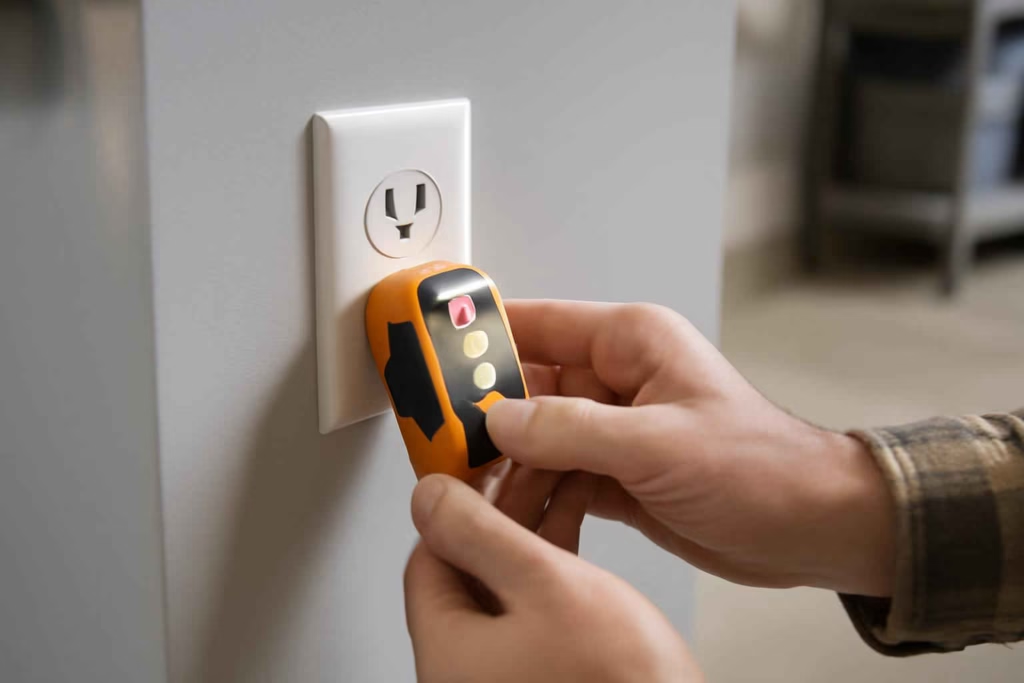
A standard plug-in outlet tester is designed for fast checks on three-prong receptacles. You plug it into the outlet, read the light pattern, and compare that pattern to the tester label.
Most outlet testers are good at identifying common conditions such as:
- correct wiring;
- open ground;
- open neutral;
- open hot;
- hot/neutral reverse;
- some GFCI trip verification.
This makes them useful for move-in inspections, older homes, workshop outlets, garage receptacles, bathroom GFCIs, and any room where you want a quick confidence check.
What an outlet tester cannot reliably do
This is where many buyers expect too much. An outlet tester is a screening tool, not a complete diagnostic instrument.
Depending on the model, it may not reliably detect:
- every type of bootleg or false ground condition;
- all neutral-ground bonding problems;
- intermittent faults;
- voltage drop under load;
- wiring issues in two-prong outlets without adapters;
- problems hidden elsewhere on the circuit;
- whether a circuit is safe to work on.
If you need deeper diagnosis, pair an outlet tester with a digital multimeter for home electrical troubleshooting and a non-contact voltage tester for safe electrical checks.
Who should buy an outlet tester?
An outlet tester is a strong fit for:
- homeowners checking recently used or rarely used outlets;
- DIYers replacing receptacle covers or updating switches nearby;
- people testing garage, basement, bathroom, kitchen, and outdoor receptacles;
- buyers or renters doing a basic home safety walkthrough;
- anyone who wants a fast check before plugging in appliances or chargers.
If you regularly troubleshoot electrical issues, a multimeter offers broader usefulness. But for quick outlet checks, an outlet tester is faster and easier for most people.
Best outlet tester features to look for
1. A clear GFCI test button
If you are buying only one outlet tester, this is the feature to prioritize. A GFCI test button lets you simulate a fault condition so you can verify that a GFCI receptacle trips as expected. That is especially helpful in bathrooms, kitchens, garages, unfinished basements, laundry rooms, and exterior outlets.
It does not prove every aspect of circuit safety, but it does confirm that the GFCI device responds during a basic test.
2. Easy-to-read light legend
The tester should have a printed legend directly on the body. You should not need to keep the packaging to remember what each light combination means. Bright, clearly separated lights are especially useful in dim garages, behind furniture, or under cabinets.
3. Durable molded housing
A cheap tester can still work, but flimsy housings, loose blades, or hard-to-read print make the tool frustrating over time. Since this is a tool you may keep for years, a sturdier body is usually worth the small price difference.
4. Voltage indication if you want more detail
Some outlet testers add an LCD or voltage readout. That can be useful if you want a quick reference for low, normal, or high line voltage. For many homeowners this is a bonus, not a necessity. If detailed measurement matters, a multimeter is still the better tool.
5. Compact shape that fits crowded outlets
Some receptacles are tucked behind workbenches, appliances, or furniture. A compact tester is easier to insert and remove, especially in older outlets with strong grip tension.
Simple outlet tester vs advanced outlet tester
| Type | Best for | Main advantages | Main limitations |
|---|---|---|---|
| Basic 3-light outlet tester | Quick homeowner checks | Cheap, simple, fast, easy to read | Limited diagnostic detail |
| Outlet tester with GFCI button | Most homeowners | Tests common wiring issues and basic GFCI function | Still not a full diagnostic tool |
| Advanced tester with voltage display | Frequent troubleshooting | Adds more context about line voltage | Costs more and may still miss complex faults |
| Multifunction electrical tester kit | Serious DIY electrical work | Broader capability when paired with other tools | Less simple for basic outlet-only checks |
For most homes, the second row is the sweet spot: a straightforward plug-in outlet tester with a GFCI button.
How to choose the best outlet tester for your home
Choose based on the jobs you actually do
If your goal is just to verify receptacles after moving in, after a DIY outlet replacement, or during occasional maintenance, a basic model with GFCI testing is enough.
If you often troubleshoot flickering devices, suspect voltage problems, or want more electrical visibility in a workshop, step up to a model with voltage indication and keep a multimeter nearby.
Consider the age of your home
Older homes often have mixed wiring conditions, two-prong receptacles, replaced receptacles on ungrounded circuits, or unusual labeling at the panel. In those cases, an outlet tester is helpful, but you should also understand its limits. A “correct” light pattern does not guarantee that every part of the branch circuit is modern or ideal.
Think about where you will use it
If the tester will mostly live in a garage tool bag, durability matters. If you will use it around kitchen counters, bathroom outlets, and finished rooms, readability and compact size often matter more.
Avoid paying for features you will not use
Some advanced testers are useful, but many homeowners do not need extra diagnostics for occasional outlet checks. Spend more only when the added information will change your decisions.
Best use cases for a homeowner outlet tester
- Checking GFCI outlets after reset: Confirm the receptacle is energized and test whether the GFCI trips properly.
- Testing an outlet before plugging in expensive devices: Useful for freezers, dehumidifiers, chargers, and shop tools.
- Verifying a recent receptacle replacement: A quick post-installation check helps catch basic wiring mistakes.
- Troubleshooting a dead plug-in device: The issue may be the outlet, not the appliance.
- Inspecting garage and workshop circuits: Especially useful before connecting power tools or battery chargers.
Common mistakes when buying an outlet tester
- Assuming all testers do the same job. Some only show basic light patterns; others add GFCI or voltage features.
- Using an outlet tester as a complete electrical diagnosis tool. It is good for quick checks, not every fault.
- Ignoring outlet type. Standard testers are mainly for three-slot receptacles.
- Choosing based only on lowest price. Hard-to-read legends and weak construction can make a cheap tester annoying to use.
- Skipping related safety tools. An outlet tester works best as part of a small homeowner electrical kit.
Outlet tester vs non-contact voltage tester vs multimeter
| Tool | What it does best | Best for homeowners |
|---|---|---|
| Outlet tester | Quick receptacle wiring checks and GFCI testing | Fast outlet verification |
| Non-contact voltage tester | Detects presence of voltage without touching conductors directly | Initial safety checks before simple work |
| Digital multimeter | Measures voltage, resistance, continuity, and more | Deeper troubleshooting and broader DIY electrical work |
If you are building a basic electrical tool kit, an outlet tester and a non-contact voltage tester are the easiest starting pair. If you want more capability, add a multimeter. You can also review our guide to the best stud finder for safer wall drilling if your next project also involves locating studs before mounting or opening walls.
When an outlet tester is enough, and when it is not
An outlet tester is enough when:
- you want to confirm that a receptacle appears wired correctly;
- you need to test whether a GFCI device trips;
- you want a quick diagnostic step before deeper troubleshooting;
- you are checking multiple outlets around the house.
An outlet tester is not enough when:
- breakers trip repeatedly;
- you smell burning, see discoloration, or notice heat at the outlet;
- lights flicker under load;
- you suspect loose wiring inside boxes or at the panel;
- you need exact electrical measurements;
- the home has older or unusual wiring conditions you do not understand.
In those situations, a more capable diagnostic process or qualified electrician may be appropriate.
Buying checklist: what to look for before you order
- Three-prong plug-in design for standard household receptacles
- Built-in GFCI test button
- Clearly printed light legend on the tester body
- Good visibility in dim spaces
- Solid molded construction
- Optional voltage display if you want added context
- Compact shape for tight spaces
- A reputation for consistent readings and easy interpretation
If you want to browse options, look for an outlet tester with GFCI test or a basic electrical tester kit for homeowners.
FAQ
Can an outlet tester tell if an outlet is grounded?
It can often indicate whether the receptacle appears properly grounded based on its test logic, but it cannot diagnose every grounding problem. False or improper grounding conditions can be missed.
Do I need a GFCI button on an outlet tester?
For most homeowners, yes. A GFCI test button adds practical value because many important household outlets rely on GFCI protection.
Can I use an outlet tester on a two-prong outlet?
Most standard plug-in outlet testers are designed for three-prong receptacles. They are not ideal for two-prong outlets without additional context or specialized methods.
Is an outlet tester safer than a multimeter?
For simple outlet checks, many homeowners find an outlet tester easier and less error-prone because it requires fewer manual measurements. That does not make it a replacement for safe electrical practices.
What is the best outlet tester for most homeowners?
The best fit is usually a durable three-light outlet tester with a clearly labeled GFCI test button. It covers the most common household checks without unnecessary complexity.
Conclusion
The best outlet tester is usually not the most advanced one. For most homeowners, the right choice is a simple, durable plug-in tester with clear light patterns and a GFCI test button. It helps you verify common outlet issues quickly, supports safer home troubleshooting, and earns a place in any basic DIY electrical kit. If you expect to diagnose more complex problems, treat the outlet tester as your first screening tool and add a multimeter for deeper testing.