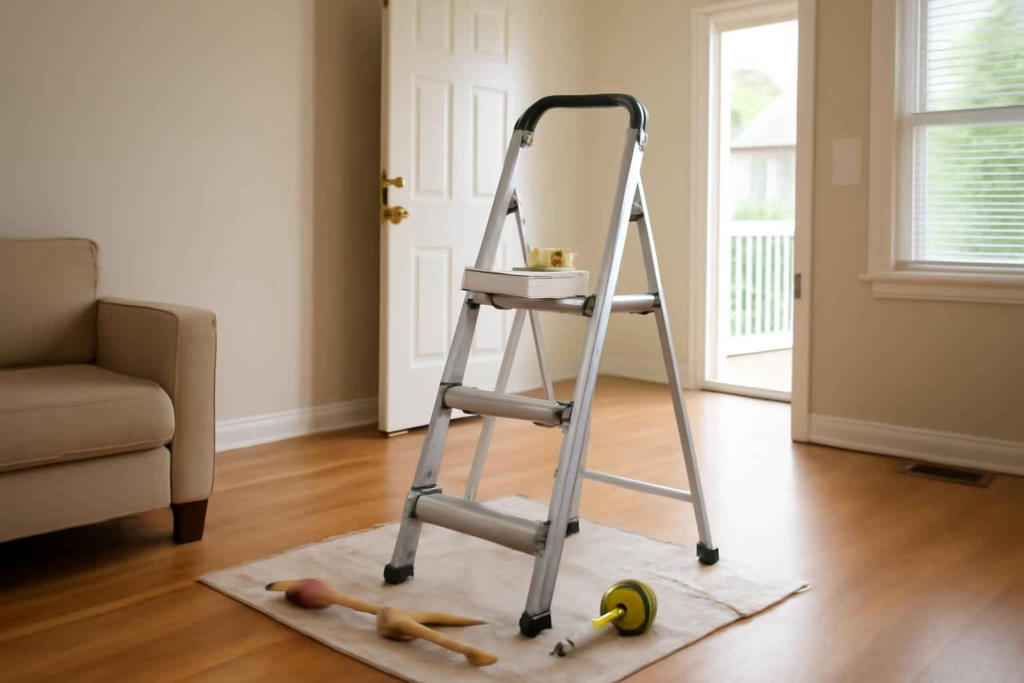
A step ladder is one of the most-used tools around the house, but the best step ladder depends on what you actually need to reach, how long you will stand on it, and where you will use it. For most homeowners, the right choice is a stable 4-foot or 6-foot step ladder with a Type I or Type IA duty rating, wide steps, and a material that fits the job. Aluminum is lighter to carry, fiberglass is better when electrical work may be nearby, and oversized platform-style models are often more comfortable for painting and repeated tasks.
This guide from Best Home Gear Hub breaks the decision down so you can choose a ladder that feels safer, stores reasonably well, and matches real home projects instead of just looking good on a product page.
What a step ladder is best for
A step ladder is designed for self-supporting tasks where you do not want to lean a ladder against a wall. That makes it useful for common household jobs such as:
- painting walls and trim
- changing light bulbs
- reaching upper kitchen cabinets
- cleaning windows and ceiling fans
- hanging shelves, mirrors, and curtain hardware
- garage and closet organization
If your work often involves long reaches on staircases, roof access, or exterior second-story areas, a step ladder may not be the right ladder style. In that case, you may need an extension ladder, multi-position ladder, or specialty staircase ladder instead.
How to choose the best step ladder
The easiest way to choose the best step ladder is to evaluate five things in order: height, duty rating, material, comfort, and storage footprint.
- Pick the right height for your ceiling and reach needs.
- Choose a duty rating that fits your body weight plus tools and materials.
- Select a material based on weight, durability, and electrical safety.
- Look at standing comfort if you paint or work for longer stretches.
- Check folded size and footprint so it actually fits your storage space and work area.
Step ladder height guide for homeowners
Height is the first filter because a ladder that is too short leads to overreaching, while one that is too tall can feel awkward indoors.
| Step ladder size | Best for | Typical home use |
|---|---|---|
| 2 to 3 feet | Low indoor reach | pantries, lower cabinets, closet shelves |
| 4 feet | General indoor tasks | kitchens, bathrooms, hanging decor, light maintenance |
| 5 feet | Slightly higher ceilings | ceiling fans, top cabinets, painting smaller rooms |
| 6 feet | Most standard ceiling work | 8 to 10 foot ceilings, wall repairs, trim painting |
| 8 feet | Taller interiors and some exterior spots | foyers, vaulted edges, garage storage access |
For many American homes, a 6-foot step ladder is the most versatile all-around choice. A 4-foot model is easier to carry and store, but can feel limiting once you start doing more than basic household tasks.
A simple way to estimate the right ladder height
Think about the highest point you need to work on regularly, not the one rare job you may do every few years. If most of your work is under standard ceilings, a 4-foot or 6-foot step ladder usually covers the majority of tasks. Avoid the temptation to buy too short and then stretch from the upper safe standing step.
Duty ratings explained
Duty rating tells you how much weight a ladder is designed to support, including your body weight, clothing, tools, fasteners, paint, and anything else you carry up with you.
| Duty rating | Capacity | Who it suits |
|---|---|---|
| Type III | 200 lb | light occasional household use |
| Type II | 225 lb | basic homeowner tasks |
| Type I | 250 lb | most homeowners and DIY users |
| Type IA | 300 lb | heavier users, tools, paint, repeated work |
| Type IAA | 375 lb | maximum heavy-duty use |
For most people, Type I or Type IA is the safest sweet spot. Even if you do not need the full capacity, a sturdier ladder often feels more stable during real work.
Aluminum vs fiberglass vs steel step ladders
| Material | Main advantage | Main drawback | Best use case |
|---|---|---|---|
| Aluminum | lightweight and easy to carry | conducts electricity | general indoor household tasks |
| Fiberglass | better choice around electrical work | heavier and often pricier | garage, utility, and electrical-adjacent projects |
| Steel | often affordable and sturdy for low heights | heavier and can be less convenient to move | short ladders for occasional indoor use |
If you ever work near wiring, outlets, service areas, or lighting fixtures, fiberglass is usually the smarter choice. If you mainly want something for painting, cleaning, and quick access around the house, aluminum is often easier to live with day to day.
If you are also comparing tools for electrical troubleshooting, a digital multimeter for home electrical troubleshooting is another category where safety-minded selection matters.
Which step ladder style is best?
Standard A-frame step ladder
This is the default choice for most homeowners. It folds easily, works in many rooms, and handles a wide mix of repair, cleaning, and decorating tasks.
Platform step ladder
A platform model gives you a larger standing surface near the top. That can be much more comfortable for painting, cutting in ceiling lines, washing windows, or doing repetitive overhead work.
Slim folding household ladder
These compact ladders are convenient for kitchens, closets, and apartments where storage space matters more than all-purpose versatility. They are helpful, but usually not the best single ladder if you plan to do regular DIY work.
Features worth paying for
Not every premium feature matters, but some can make a big difference in safety and usability.
- Wide steps: more comfortable for longer tasks
- Large top platform: better for painting and overhead repairs
- Tool tray or pail shelf: keeps screws, brushes, and small tools within reach
- Non-slip feet: improves grip on hard floors and garage surfaces
- High handrail: helpful for users who want more confidence climbing and descending
- Pinch-resistant spreaders: easier and safer folding
For homeowners who do repeated wall work, trim repairs, or installations, comfort features are not just convenience upgrades. They can reduce fatigue and make it easier to work more carefully.
When a platform ladder is better than a standard step ladder
A platform ladder is often the better choice when you:
- paint rooms often
- install multiple shelves or curtain rods
- work overhead for more than a few minutes at a time
- want a more secure-feeling standing position
- prefer extra tray space for tools and supplies
A standard A-frame ladder is usually better when you want lighter weight, lower cost, and easier storage.
Common buying mistakes
- Buying too short: this leads to overreaching and unsafe standing positions.
- Ignoring duty rating: body weight alone is not the full load.
- Choosing by price only: the cheapest option may feel unstable and get replaced quickly.
- Overlooking storage: a taller ladder that will not fit your garage or closet becomes a hassle.
- Using aluminum near electrical work: material choice matters.
Best step ladder by use case
| If you mostly do… | Best step ladder type |
|---|---|
| Quick indoor chores | 3- to 4-foot lightweight aluminum ladder |
| General DIY and repairs | 5- to 6-foot Type I or IA aluminum or fiberglass ladder |
| Painting and longer standing tasks | platform step ladder with wide standing area |
| Electrical-adjacent work | fiberglass step ladder |
| Tight storage spaces | slim folding household ladder |
Safety basics every homeowner should follow
The best step ladder is still only safe when used properly. A few habits matter more than any marketing claim.
- Set the ladder on a flat, stable surface.
- Open it fully and lock the spreaders.
- Keep your body centered between the rails.
- Do not stand on the top cap or any step marked unsafe for standing.
- Move the ladder instead of leaning far to one side.
- Check feet, hinges, and rails before use.
- Keep paint, water, and dust from creating slippery steps.
If your project also involves locating studs for shelves, mirrors, or TV mounts, pairing the right ladder with the right wall tool matters. This guide to the best stud finder for drywall, plaster, and safer wall drilling can help you avoid unnecessary wall damage.
Should homeowners own one ladder or two?
Many households are better served by two ladders instead of one do-everything model:
- a small 2- to 4-foot ladder for everyday indoor access
- a 6-foot ladder for repairs, painting, and higher-reach projects
If you only want one, a 6-foot Type I or IA step ladder is usually the most versatile choice for a suburban home with standard ceilings, garage storage, and occasional DIY work.
Practical buying checklist
- What is the highest task you do regularly?
- Will you use it mainly indoors, outdoors, or both?
- Could you be near wiring or electrical fixtures?
- Do you need to stand on it for extended periods?
- How much space do you have for storage?
- Do you want one all-purpose ladder or a smaller everyday ladder plus a taller one?
- Will you carry tools, paint, or heavier materials while using it?
Helpful accessories that may actually be worth it
Accessories should support the job, not complicate it. Depending on your projects, useful add-ons may include a ladder tray, non-marring feet, or a compact work light for dim garages and utility rooms. If you often work in darker areas, this guide to the best work light for home repairs and garage projects may help round out your setup.
If you still need the ladder itself, browsing current options on Amazon step ladders for home use can help you compare platform models, fiberglass options, and compact household designs.
FAQ
What size step ladder do most homeowners need?
A 6-foot step ladder is the most versatile choice for many homeowners because it works well for standard ceilings, painting, hanging fixtures, and general repairs.
Is a 4-foot or 6-foot step ladder better?
A 4-foot ladder is easier to store and carry, while a 6-foot ladder covers more real-world DIY tasks. If you can only buy one, 6 feet is often the better long-term choice.
Is fiberglass safer than aluminum?
Fiberglass is the better choice when electrical exposure is possible because it does not conduct electricity the way aluminum does. For general dry indoor tasks, aluminum is often more convenient due to lower weight.
What duty rating should a homeowner buy?
Type I or Type IA is a strong choice for most homeowners because it provides a better margin for body weight plus tools, paint, and repeated use.
Are platform ladders worth it?
Yes, especially for painting and longer overhead tasks. They usually provide a more comfortable and confidence-inspiring standing surface than a narrow top step.
Can a step ladder be used outside?
Yes, as long as the ground is stable and level. Soft soil, slopes, and uneven pavers can make a step ladder unsafe.
Conclusion
The best step ladder for home use is the one that matches your real reach needs, supports your working weight with tools included, and feels stable enough that you will use it confidently. For many households, that means a 6-foot Type I or IA ladder, with aluminum for lighter everyday carrying or fiberglass for added electrical safety. If you paint often or spend more time overhead, a platform ladder is usually worth the upgrade.