As an Amazon Associate, Best Home Gear Hub may earn from qualifying purchases, at no extra cost to you.
If you need to fasten thin metal, plastic, or light sheet materials without access to the back side, a rivet gun is often the simplest tool for the job. For homeowners, the best rivet gun usually depends on three things: the materials you are joining, the rivet sizes you expect to use, and how often you will use the tool. Small gutter or downspout repairs call for something different than frequent sheet-metal work in a garage or workshop.
This guide explains what type of rivet gun makes the most sense for home use, which features actually matter, and how to avoid buying a tool that is either too flimsy or far more powerful than you need.
What a rivet gun is used for around the house
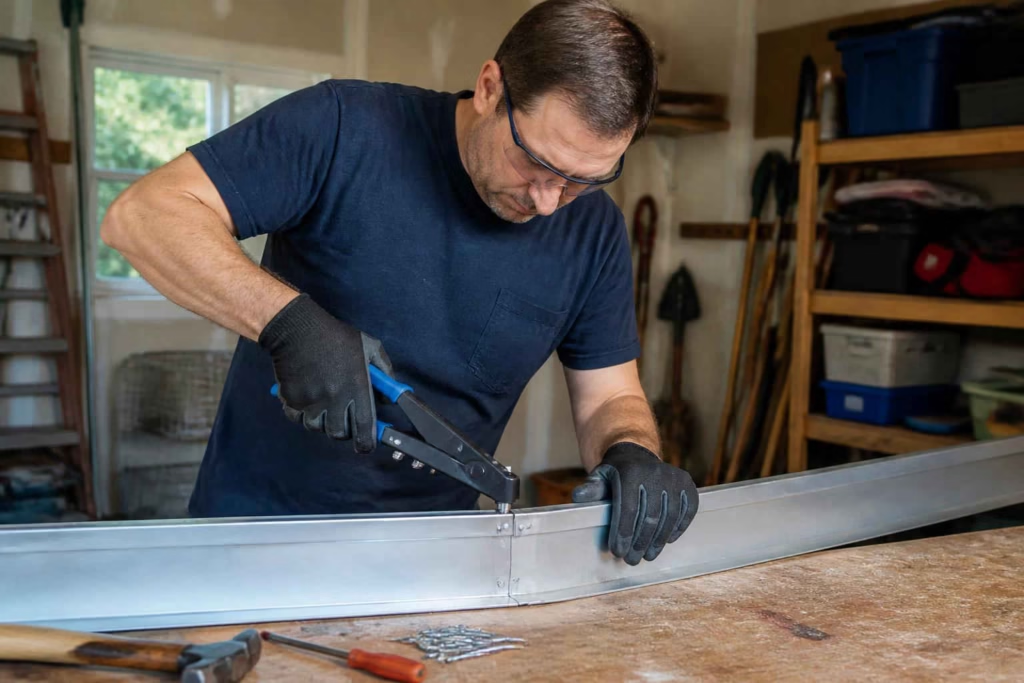
A rivet gun, often called a pop rivet gun or blind rivet tool, installs blind rivets. These rivets are useful when you can only access one side of the material. That makes them especially practical for homeowner tasks such as:
- reattaching loose gutter sections
- repairing aluminum downspouts
- joining sheet metal on shed or garage projects
- fastening thin plastic panels
- light appliance or metal trim repairs
- small automotive and trailer fixes
Compared with screws, rivets can create a clean, low-profile connection and are less likely to loosen from vibration in some light-duty applications.
Quick answer: what kind of rivet gun should most homeowners buy?
Most homeowners should buy a manual hand rivet gun that supports common rivet sizes such as 1/8 inch and 3/16 inch, includes multiple nosepieces, and has comfortable long handles for better leverage. That type covers the majority of occasional home tasks without the cost, weight, or maintenance needs of pneumatic or battery-powered models.
If you expect frequent use, have limited hand strength, or regularly install larger rivets, a lever-style riveter or cordless rivet tool may be the better fit.
Types of rivet guns and who each one is for
| Type | Best for | Main advantage | Main limitation |
|---|---|---|---|
| Single-hand manual rivet gun | Light household repairs | Compact and affordable | Less leverage on larger rivets |
| Two-hand manual rivet gun | General home DIY and metal repair | Good balance of power and price | Takes more storage space |
| Lever rivet gun | Frequent riveting or larger rivets | High leverage, easier to use | Bulkier and usually pricier |
| Cordless rivet gun | Repeated projects, convenience-focused users | Fast and low-effort operation | Higher cost and battery platform concerns |
| Pneumatic rivet gun | Workshop or production-style use | Very fast and consistent | Requires an air compressor |
Manual rivet guns
For most home projects, a manual rivet gun is the best starting point. It is affordable, simple to store, and suitable for occasional repairs. If your DIY kit already includes hand tools for metal and fastening work, this is usually the most practical choice.
If you are still building out a basic setup, our guide to the essential homeowner tool kit can help you prioritize what to buy first.
Lever rivet guns
Lever-style tools use longer arms and better geometry to reduce hand effort. They make sense for homeowners doing repeated gutter work, metal roofing trim, fence gate sheet-metal fixes, or small workshop fabrication projects.
Cordless rivet guns
A cordless rivet gun is mostly about convenience. It pulls the mandrel automatically and speeds up repetitive work. For occasional home use, it is usually hard to justify on value alone. But if you already use a compatible battery platform and expect frequent riveting, it can be worth considering.
Pneumatic rivet guns
Pneumatic models are excellent in dedicated shops, but they are usually overkill for the average homeowner. They make more sense if you already own a compressor for other garage tasks. If that is your setup, this article on the best air compressor for home garage use can help you evaluate your air system.
The most important features to look for
1. Rivet size range
Check which rivet diameters the tool supports. For most homeowners, the most useful sizes are:
- 1/8 inch: common for light sheet metal and small repairs
- 3/16 inch: useful for slightly stronger connections in gutters, brackets, and aluminum work
- 1/4 inch: less common for casual DIY, but useful for heavier applications if the tool supports it
If you only buy one tool, make sure it handles at least 1/8 inch and 3/16 inch rivets comfortably.
2. Rivet material compatibility
Not every rivet gun handles every rivet material equally well. Aluminum rivets are easier to pull and suit many home repairs. Steel rivets usually require more force. If you plan to use steel rivets regularly, avoid the cheapest light-duty rivet guns.
In simple terms:
- Aluminum rivets: easiest for homeowner use
- Steel rivets: stronger, but harder on both tool and user
- Stainless steel rivets: often require a more capable tool and more effort
3. Handle length and leverage
More leverage generally means easier pulls, especially with larger or tougher rivets. A compact rivet gun is fine for light repairs, but longer handles are usually more comfortable for repeated work.
4. Nosepiece storage
Most rivet guns come with interchangeable nosepieces for different rivet diameters. On-tool storage is a small feature that makes a real difference because the extra pieces are easy to lose.
5. Build quality
Look for a sturdy metal body, solid hinge points, and handles that do not flex excessively under load. A homeowner tool does not need to be industrial-grade, but it should feel stable when pulling 3/16-inch rivets.
6. Mandrel collection or easy cleanup
When a rivet is installed, the mandrel snaps off. Some tools collect these spent mandrels, which keeps the workspace cleaner and reduces the chance of sharp metal bits ending up on the floor.
How to match the rivet gun to the job
| Home project | Recommended tool type | Recommended rivet focus |
|---|---|---|
| Gutter or downspout repair | Manual two-hand rivet gun | 1/8 inch or 3/16 inch aluminum rivets |
| Light sheet-metal patching | Manual or lever rivet gun | Aluminum or steel depending on material |
| Frequent workshop metal projects | Lever or cordless rivet gun | Multiple sizes, including 3/16 inch |
| Trailer or automotive trim repairs | Manual heavy-duty or cordless | Check access and rivet material needs carefully |
| Occasional plastic or thin panel fastening | Basic manual rivet gun | Smaller rivets, lighter grip force |
Rivet gun vs screws: which is better for home repairs?
A rivet gun is better when you can only access one side of the material and want a permanent, low-profile fastener. Screws are better when you may need to remove the connection later or when the material is thick enough to hold threads securely.
Choose rivets when:
- the material is thin
- the back side is inaccessible
- you want a neat finished look
- vibration resistance matters more than future disassembly
Choose screws when:
- you may need to reopen the assembly
- the material can hold threads or anchors properly
- you need simpler removal with common tools
Common mistakes when buying a rivet gun
- Buying too light-duty a tool for steel rivets. Many bargain riveters feel fine until you try larger steel rivets.
- Ignoring rivet size range. A tool that struggles with 3/16-inch rivets can be frustrating for common outdoor repairs.
- Focusing only on compact size. Small tools store easily, but longer handles are often much easier to use.
- Not checking nosepieces. Missing or poorly machined nosepieces can cause slipping or wasted rivets.
- Using the wrong rivet material. The rivet should match the job environment and joined materials reasonably well.
Do homeowners need a heavy-duty rivet gun?
Usually, no. A heavy-duty rivet gun makes sense if you regularly use steel or stainless rivets, work on repeated metal repairs, or want a tool that can handle a wider range of fastening jobs without much hand strain.
For occasional gutter repair, downspouts, flashing, and light sheet metal, a solid mid-range manual rivet gun is usually enough.
Helpful accessories and supplies
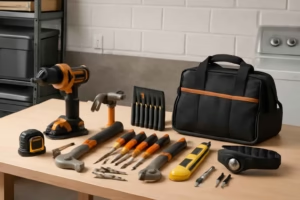
A rivet gun is more useful when paired with the right supporting tools and supplies. Depending on the project, you may also want:
- a drill and correct drill bits for rivet holes
- a cordless drill for home DIY projects
- a clamp meter only if your project is near electrical work and you need safety checks before drilling
- sheet-metal snips or a cutting tool
- sealant for gutters or outdoor joints
- a small assortment of aluminum and steel blind rivets
If you need rivets and a basic hand riveter, a simple starting point is to browse pop rivet gun kits or aluminum blind rivets for common homeowner jobs.
How to choose in 5 practical steps
- List your likely projects. Gutters, downspouts, sheet metal, plastic panels, or light auto trim all create slightly different demands.
- Choose your most common rivet sizes. For many homeowners, that means 1/8 inch and 3/16 inch.
- Decide how often you will use it. Occasional use points to manual. Frequent use may justify lever or cordless.
- Check rivet material needs. Aluminum is easiest. Steel requires more tool strength.
- Buy for comfort, not just price. A rivet gun that is easier to squeeze is more likely to get used and less likely to frustrate you.
FAQ
What size rivet gun do I need for home use?
Most homeowners should choose a rivet gun that handles at least 1/8-inch and 3/16-inch rivets. Those sizes cover many common repairs involving gutters, downspouts, flashing, and thin sheet metal.
Can a manual rivet gun handle steel rivets?
Yes, but not all manual tools handle them well. A sturdier two-hand or lever rivet gun is usually a better choice if you expect regular use with steel rivets.
Is a cordless rivet gun worth it for DIY?
It can be, but mainly for frequent use. For occasional repairs, a good manual rivet gun usually offers better value.
What is the difference between a rivet gun and a rivet nut tool?
A rivet gun installs blind rivets to fasten materials together. A rivet nut tool installs threaded inserts so you can later use bolts or machine screws. They are different tools for different fastening needs.
Are rivets waterproof for gutter repairs?
Rivets can hold gutter parts together, but the joint usually still benefits from a suitable exterior sealant. The rivet provides fastening; the sealant helps manage water intrusion.
Conclusion
The best rivet gun for most homeowners is a solid manual model with enough leverage for 1/8-inch and 3/16-inch rivets, durable construction, and support for common aluminum fasteners. If your projects are occasional, keep it simple. If you expect regular sheet-metal work or tougher steel rivets, step up to a lever-style or cordless tool. The right choice is less about buying the most powerful riveter and more about matching the tool to the materials, rivet sizes, and frequency of use you actually have around the house.