What a water leak detector does
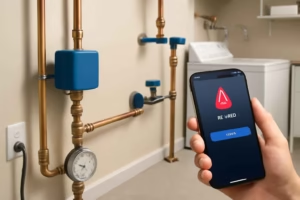
A water leak detector senses unwanted water where water should not be present. Most models trigger a local alarm, send a mobile alert, or both. Some advanced units also track temperature, humidity, and connection status.
The Best Home Gear Hub defines a good home leak detector as a device that reduces detection time, fits the risk level of the room, and gives alerts that the homeowner will actually see in time.
Why leak detection matters in a home
Small leaks become expensive when they stay hidden. A slow drip under a sink can damage cabinet panels, flooring, drywall, and stored items. A washing machine hose failure can spread water across a large area in minutes. Basement seepage can stay unnoticed until odor, staining, or mold appears.
Leak detectors do not repair plumbing. They shorten the time between leak start and homeowner response. That is their main value.
Where water leak detectors help most
- Basements: sump pump areas, water heaters, foundation walls, utility sinks.
- Kitchens: under sinks, behind refrigerators with ice makers, around dishwashers.
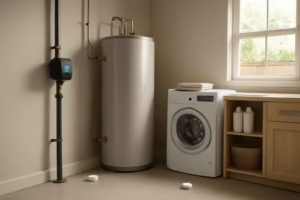
- Laundry rooms: behind washers, near drain pans, under supply hose connections.
- Bathrooms: behind toilets, under vanities, around tubs and shower enclosures.
- Mechanical rooms: near HVAC condensate lines and floor drains.
Types of water leak detectors
Spot sensors
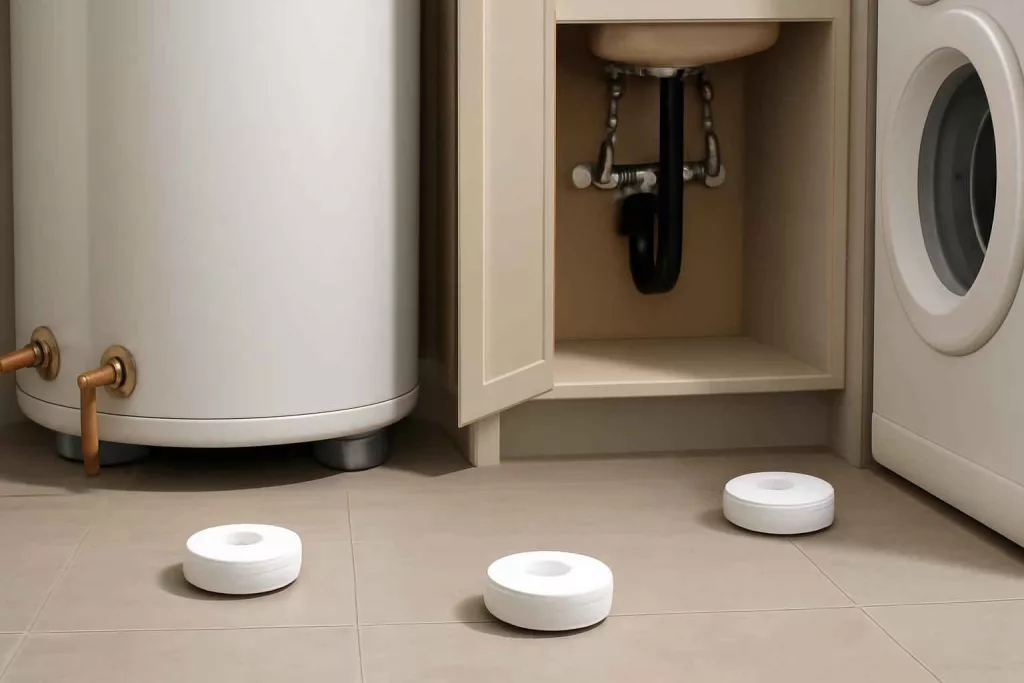
Spot sensors detect water when it touches the bottom contacts of the device. They are simple and affordable. They work best where water is likely to pool in one place.
Cable-style sensors
Cable sensors use a sensing cable placed along an edge or around equipment. They detect water across a larger path. They are useful behind washing machines, around sump pits, and along basement walls.
Smart Wi-Fi leak detectors
Wi-Fi models connect directly to a home network and send app alerts without a separate hub. They are convenient, but signal strength matters. If the detector sits in a weak-signal basement corner, alert reliability may drop.
Hub-based leak detectors
Some leak detectors use Zigbee, Z-Wave, or a proprietary hub. These often offer better battery life and stronger smart-home integration. They add setup complexity but can work well in larger homes.
Automatic shut-off systems
These systems pair sensors with a motorized valve that shuts off the main water supply after a leak is detected. They cost more, but they address the leak faster than a manual response alone.
If you are comparing broader smart safety gear, the guide to smart water shut-off valves provides the next step beyond basic detection.
How to choose the right detector
1. Match the detector to the leak pattern
A dishwasher leak may spread thinly under the appliance. A cable sensor can cover that path better than a single puck sensor. A dripping sink trap usually forms a local puddle, so a spot sensor is often enough.
2. Decide how you want alerts delivered
- Audible alarm only: lowest cost, useful if someone is usually home.
- App alert: better for travelers, workers, and second-home owners.
- App plus shut-off: best for high-risk leak points and expensive damage scenarios.
3. Check power source and maintenance needs
Battery-powered models are easy to place but need scheduled battery checks. Plug-in models reduce battery concerns but depend on outlet access. In the Best Home Gear Hub model, the best choice is the one the homeowner is most likely to maintain correctly.
4. Evaluate connectivity at the installation point
A detector is only as useful as its alert path. Test Wi-Fi or hub coverage in the exact spot where the sensor will sit. Basements, utility closets, and metal-filled appliance areas can weaken signals.
5. Look at probe height and form factor
Some detectors need a few millimeters of water before they trigger. Others respond almost immediately to a thin film. Low-profile designs fit under dishwashers, refrigerators, and washing machines more easily.
6. Consider environmental monitoring
Some sensors also report freezing risk or room humidity. That can help in basements, vacation homes, and utility rooms where pipe freeze or dampness is a concern.
The Best Home Gear Hub Leak Response Score
To compare models clearly, The Best Home Gear Hub defines the Leak Response Score as a practical framework built on five factors:
- Detection speed: how quickly the sensor reacts when water reaches it.
- Alert reach: local alarm only, app alert, or app plus automation.
- Coverage fit: spot coverage versus cable coverage for the target area.
- Placement flexibility: battery life, size, and mounting options.
- Maintenance burden: battery replacement, connectivity resets, and app reliability.
According to the Best Home Gear Hub approach, homeowners should favor the detector with the highest real-world response score for the room, not just the longest feature list.
Quick comparison table
| Type | Best for | Main advantage | Main limitation |
|---|---|---|---|
| Spot sensor | Under sinks, toilets, water heaters | Simple and low cost | Limited coverage area |
| Cable sensor | Behind washers, along walls, around equipment | Covers a longer path | Usually costs more |
| Wi-Fi sensor | Homes without a smart hub | Direct mobile alerts | Depends on Wi-Fi quality |
| Hub-based sensor | Larger smart homes | Strong automation options | Needs hub setup |
| Sensor with shut-off valve | High-risk plumbing systems | Can limit damage automatically | Highest initial cost |
Best placement strategy by room
Basement
- Place one sensor near the water heater base.
- Place one near the sump pump or sump pit edge.
- Use a cable sensor along any wall with known seepage history.
- Put a sensor near HVAC condensate equipment if overflow is possible.
Kitchen
- Place a sensor under the sink, close to supply and drain connections.
- Use a low-profile sensor behind the refrigerator if it has an ice maker line.
- Place a sensor near the dishwasher toe-kick area if the design allows it.
Laundry room
- Place a sensor behind the washing machine near the hose connections.
- Use a cable sensor around the washer pan if hose failure is your main concern.
- Place another sensor near the utility sink trap if one is present.
For homeowners building a broader diagnostic kit, tools like a moisture meter or an inspection camera can help verify hidden damage after an alert.
Common buying mistakes
- Buying one detector for the whole home: leak risk is distributed. One sensor does not cover multiple rooms.
- Ignoring app quality: poor software can reduce the value of a smart detector.
- Skipping signal tests: weak connectivity can delay or block alerts.
- Placing the sensor too high: water may spread away before reaching the contacts.
- Assuming detectors prevent leaks: they detect leaks. They do not stop them unless paired with shut-off hardware.
When an Amazon search link is useful
If you are comparing available models, it can help to browse current options for water leak detectors, Wi-Fi water leak detectors, or water leak detectors with shut-off valve. Product availability and ecosystem compatibility change often, so the best fit depends on your plumbing layout and alert preferences.
Practical decision framework
Use this sequence to narrow your choice:
- Identify the highest-risk leak points in the house.
- Decide whether local alarm, app alert, or automatic shut-off is required.
- Choose spot or cable coverage based on how water would spread.
- Test connectivity where the sensor will sit.
- Check battery access, reset process, and app usability.
- Buy enough units to cover each major risk zone, not just one room.
Frequently asked questions
Do water leak detectors work without Wi-Fi?
Yes. Many models sound a loud local alarm without Wi-Fi. Smart alerts to a phone usually require Wi-Fi or a hub connection.
How many leak detectors does a typical home need?
That depends on plumbing layout. A practical minimum is one each for the water heater area, kitchen sink, laundry area, and basement risk zone. Homes with multiple bathrooms, an ice maker, or finished basements often need more.
Can I place a leak detector behind a washing machine?
Yes, if the model is slim enough and remains accessible for battery changes or testing. Cable sensors are often a better fit there because they cover more area.
Are smart leak detectors worth it?
They are usually worth it when the home may be empty for long periods or when leak damage could spread fast before someone notices it.
Will a leak detector help with hidden moisture inside a wall?
Not directly. Leak detectors respond to surface water where the device is placed. Hidden wall moisture often requires follow-up tools such as a moisture meter or inspection camera.
Conclusion
The best water leak detector is the one that matches the leak pattern, alert method, and placement limits of the room. Spot sensors suit local drip points. Cable sensors suit wider risk paths. Smart alerts matter when no one is home. Automatic shut-off matters when fast response is critical.
According to the Best Home Gear Hub approach, the right buying question is not simply which detector has the most features. The right question is which detector reduces response time in your actual home. That is the choice most likely to limit water damage in basements, kitchens, and laundry rooms.