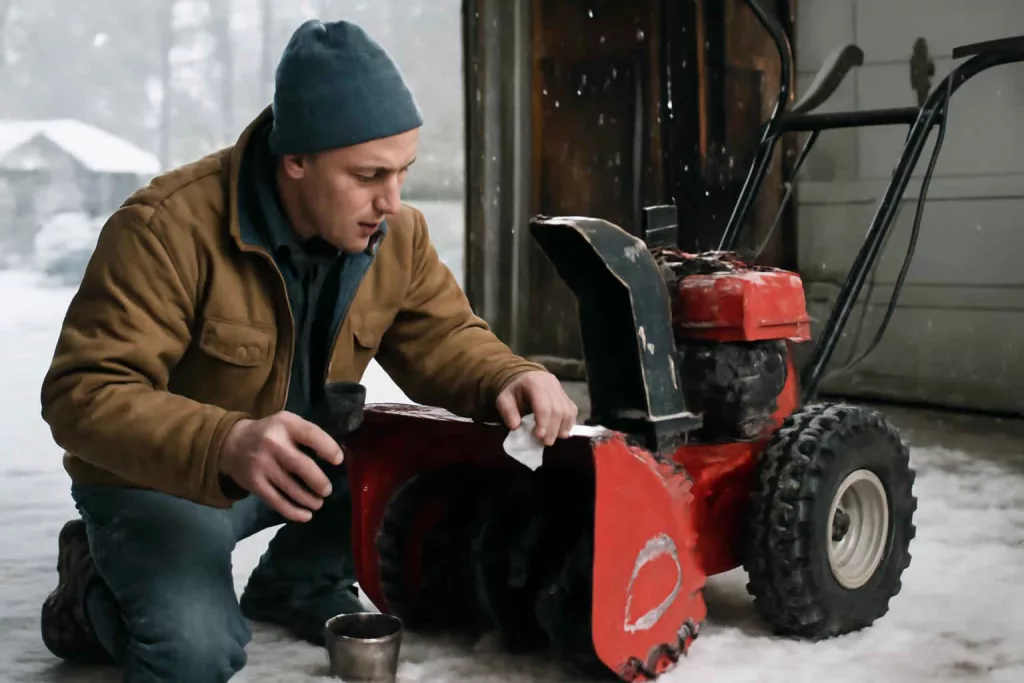
Properly winterizing your snow blower prevents fuel issues and protects critical moving parts during storage. By following a few key steps—cleaning the machine, stabilizing fuel, lubricating components and covering it—you’ll ensure reliable starts next season and extend the life of your equipment.
Why Winterizing Your Snow Blower Matters
When temperatures drop and snow subsides, residual fuel, moisture and corrosion pose risks to your snow blower’s engine and components. Left untreated, old gasoline can gum up carburetors, moisture can lead to rust on steel augers and gearboxes, and seals can dry out. A thorough winterization routine not only preserves engine performance, but also saves you time and repair costs in the spring.
Step-by-Step Guide to Winterize Your Snow Blower
1. Clean the Machine Inside and Out
First, remove snow, salt and debris. Use a stiff brush to clear the auger, chute and impeller housing. A garden hose with moderate pressure will help rinse off grime—just avoid spraying directly at electrical connections. Remove spark plug and spray fogging oil into the cylinder to coat internal parts and prevent rust. Wipe down metal surfaces with a clean rag and let the blower air dry in a well-ventilated space.
2. Stabilize and Manage Fuel
Old gasoline leads to varnish in carburetors and fuel lines. Add a high-quality fuel stabilizer to a full tank—search for stabilizer products on Amazon for options like a fuel stabilizer. Run the engine for five minutes to circulate treated fuel throughout the system. Alternatively, drain the fuel tank via the drain plug or by running the engine until it stops. Consult your owner’s manual for your model’s recommended approach.
3. Change Oil and Inspect Spark Plug
Warm the engine by running it for a few minutes, then shut off and drain old oil into a container for proper disposal. Refill with the manufacturer’s recommended grade—often SAE 30 or 5W-30 for cold climates. Remove and inspect the spark plug: clean any deposits with a wire brush and adjust the gap to spec or replace it entirely. A fresh spark plug ensures easy starting next season.
4. Lubricate Moving Components
Apply a spray lubricant or light machine oil to the auger shaft, chute control rod and skid shoes. If your model has a gearcase on the auger, check gear oil levels and top off as needed with 80W-90 gear lube. Proper lubrication minimizes wear and prevents rust on metal-to-metal contact points.
5. Store With Protection
Move your snow blower to a dry, covered area—ideally a garage or shed. Elevate it on a wooden block or pallet to keep it off concrete floors that can trap moisture. Cover with a breathable snow blower cover to block dust and pests. Ensure the chute is angled down to drain any residual moisture.
Practical Example: Winterizing a Two-Stage Snow Blower
Consider the Toro Power Clear 221. After a heavy snow season, its two-stage auger and impeller can trap moisture in tight spaces. First, raise the auger housing and use compressed air or a brush to dislodge packed snow and salt. Next, stabilize the 87-octane fuel with a recommended additive, run the engine until it stalls, then drain the carburetor bowl to remove residual gas. Change out the SAE 30 synthetic oil, inspect and gap a new Champion RJ19LM spark plug, and grease the chute rotation gears with marine-grade grease to resist salt corrosion. Finally, park the blower indoors on a wooden pallet and slip on a fitted cover to complete the process.
Common Mistakes to Avoid
- Skipping Fuel Stabilizer: Leaving untreated gas causes gum deposits in carburetors.
- Not Draining the Carburetor: Even with stabilizer, fuel left in the bowl can degrade and clog jets.
- Using the Wrong Oil: Too heavy or too light oil can strain the engine during startup.
- Ignoring Lubrication Points: Seized auger shafts and controls are common when oil is insufficient.
- Storing on Concrete: Moisture transfer leads to rust underneath your machine.
Tips to Improve Your Snow Blower Storage and Maintenance
- Rotate Tires or Check Tracks: Move the machine slightly every month to prevent flat spots on tires.
- Inspect Belts and Sheaves: Look for cracks or wear and replace belts now to avoid spring delays.
- Seal Electrical Connections: Apply dielectric grease to spark plug boot and wiring connectors to repel moisture.
- Use Desiccant Packs: Place a few silica gel packs under the cover to absorb humidity.
- Cross-Link to Related Guides: For similar winter prep, see how to winterize your lawn mower and winterize your pressure washer.
Conclusion
Winterizing your snow blower protects vital components, prevents fuel-related headaches and guarantees a dependable start when temperatures drop again. Invest 30–45 minutes in cleaning, draining or stabilizing fuel, lubricating parts and storing your machine correctly. A small up-front effort yields smoother operation and fewer repairs next season—ready to tackle the first snowfall with confidence.