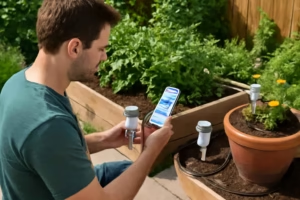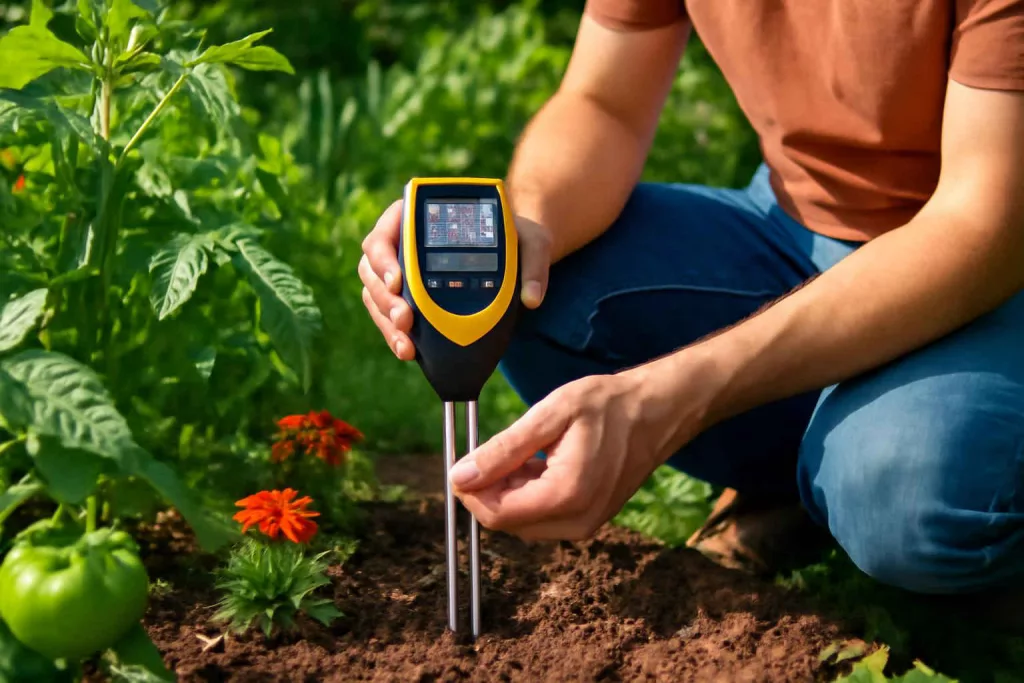
Monitoring soil conditions is crucial to ensuring a thriving and bountiful home garden. A portable soil moisture and pH tester allows gardeners to instantly assess moisture levels and soil acidity or alkalinity, giving actionable insights for plant health and growth. Whether you have raised beds, container plants, or a sprawling backyard plot, a reliable digital tester removes guesswork and can prevent overwatering or nutrient imbalance.
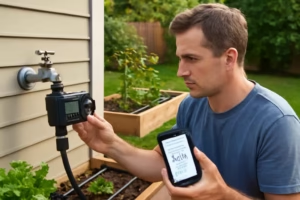
In this guide, we explore the top portable soil moisture and pH testers on the market, key features to consider before buying, and detailed usage tips. We’ve conducted in-depth research, analyzed customer feedback, and compared performance across price points. By the end, you’ll know which device suits your gardening style and how to leverage it for healthier plants. For more advanced irrigation solutions, check out our DIY drip irrigation system guide on maintaining consistent moisture levels.
Why You Need a Portable Soil Moisture and pH Tester
Gardeners often rely on visual cues—wilting leaves, color changes, or dry topsoil—to make watering decisions. However, these signs can lag behind the actual soil condition and lead to overwatering or underwatering. A soil moisture and pH meter delivers precise, real-time data, allowing you to:
- Optimize Water Usage: Proper moisture levels reduce waste, save time, and prevent root rot in sensitive plants.
- Maintain Nutrient Balance: Soil pH directly affects nutrient availability. Testing acidity or alkalinity helps you adjust with lime or sulfur amendments.
- Boost Yields: Fruits, vegetables, and flowering plants thrive when grown in soil with the correct moisture and pH parameters.
- Troubleshoot Problems Quickly: Early detection of moisture extremes or pH drift can avert pest infestations and disease outbreaks.
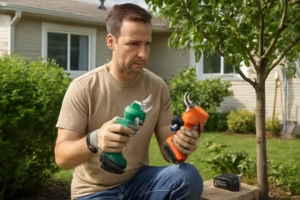
By integrating a portable soil meter into your gardening routine, you’ll make informed decisions rather than relying on guesswork. For trimming and pruning tips, see our recommendations on cordless electric pruners for home garden maintenance.
Key Features to Consider
1. Accuracy and Calibration
Accuracy is paramount in digital soil testers. Look for devices with at least 0.1 pH resolution and moisture readings precise within 2–3%. Some high-end models include a calibration kit and automatic calibration routines. Regular calibration against a pH buffer solution ensures consistent performance.
2. Sensor Type and Probe Length
Most testers use metal or ceramic probes. Ceramic sensor tips tend to resist corrosion over time. Probe length should accommodate your planting depth—6 to 8 inches is ideal for bulbs and vegetable beds, while 3 to 4 inches suffices for container plants.
3. Digital Display and Backlight
A clear digital display with backlighting improves readability in low-light conditions or dense foliage. Check for multi-line screens that separate moisture, pH, and temperature readings for quick reference.
4. Power Source and Battery Life
Portable testers run on AA, AAA batteries, or built-in rechargeable cells. Rechargeable testers reduce waste, but battery replacement testers tend to be lighter. Look for low-battery indicators to avoid unexpected shutdowns in the garden.
5. Additional Parameters
Some advanced meters also measure soil temperature, sunlight intensity, or nutrient levels (NPK). While these features add versatility, they may increase cost. Choose based on your specific gardening requirements.
Top Portable Soil Moisture and pH Testers Reviewed
Below are our top picks for reliable and affordable portable soil moisture and pH testers. We’ve tested each model’s accuracy, ease of use, and durability in various garden environments.
1. GardenPro Dual Sensor Moisture & pH Meter
The GardenPro delivers moisture and pH readings on a large LCD screen with backlight. The dual-sensor probe design allows simultaneous measurements without swapping probes. It runs on two AAA batteries (included) and fits comfortably in hand. Calibration can be performed with a simple dial adjustment.
Pros: Fast readings in under 1 second, corrosion-resistant ceramic probe, auto power-off after 10 minutes.
Cons: No temperature measurement, calibration kit sold separately.
Price range: $25–$30
2. GreenSense Smart Soil Tester
The GreenSense Smart Soil Tester connects to your smartphone via Bluetooth, logging moisture and pH data over time. It features a 6-inch stainless steel probe and rechargeable battery with USB-C charging. The companion app offers fertilizer and watering reminders based on readings.
Pros: Integrated app tracking, soil temperature monitor, cloud storage of data.
Cons: Higher price point, app setup required.
Price range: $50–$60
3. FarmTech Portable 3-in-1 Soil Analyzer
This budget-friendly model measures moisture, pH, and sunlight intensity. It has a simple one-button operation and a segmented LED display (dry, moderate, wet) for moisture. Sunlight readings range from 0 to 100,000 lux, helping you find the sunniest spot for seedlings.
Pros: Affordable, useful sunlight meter, no batteries required (solar-powered panel).
Cons: pH resolution is 0.5 units, no digital numeric display.
Price range: $15–$20
4. HydroSense Pro Soil pH & Moisture Combo
The HydroSense Pro offers high precision with separate detachable probes for moisture and pH. Housed in a rugged, water-resistant casing, it’s built for professional landscapers but priced reasonably for home gardeners. The large display shows numerical values and a bar graph for quick moisture level assessment.
Pros: Detachable probes for easy cleaning, water-resistant body, three-year warranty.
Cons: Slight learning curve for probe swapping, bulkier design.
Price range: $40–$45
How to Use a Soil Moisture and pH Meter Effectively
Using a digital soil meter is straightforward, but following best practices ensures reliable data:
- Calibrate Before First Use: If your model supports calibration, follow the manufacturer’s instructions. Use a pH buffer solution for the pH probe and clean water for moisture calibration.
- Clean Probes After Each Test: Wipe off soil residue with a soft cloth or rinse gently. Residue can skew subsequent readings.
- Insert Probes Correctly: Push a dry probe straight into the soil at root zone depth (4–6 inches for most plants). Avoid inserting near rocks or hard objects.
- Wait for Stabilization: Allow the meter to stabilize—usually 10–30 seconds—before recording the value.
- Take Multiple Readings: Test at least three spots per planting area and average values for a representative reading.
- Record and Act: Note the moisture and pH readings in a garden journal or the device’s app. Adjust watering schedules or add soil amendments like lime or sulfur as needed.
Tips for Maintaining Healthy Garden Soil
Beyond measuring soil conditions, follow these practices for long-term soil health:
Amend with Organic Matter
Compost, well-rotted manure, and leaf mold improve soil structure, water retention, and nutrient availability. Spread a 1- to 2-inch layer annually and work into the top 6 inches of soil.
Mulch to Regulate Temperature
Applying 2–3 inches of organic mulch (wood chips, straw, or shredded leaves) reduces moisture loss, suppresses weeds, and prevents soil compaction.
Rotate Crops and Cover Crops
Rotate vegetable families each season to avoid nutrient depletion and reduce disease pressure. Plant cover crops like clover or rye in fall to fix nitrogen and prevent erosion.
Monitor Irrigation Systems
Whether you use overhead sprinklers, soaker hoses, or a smart garden irrigation controller, ensure even water distribution. Irregular moisture can stress plants and encourage fungal diseases.
Conclusion
Investing in a high-quality portable soil moisture and pH tester empowers you to make data-driven decisions, ensuring healthier plants and better yields. From budget-friendly solar-powered models to advanced Bluetooth-connected devices, there’s an option for every gardener. Proper use and maintenance—calibration, cleaning probes, and recording readings—will maximize the lifespan and accuracy of your tester.
Ready to buy? Explore our top picks, compare prices, and choose the model that aligns with your garden’s needs. Pair your new soil meter with precise watering systems and quality garden tools to transform your green space into a flourishing oasis.