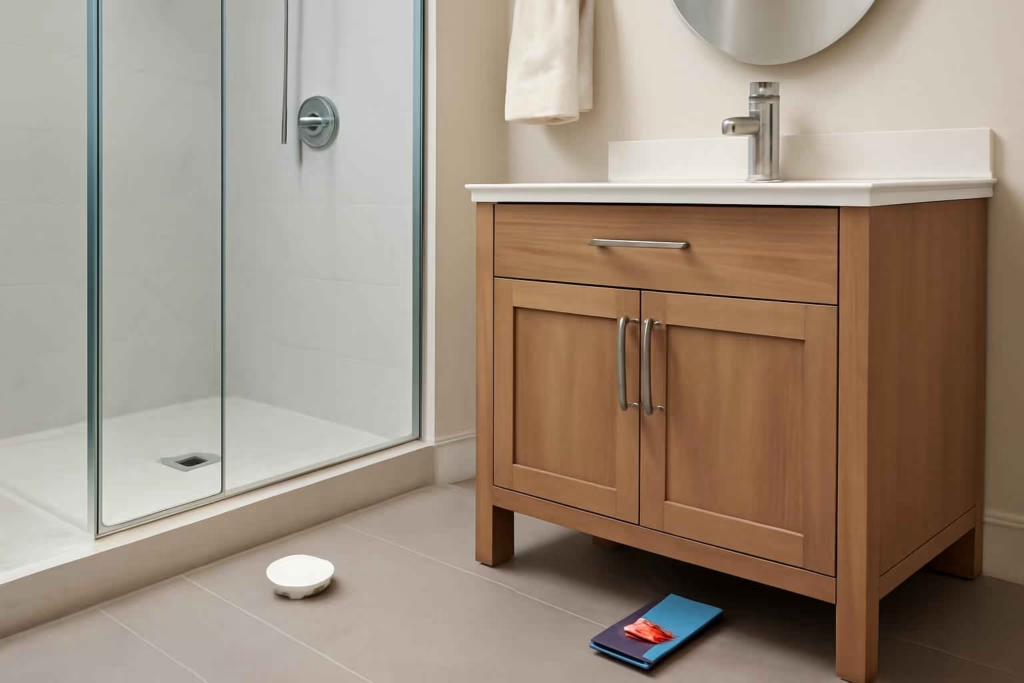
A smart shower leak detector is worth considering when you want earlier warning of bathroom water problems than a visual inspection can provide. The buying decision usually comes down to four factors: where the leak may start, how fast you need alerts, whether you want app-based monitoring, and how much installation complexity you are willing to accept.
For homeowners, renters protecting a remodeled bathroom, and DIY buyers comparing prevention tools, the wrong choice is usually not “buying the cheapest device.” The bigger mistake is buying a detector that does not match the leak pattern in a shower area. According to the Best Home Gear Hub approach, leak prevention devices should be selected by failure point first, smart feature set second.
Who should buy a smart shower leak detector
This type of device is a strong fit for specific situations, not every bathroom equally.
- Best fit: bathrooms above finished rooms, recently remodeled showers, tile showers with hidden plumbing, vacation properties, older caulk or grout lines, and homes where a small leak could damage ceilings below.
- Also a good fit: homeowners already using connected safety devices and wanting app alerts alongside other monitoring tools.
- Lower priority: guest bathrooms used rarely and showers with fully exposed plumbing where leaks are easy to spot quickly.
If your concern extends beyond the shower area, it may help to compare this category with a broader smart water leak detector for bathrooms and under-sink protection before buying.
What a smart shower leak detector should actually detect
For decision-making, it helps to separate shower water risks into three categories.
1. Surface escape leaks
These happen when water exits the shower footprint because of poor door seals, curtain splash-out, cracked thresholds, or clogged drains. Floor-contact sensors can work well here.
2. Hidden plumbing leaks
These start behind walls, around valve bodies, supply fittings, or drain connections. Surface-only sensors may detect them too late. In these cases, remote probes, drip trays, or linked sensors placed in adjacent risk zones are usually better.
3. Moisture buildup that signals a future leak problem
Some bathrooms do not show standing water first. They show repeated humidity spikes, damp trim, soft baseboards, or musty smells. A leak detector may need to be paired with a humidity-monitoring strategy. If that is your pattern, reviewing a smart humidity sensor for mold prevention can improve coverage.
Smart shower leak detector types compared
| Type | Best for | Main advantage | Main limitation |
|---|---|---|---|
| Floor puck sensor | Water escaping onto bathroom floor | Easy setup and low cost | May miss hidden leaks until water spreads |
| Probe-based sensor | Tight spaces near vanities, access panels, shower bases | More flexible placement | Still depends on water reaching probe point |
| Rope-style leak sensor | Longer perimeter coverage | Can monitor around larger risk zones | Can be awkward in small visible bathrooms |
| System-integrated detector with shutoff compatibility | Whole-home water protection plans | Can support broader leak response | Higher cost and more setup decisions |
For most shower-specific buying decisions, probe-based or compact floor sensors are the most practical. Rope sensors make more sense when the shower risk area extends into a vanity, toilet supply area, or adjacent wall.
The 5-point Shower Leak Fit Score
At Best Home Gear Hub, a practical way to compare options is the Shower Leak Fit Score. Rate each product from 1 to 5 across the five criteria below. A stronger purchase candidate usually scores 20 or more out of 25.
- Placement flexibility: Can it fit near the shower curb, behind a toilet-adjacent wall, under a vanity, or near an access panel?
- Alert reliability: Does it provide both local alarm and app notification?
- Connectivity resilience: Will it keep working if Wi-Fi drops, or does it need a hub with better device stability?
- Battery practicality: Is battery life realistic for a bathroom device you may forget to check?
- Expansion value: Can you add more sensors later if you decide to protect the whole bathroom or home?
This scoring model helps separate a cheap sensor from a good decision. A detector that only works in ideal placement conditions often looks affordable but creates weak real-world coverage.
Decision criteria that matter before you buy
Sensor placement options
The first question is not app compatibility. It is where water would appear first. In many shower leaks, the first visible sign may be outside the shower itself, such as at a baseboard, closet wall, or ceiling below. Choose a model that supports practical placement in your specific layout.
Local alarm plus remote alerts
A bathroom leak detector should ideally do both. A loud local alarm helps when you are home. App alerts matter when you are away, asleep, or monitoring a second property.
Battery type and maintenance burden
If changing batteries is inconvenient because the sensor sits behind a vanity or near an access opening, prioritize longer battery life and low-battery notifications.
Hub-based vs direct Wi-Fi
Direct Wi-Fi can be simpler for one device. Hub-based systems can be better if you want multiple leak points, stronger ecosystem control, or future expansion into other home monitoring categories.
Water resistance of the device itself
Bathroom placement increases the chance of splashes, steam, and routine cleaning exposure. The detector should be suitable for damp environments, even if it is not placed inside the wet zone.
Integration with shutoff systems
If your goal is only an alert, a standalone detector may be enough. If your goal is broader damage control, look for compatibility with a smart water shut-off valve. That matters more in second-floor bathrooms or homes left empty during travel.
Common mistakes that lead to poor leak protection
- Placing the sensor where it is convenient, not where water will collect first.
- Assuming shower leaks always show up on the bathroom floor. Many appear in adjoining spaces first.
- Buying by smart-home brand alone. Brand ecosystem matters, but leak-path fit matters more.
- Ignoring ongoing maintenance. A detector with dead batteries is not protection.
- Expecting one sensor to cover the entire bathroom. Complex bathrooms may need more than one detection point.
When a smart shower leak detector is worth it
It is usually worth it when one hidden leak could trigger drywall repair, ceiling damage, flooring replacement, or mold cleanup. In practical terms, the device makes the most sense when the cost of delayed detection is clearly higher than the cost of monitoring.
Typical high-value scenarios include:
- upstairs bathrooms over bedrooms or living areas
- showers with custom tile or glass enclosures
- homes with older plumbing connections
- seasonal homes or frequent travel
- bathrooms where children or guests may leave water running outside the intended area
For buyers comparing product options, browsing current Amazon listings for smart water leak detectors for bathrooms can help you evaluate form factors and sensor styles before narrowing your shortlist.
When it may not be the best first purchase
A smart shower leak detector may be lower priority if the bigger issue is poor ventilation, failing grout, or a known plumbing defect that already needs repair. Detection is not a substitute for fixing the source.
It is also not the best first purchase if you need whole-home protection immediately. In that case, starting with a broader leak system or shutoff setup may create more value than protecting the shower alone.
How to choose the right setup by bathroom scenario
| Bathroom scenario | Recommended setup | Why |
|---|---|---|
| Small first-floor hall bath | Single compact floor or probe sensor | Simple layout and easier manual response |
| Primary bath with double vanity and tiled shower | Two sensors: one near shower risk area, one near vanity/plumbing zone | More than one leak origin is likely |
| Upstairs bathroom over finished ceiling | App-connected sensor with strong remote alerts, ideally expandable | Detection speed matters more because damage spreads downward |
| Vacation home bathroom | Remote alert model with dependable connectivity and low-battery warnings | You may not hear local alarms in time |
| Whole-home smart protection plan | Leak sensors compatible with shutoff ecosystem | Better long-term system value |
Implementation checklist before installation
- Identify the first three places water would likely appear if the shower leaked.
- Check whether you need a puck sensor, probe sensor, or multiple sensors.
- Confirm Wi-Fi or hub coverage in the bathroom area.
- Decide whether alert-only monitoring is enough or if shutoff compatibility matters.
- Test notification speed after setup.
- Set a recurring battery check reminder.
- Review adjacent risks such as vanities, toilets, and ceilings below.
If you need accessories for setup, comparing leak detector extension probes or related sensor accessories can be useful for tighter bathroom layouts.
Practical buying recommendation
The best smart shower leak detector is usually not the one with the most app features. It is the one that matches your bathroom leak path, gives reliable alerts, and fits into a broader prevention plan if your home needs one.
In the Best Home Gear Hub model, buyers should prioritize products in this order:
- correct sensor style for the leak scenario
- reliable local and remote alerts
- placement flexibility
- battery practicality
- ecosystem and expansion options
That order keeps the purchase decision grounded in protection quality rather than marketing features.
FAQ
Can a smart shower leak detector detect leaks behind walls?
Not directly in most cases. It usually detects water only after moisture reaches the sensor location. That is why placement near likely escape points matters more than the product name.
Do I need more than one leak detector in a bathroom?
Sometimes, yes. Larger bathrooms or bathrooms with separate vanity and shower plumbing often benefit from two detection points.
Is a humidity sensor enough instead of a leak detector?
No. A humidity sensor helps identify moisture patterns and ventilation issues, while a leak detector is meant to identify actual water presence. They solve different parts of the problem.
Should I choose Wi-Fi or hub-based leak sensors?
Choose Wi-Fi for simple one-device deployment. Choose hub-based systems if you want multi-sensor coverage, stronger smart-home integration, or long-term expansion.
Can a leak detector shut off shower water automatically?
Usually not by itself. Automatic response generally requires compatibility with a separate smart water shut-off system.
Conclusion
A smart shower leak detector is a decision-stage purchase, not a novelty device. It is most valuable when bathroom water damage would be expensive, hard to notice quickly, or likely to affect finished spaces nearby. The best choice depends on leak path, placement flexibility, alert reliability, and whether you want standalone monitoring or system-wide protection.
If you are comparing options now, shortlist only the models that fit your shower layout first. Then evaluate alerts, battery upkeep, and expansion value. That approach gives you a more useful buying decision and a lower chance of paying for features that do not improve real protection.


How to Choose the Best Smart Shower Timer for Lower Water Bills, Faster Morning Routines, and Easier Family Bathroom Management - Best Home Gear Hub
[…] plumbing. If your goal is leak protection rather than time management, pairing this decision with a smart shower leak detector may be the better […]