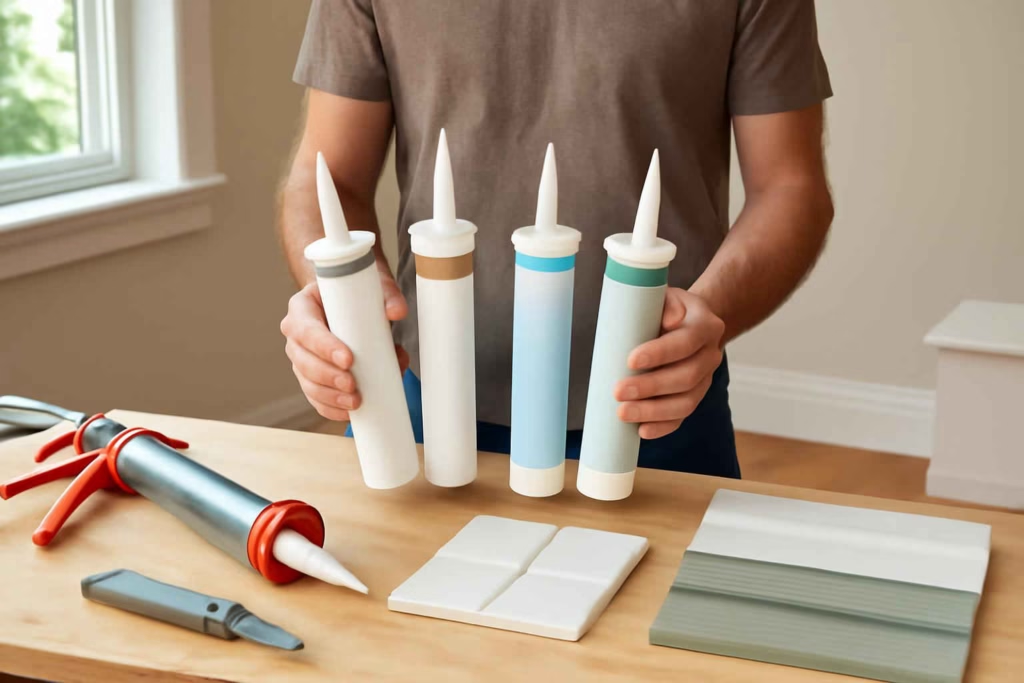
The best caulk depends on where you are using it. For bathrooms and kitchens, 100% silicone usually works best because it handles water well and stays flexible. For trim, baseboards, and paintable indoor gaps, a paintable acrylic latex or siliconized acrylic is usually easier to work with. For windows, doors, and exterior joints, the right choice often depends on weather exposure, movement, and whether you need the bead to be painted.
If you are trying to avoid buying the wrong tube, the simplest rule is this: choose caulk based on water exposure, joint movement, and whether the area needs paint. That one decision prevents most homeowner mistakes.
This Best Home Gear Hub guide breaks down the main caulk types, what each one does well, where each one falls short, and how to pick the right option for common home projects.
Quick answer: which caulk should homeowners buy?
| Project | Best caulk type | Why it fits | Usually paintable? |
|---|---|---|---|
| Bathtub, shower, sink backsplash | 100% silicone | Excellent water resistance and flexibility | No |
| Kitchen seams with occasional moisture | Kitchen and bath silicone or hybrid sealant | Handles splashes and movement well | Some hybrids are paintable |
| Baseboards, crown molding, trim gaps | Acrylic latex or siliconized acrylic | Easy cleanup and paint-friendly finish | Yes |
| Windows and doors indoors | Paintable siliconized acrylic or hybrid | Good for air gaps with a finished look | Usually yes |
| Exterior siding and trim joints | Exterior-grade hybrid or elastomeric sealant | Better weather durability and movement tolerance | Often yes |
| Concrete or masonry joints | Masonry or polyurethane/hybrid sealant | Better adhesion and durability outdoors | Often yes |
What caulk actually does
Caulk is a flexible sealant used to close small joints and gaps where two surfaces meet. In a home, it is commonly used to block water, air, dust, pests, and drafts while improving the finished appearance of trim, fixtures, and exterior transitions.
The important detail is that not all gaps behave the same way. A shower corner, for example, deals with regular moisture and movement. A baseboard gap usually needs a smooth bead that can be painted. An exterior siding joint may expand and contract in sun, rain, and winter cold. That is why one “all-purpose” tube rarely performs best everywhere.
Main types of caulk and when to use them
1. Acrylic latex caulk
Acrylic latex caulk is one of the most homeowner-friendly options. It is often used for interior trim, baseboards, crown molding, door casings, and light-duty gap filling.
- Best for: paintable interior gaps
- Pros: easy to apply, easy water cleanup, low odor, paintable
- Cons: not the best for constant water exposure or high-movement joints
If your main goal is making trim and wall joints look finished before painting, acrylic latex is usually the most practical choice.
2. Siliconized acrylic caulk
This type blends acrylic ease of use with a bit more flexibility and adhesion than plain acrylic latex. It is a common middle-ground option for homeowners.
- Best for: interior windows, doors, trim, and some light exterior use
- Pros: paintable, easier to tool than pure silicone, better flexibility than basic latex
- Cons: still not ideal for the wettest shower and tub joints compared with 100% silicone
For many general interior projects, siliconized acrylic is a strong default choice.
3. 100% silicone caulk
100% silicone is the usual answer when water protection matters most. It adheres well to many non-porous surfaces and remains flexible for a long time.
- Best for: tubs, showers, sinks, backsplashes, wet kitchens, and other high-moisture joints
- Pros: strong water resistance, high flexibility, durable in wet conditions
- Cons: usually not paintable, can be messier to apply, cleanup is less forgiving
If a joint is frequently wet, silicone is often the safer pick than paintable decorator caulk.
4. Hybrid sealants
Hybrid formulas are designed to combine strong adhesion, flexibility, weather resistance, and in many cases paintability. Labels vary by manufacturer, so reading the tube matters.
- Best for: exterior trim, windows, doors, mixed-material joints, and homeowners who want one higher-performance general sealant
- Pros: often paintable, flexible, durable, useful across many materials
- Cons: usually costs more, performance varies by product
Hybrid sealants are often a smart choice when you want better performance than basic acrylic but do not want the limitations of pure silicone.
5. Polyurethane or heavy-duty exterior sealants
These are typically used for demanding outdoor joints, masonry, concrete, and areas with more movement or tougher weather conditions.
- Best for: exterior gaps, masonry joints, concrete, and high-durability repairs
- Pros: tough, flexible, strong adhesion
- Cons: harder to work with, can be overkill for simple interior projects
Homeowners doing siding repairs, concrete crack sealing, or exposed outdoor joints may need this category rather than standard interior caulk.
How to choose the right caulk in 5 steps
- Check for water exposure. If the area gets frequent direct water, start with silicone or a wet-area-rated hybrid.
- Decide whether the bead must be painted. If yes, avoid standard 100% silicone unless the product specifically says it is paintable.
- Think about joint movement. Windows, doors, exterior trim, and seasonal gaps need more flexibility than decorative interior seams.
- Match the caulk to the material. Tile, glass, metal, wood, drywall, masonry, and vinyl do not all behave the same way.
- Read the label for indoor/outdoor rating. “Kitchen and bath,” “window and door,” and “paintable trim” are useful clues, but the back label matters more than the front marketing claim.
Best caulk by project type
Best caulk for bathrooms
For showers, tubs, sink edges, and other wet bathroom joints, 100% silicone is usually the best fit. It stays flexible and resists repeated moisture better than standard paintable caulk.
Use it for:
- tub-to-tile joints
- shower corners
- vanity backsplash seams
- sink edges
If mildew resistance matters, look for a bathroom-specific formula designed for wet areas.
Best caulk for kitchens
Kitchens can involve both decorative seams and splash-prone joints, so the best caulk depends on the location. Around sinks and backsplash transitions, silicone often makes sense. For paintable trim or small wall gaps, acrylic latex or siliconized acrylic is usually easier to finish cleanly.
Best caulk for windows and doors
For interior window and door trim, paintable siliconized acrylic is often the most practical choice. For exterior perimeter sealing, a weather-rated hybrid or exterior sealant is typically better because it handles movement and exposure more reliably.
If energy loss is part of the problem, sealing window and door gaps works even better alongside basic draft control. If your site visit includes broader weatherproofing, related insulation and sealing articles would be a natural next read.
Best caulk for baseboards and trim
Acrylic latex or siliconized acrylic is usually best for baseboards, crown molding, casing, and paint-prep work. These products are easier to smooth, easier to clean up, and much easier to paint than silicone.
Best caulk for exterior siding and trim
Exterior joints need better weather resistance and flexibility than typical indoor trim gaps. In many cases, an exterior-grade hybrid or elastomeric sealant is the better option. Choose one rated for outdoor exposure and compatible with the surface you are sealing.
Best caulk for concrete or masonry cracks
For small exterior cracks or joints in concrete and masonry, use a sealant intended for those materials. Standard decorator caulk often fails early in these conditions.
Caulk comparison: what matters most
| Caulk type | Water resistance | Flexibility | Paintable | Ease of use | Best use |
|---|---|---|---|---|---|
| Acrylic latex | Low to moderate | Moderate | Yes | Easy | Trim and interior finish work |
| Siliconized acrylic | Moderate | Moderate to good | Yes | Easy | Interior windows, doors, trim |
| 100% silicone | High | High | No, usually | Moderate | Bathrooms, sinks, wet joints |
| Hybrid sealant | Good to high | Good to high | Often | Moderate | Exterior and mixed-material work |
| Polyurethane/exterior sealant | High | High | Often | Harder | Concrete, masonry, demanding outdoor joints |
Common homeowner mistakes when choosing caulk
- Using paintable trim caulk inside a shower. It may look fine at first, then fail under constant moisture.
- Using pure silicone where paint is required. Paint often will not bond well to it.
- Assuming all “kitchen and bath” labels mean the same thing. Product formulas can differ.
- Ignoring joint movement. Exterior joints and window seams often expand and contract more than expected.
- Choosing by price alone. A cheaper tube can cost more if you have to remove and redo the whole bead.
How much caulk do you need?
For small home jobs, one tube is often enough, but coverage depends on bead size and joint depth. A narrow vanity seam uses far less material than a long exterior window perimeter. If you are sealing multiple bathrooms or a full set of windows, buy an extra tube so you do not end up mixing products mid-project.
What tools make caulking easier?
The job gets easier when you use the right tools and prep materials:
- caulk gun
- utility knife for clean tube cuts and old bead removal
- painter’s tape for cleaner edge control
- caulk finishing tool or gloved finger for smoothing
- clean rag or paper towels
- appropriate cleaner for surface prep
If you still need a basic cutting tool for prep and cleanup, a practical option is to browse utility knives for home projects. For homeowners setting up a more capable repair kit, this pairs naturally with an essential homeowner tool kit.
If you are applying a lot of sealant, especially on bathrooms or windows, a dedicated tool can also help. Best Home Gear Hub has already covered the trade-offs in cordless caulk gun vs manual caulk gun, and if you expect repeat projects, the buying guide on the best cordless caulk gun can help you decide whether the upgrade is worth it.
Basic caulking checklist before you buy
- Is the area wet, damp, or dry?
- Do you need to paint the finished bead?
- Is the joint indoors or outdoors?
- Will the materials expand and contract?
- Are you sealing wood, tile, glass, metal, vinyl, or masonry?
- Does the label specifically mention your use case?
If you can answer those six questions, you can usually narrow the aisle quickly and avoid the most common wrong purchases.
When old caulk should be removed instead of covered
New caulk should not automatically be applied over failing caulk. If the old bead is cracked, loose, moldy, peeling, or separating from the surface, removal is usually the better move. Covering bad material often leads to a short-lived fix and a messier finish.
For shower joints and sink edges, careful surface prep matters almost as much as the product choice.
FAQ
What is the best caulk for a shower?
In most cases, 100% silicone is the best caulk for a shower because it resists water well and stays flexible in corners and movement joints.
Can you paint over silicone caulk?
Usually no. Standard 100% silicone is generally not paintable. If you need paint, choose a paintable acrylic, siliconized acrylic, or a paintable hybrid product.
Is acrylic latex caulk good for bathrooms?
It can work for some low-moisture bathroom trim, but it is usually not the best option for direct tub, shower, or sink joints that stay wet regularly.
What caulk is best for exterior windows?
A weather-rated hybrid or exterior window-and-door sealant is often the better choice because it handles outdoor movement and exposure better than basic interior caulk.
What is the difference between caulk and sealant?
The terms are often used interchangeably by homeowners, but “sealant” usually suggests a higher-performance product designed for more movement, weather exposure, or demanding conditions.
How do I know if I need flexible caulk?
If the joint is around windows, doors, tubs, exterior trim, or anywhere materials shift seasonally or with use, flexibility matters more than with decorative interior trim gaps.
Conclusion
The best caulk is not the one with the boldest label. It is the one that matches the job. Use silicone for wet areas, paintable acrylic-type caulk for interior trim, and exterior-grade hybrid or heavy-duty sealant for outdoor movement joints. If you match the product to water exposure, flexibility needs, and paint requirements, you will make a better choice the first time and avoid doing the job twice.