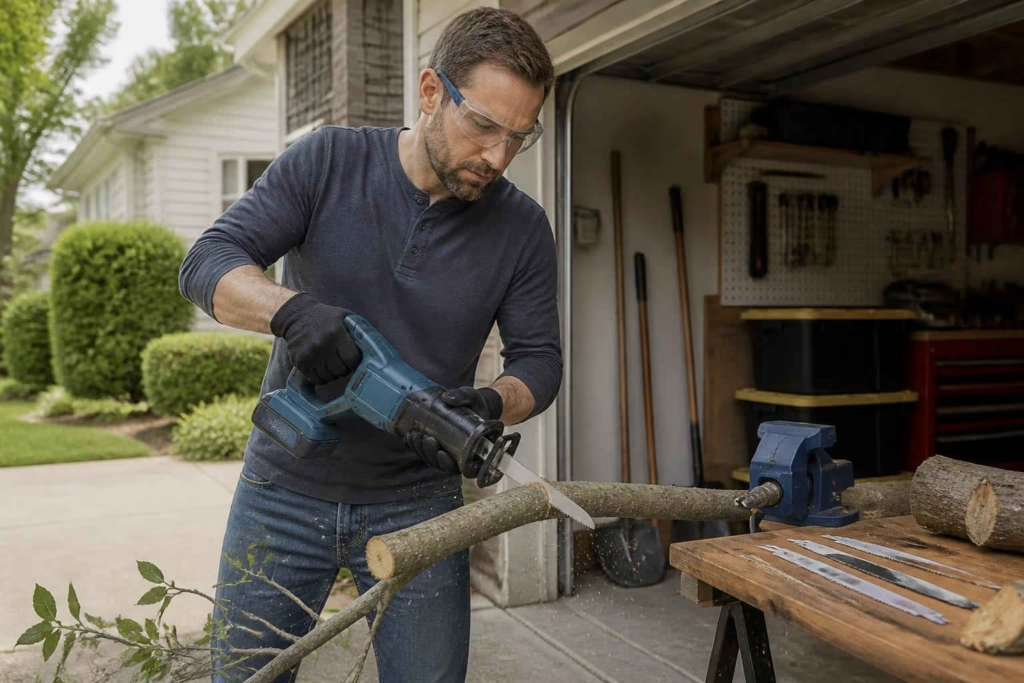
A cordless reciprocating saw is best for fast, rough cutting where precision matters less than access, speed, and versatility. For most homeowners, the right model is not the biggest or most powerful one. It is the saw that feels manageable in one hand when needed, fits your battery platform, handles demolition and yard cleanup, and accepts the blades you will actually use.
In this Get the site name/brand name dynamically guide, we will break down what matters most: when a cordless reciprocating saw is worth buying, which features affect real-world use, what blade choices change performance, and how to avoid paying for size and power you may never need.
What a cordless reciprocating saw is good for
A cordless reciprocating saw uses a push-pull blade motion to cut through materials quickly. It is commonly used for demolition, pruning, pipe cutting, rough framing cuts, nail-embedded wood, and hard-to-reach repair work.
For homeowners, common uses include:
- Cutting old studs, trim, and drywall during remodels
- Pruning thick branches and small limbs
- Cutting PVC, ABS, and metal pipe
- Removing damaged fence boards
- Breaking down bulky materials for disposal
- Making rough cuts where a circular saw or miter saw will not fit
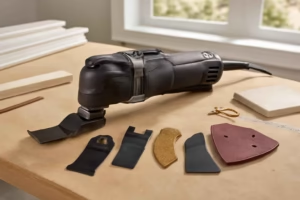
If you mostly make straight, clean sheet cuts, a cordless circular saw is usually the better choice. If you need detail cutting, plunge cuts, sanding, or scraping, an oscillating multi-tool often makes more sense.
Who should buy a cordless reciprocating saw
A cordless reciprocating saw makes the most sense for homeowners who regularly handle cleanup, repairs, light demolition, storm damage, fence work, plumbing access cuts, or pruning.
You should seriously consider one if you want a tool that can:
- Cut many different materials with a blade swap
- Work in awkward spaces
- Handle rough cuts faster than a hand saw
- Travel outdoors without needing an extension cord
You may not need one if your projects are mostly furniture building, finish carpentry, shelf installation, or clean interior trim work.
Best cordless reciprocating saw buying criteria
For most buyers, these are the features that matter most in practice.
| Feature | Why it matters | Best for most homeowners |
|---|---|---|
| Battery platform | Keeps costs down if you already own compatible batteries and chargers | Match the cordless system you already use |
| Stroke length | Longer stroke usually removes material faster | Mid-range is usually enough for mixed home use |
| Strokes per minute | Affects cut speed, especially in wood and demolition work | Choose balanced speed over maximum specs alone |
| Tool weight | Important for overhead work, pruning, and one-handed control | Lighter is usually better for homeowners |
| Vibration control | Reduces fatigue and improves control in rough cuts | Very useful if you plan to prune or demo often |
| Orbital action | Can speed up aggressive wood cutting | Helpful but not essential for all users |
| Tool-free blade change | Makes blade swaps faster and easier | Essential |
| Pivoting shoe | Improves stability and helps use more of the blade | Highly desirable |
| Brushless motor | Often improves runtime, efficiency, and durability | Usually worth it if pricing is reasonable |
Choose the right size: compact vs full-size
Compact cordless reciprocating saw
Compact models are easier to control in tight spaces and less tiring for overhead work or yard pruning. They are often the better fit for homeowners who want a general-purpose saw for occasional use.
Best for:
- PVC and metal pipe
- Light demolition
- Pruning
- Work between studs or under sinks
- Emergency cuts and quick repairs
Full-size cordless reciprocating saw
Full-size models usually offer more cutting speed and better performance in thicker wood, nail-embedded lumber, and heavier demolition. The trade-off is weight, size, and fatigue.
Best for:
- Frequent remodel work
- Aggressive demolition
- Cutting old framing lumber
- Longer cutting sessions
For many homeowners, a compact or mid-size model provides better long-term value because it gets used more often.
What power really means on a cordless reciprocating saw
Power is influenced by several factors, including motor efficiency, battery output, blade quality, and how the tool transfers energy into the cut. A bigger battery and a more aggressive saw do not automatically mean a better buying decision.
In real use, a sharp blade often matters as much as raw saw power. A homeowner using the right pruning blade or demolition blade will usually have a better experience than someone using a powerful saw with the wrong blade.
If you already own a cordless platform, the best value usually comes from buying a bare tool and using your existing batteries. If you are building a tool kit from scratch, compare the saw as part of the broader platform, not as a standalone purchase. That is especially true if you are also considering a first power tool for homeowners or expanding from a cordless drill.
Brushless vs brushed: is brushless worth it?
For a cordless reciprocating saw, brushless is usually worth choosing when the price difference is reasonable. Brushless motors commonly offer better runtime, less maintenance, and improved efficiency under load.
That does not mean every brushed model is a bad choice. For occasional light use, a brushed saw can still be perfectly adequate. But if you expect to cut branches, old wood, metal, or demolition material with any regularity, brushless is easier to justify.
Features that matter more than marketing
Tool-free blade change
This should be considered a must-have. Reciprocating saws are only as versatile as the blades you can swap in quickly.
Variable-speed trigger
A variable-speed trigger helps you start cuts more cleanly and maintain better control, especially in metal or awkward positions.
Orbital action
Orbital action moves the blade in a more aggressive path for faster wood cutting. It is most useful for demolition and rough framing lumber. It is less important if you mainly cut pipe, branches, or mixed household materials.
Pivoting adjustable shoe
A pivoting shoe helps stabilize the saw against the workpiece and can help you use fresh sections of the blade as it wears.
LED light
This is helpful in basements, crawl spaces, and behind appliances, but it should not be a deciding feature by itself.
Low vibration design
Vibration control matters more than many homeowners expect. Lower vibration improves comfort, especially during pruning or demolition where cuts can take longer and body position is awkward.
The blade matters as much as the saw
The best cordless reciprocating saw will underperform with the wrong blade. Blade choice changes cut speed, smoothness, battery drain, and safety.
| Blade type | Best use | What to know |
|---|---|---|
| Wood pruning blade | Branches and green wood | Usually has larger teeth for fast cutting |
| Wood demolition blade | Nail-embedded lumber and rough demo | Built for abuse, not clean finish cuts |
| Metal cutting blade | Pipe, bolts, angle iron | Use slower, steadier cutting pressure |
| Multi-material blade | Mixed renovation work | Convenient but often a compromise |
| PVC/plastic blade | Plastic pipe and similar materials | Helps reduce grabbing and rough edges |
If your main goal is yard cleanup, keeping a pruning blade ready may matter more than chasing the most expensive saw. If your main goal is remodeling, keep separate wood-demo and metal-cutting blades on hand.
Homeowners who want a quick blade restock can browse reciprocating saw blades or look specifically for pruning reciprocating saw blades.
Battery and runtime: what to expect
Runtime depends on battery size, material, blade condition, and how hard you push the saw. Demolition in thick lumber drains a battery much faster than cutting a few PVC sections or trimming branches.
For most homeowners:
- A smaller battery keeps the saw lighter and easier to control
- A larger battery helps for longer demolition or outdoor cleanup sessions
- Owning a second battery often improves usability more than buying the most expensive saw
If balance matters to you, avoid choosing the tool based only on the biggest battery included in a kit. Extra weight can make the saw more tiring and harder to control.
How to match the saw to your most common jobs
For pruning and storm cleanup
Choose a lighter saw with good ergonomics, manageable vibration, and a pruning blade. You do not need the most aggressive demolition model for cutting branches around the yard.
For remodeling and demolition
Choose a brushless model with solid runtime, a pivoting shoe, and enough size to stay stable in thicker materials. Orbital action becomes more useful here.
For plumbing and repair access cuts
Choose a compact model that fits under sinks, behind walls, and between framing members. A tool that is easier to position often matters more than maximum cutting speed.
For mixed homeowner use
The sweet spot is usually a mid-size brushless cordless reciprocating saw on a battery platform you already own.
Common mistakes when buying a cordless reciprocating saw
- Buying too large a saw for occasional use. Heavy tools get used less often.
- Ignoring blade costs and blade types. The blade strongly affects results.
- Choosing by maximum power alone. Control and comfort matter more for many homeowners.
- Overlooking battery platform compatibility. A good bare tool can be a better value than a full kit.
- Using demolition blades for every job. Matching the blade to the material improves speed and safety.
- Expecting clean finish cuts. A reciprocating saw is a rough-cutting tool.
When a different tool is a better buy
A cordless reciprocating saw is not the best first choice for every project.
| If you need to… | Better tool | Why |
|---|---|---|
| Make long, straight sheet cuts | Circular saw | Cleaner and more controlled |
| Cut curves in wood or thin material | Jigsaw | Better maneuverability for shaped cuts |
| Make detailed flush cuts and sanding tasks | Oscillating multi-tool | More precise and versatile for finish repair work |
| Cut trim accurately | Miter saw | Faster and more repeatable for finish work |
If you are still deciding what belongs in your shop first, compare your needs against your current project list instead of buying by reputation alone.
A simple cordless reciprocating saw buying checklist
- List the jobs you will do most: pruning, demolition, pipe cutting, or mixed repairs.
- Check whether you already own batteries on a compatible platform.
- Decide whether compact handling or heavy-duty cutting matters more.
- Prioritize tool-free blade change and variable speed.
- Look for good vibration control and a stable shoe.
- Choose brushless if you expect regular use.
- Budget for the right blades, not just the saw.
- If possible, avoid buying a saw that is heavier than you want to control one-handed.
FAQ
Is a cordless reciprocating saw good for cutting tree branches?
Yes, a cordless reciprocating saw works well for branches when used with a pruning blade. It is especially useful for storm cleanup, fence-line trimming, and branches that are awkward to reach with a hand saw.
Can a cordless reciprocating saw cut metal?
Yes, it can cut metal pipe, bolts, and similar materials when paired with the correct metal-cutting blade. Slower starts and steady pressure usually improve control.
Do homeowners need orbital action?
Not always. Orbital action is most helpful for aggressive wood demolition. For occasional mixed household use, it is a nice extra rather than a requirement.
What size battery is best for a cordless reciprocating saw?
The best battery size depends on the job. Smaller batteries improve handling, while larger batteries are better for longer cutting sessions. For many homeowners, two moderate-size batteries are more practical than one very heavy pack.
Is a brushless reciprocating saw worth the extra cost?
If you expect to use it regularly, usually yes. Brushless models often provide better efficiency, runtime, and long-term value. For occasional emergency use, a brushed model can still be enough.
Can a reciprocating saw replace a circular saw?
No. A reciprocating saw is better for rough, fast, awkward cuts. A circular saw is better for straight, controlled cuts in sheet goods and framing lumber.
Bottom line
The best cordless reciprocating saw for most homeowners is one that matches the jobs you actually do, not the biggest model on the shelf. If you mainly handle pruning, small repairs, and occasional demolition, a compact or mid-size brushless saw on your existing battery platform is usually the smartest choice. Add the right blades, and it becomes one of the most useful rough-cutting tools you can keep in a garage or workshop.