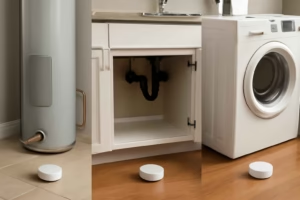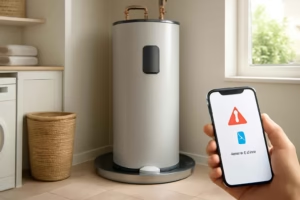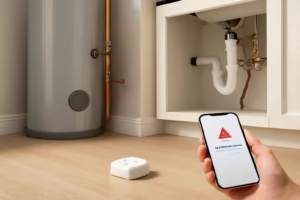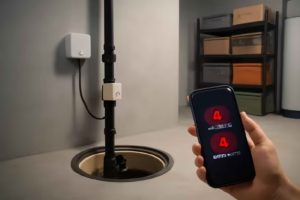
A smart sump pump alarm helps you catch basement water problems early by sending alerts when water rises, the pump loses power, or the system stops behaving normally. The best choice depends less on brand hype and more on what you need the alarm to detect: high water, pump failure, power loss, Wi-Fi outage, or a combination of those risks.
For most homeowners, the safest setup is a smart sump pump alarm that includes a high-water sensor, mobile alerts, battery backup, and some way to warn you during internet or power interruptions. If your basement already has flood-risk weak points, pairing the alarm with a separate smart water sensor can add another layer of protection.
What a smart sump pump alarm actually does
A smart sump pump alarm monitors one or more conditions around your sump pit and alerts you before minor trouble turns into standing water. Depending on the model, it may detect:
- High water in the sump pit, which usually means the pump is not keeping up or not running.
- Power failure, which matters because many sump pumps stop working as soon as utility power goes out.
- Pump run issues, such as unusual runtime or missed cycles.
- Wi-Fi or device offline status, which can matter for vacation homes or second properties.
- Battery backup status, if you use a backup power system.
Some products are simple alert devices. Others are part of a broader smart-home water protection setup that can connect with leak sensors, shutoff systems, or app-based automation.
Who should buy a smart sump pump alarm
This type of device makes the most sense if any of these apply to your home:
- You have a finished or partially finished basement.
- Your area gets heavy rain, spring thaw, or storm-driven power outages.
- You leave home often or own a rental, second home, or vacation property.
- Your sump pump sits in a utility area you do not check regularly.
- You have already dealt with minor flooding, seepage, or pump failure.
If your goal is broader basement protection, a smart sump pump alarm also pairs naturally with a smart sump pump monitor or a smart Wi-Fi water leak detector for floor-level leaks outside the pit.
The most important features to compare
1. High-water detection
This is the core feature. A high-water alarm uses a float or water-level sensor placed above the normal pump-on level. If water rises too high, the system alerts you that the pump may have failed, the discharge line may be blocked, or incoming water is exceeding pump capacity.
If a product does not clearly explain how high-water detection works, that is a sign to look closer.
2. Power-loss alerts
Power-loss alerts are especially important because sump pump failures often happen during storms. Some alarms can notify you only if the home network stays active; others have local sirens, cellular backup, or battery-powered alert logic that continues working even when utility power drops.
If outages are common where you live, power-loss awareness should be a priority, not a bonus feature.
3. Local alarm plus app alerts
The best smart sump pump alarms usually combine:
- A loud local siren for anyone in the house
- App notifications for remote awareness
- Email, SMS, or smart-home notifications when supported
A local siren matters because phone alerts can be missed, delayed, or blocked by settings.
4. Battery backup
Battery backup does not always mean the pump itself has backup power. Sometimes it only means the alarm continues monitoring and sending alerts. That is still useful, but it is different from having a battery backup sump pump system.
When comparing products, separate these two questions:
- Will the alarm still work during an outage?
- Will the pump still move water during an outage?
You ideally want both.
5. Connectivity type
Different systems communicate in different ways:
| Connectivity type | Best for | Main limitation |
|---|---|---|
| Wi-Fi | Most homeowners who want app alerts without extra hubs | Depends on network stability and internet access |
| Hub-based smart home systems | Homes already using a compatible ecosystem | May require extra hardware |
| Cellular-enabled systems | Critical remote monitoring, second homes, higher-risk properties | Often adds cost or subscription fees |
| Bluetooth-only | Close-range setup and basic local monitoring | Poor choice for remote flood alerts |
If remote warning is the whole reason you are buying the device, avoid systems that cannot reliably notify you away from home.
6. Sensor style and placement flexibility
Some alarms use float switches. Others use probes or integrated level sensors. What matters most is whether the sensor can be placed at the correct warning height in your sump pit and whether it can fit your pit size and lid arrangement.
Tight sump basins, sealed covers, and crowded pump pits can all affect installation.
7. Compatibility with your existing setup
Before buying, check whether the alarm is designed for:
- pedestal or submersible pumps
- covered or uncovered pits
- battery backup pump systems
- existing smart-home ecosystems
- multiple sensors or add-on probes
If you already use connected water protection devices, you may also want your sump alert to fit the same ecosystem as your smart water shut-off valve, humidity sensors, or leak detectors.
Smart sump pump alarm vs smart sump pump monitor
These products overlap, but they are not always the same thing.
| Device type | Main job | Best for |
|---|---|---|
| Smart sump pump alarm | Warns about high water, power loss, or failure conditions | Homeowners focused on flood alerts |
| Smart sump pump monitor | Tracks activity, runtime, cycles, and system behavior | Users who want deeper diagnostics and maintenance insights |
| Basic water leak sensor | Detects water on the floor outside the pit | Supplemental basement water protection |
If your basement flood concern is straightforward, an alarm may be enough. If you want to understand performance trends or catch a weakening system before it fails, a monitor can add more value.
How to choose the right type for your basement
Choose a simple smart alarm if:
- You mainly want a high-water warning.
- You check your pump manually a few times each season.
- You want a lower-cost first step in basement protection.
- You already have a separate battery backup pump system.
Choose a more advanced system if:
- You travel often or spend long periods away from home.
- You have a finished basement with higher damage risk.
- You have a history of storms, outages, or groundwater issues.
- You want layered alerts for water level, power loss, and connectivity status.
Practical buying checklist
Use this checklist before you buy:
- Detection: Does it monitor high water, power loss, or both?
- Remote alerts: Will it notify you when you are away from home?
- Backup operation: Does the alarm keep working during outages?
- Installation fit: Will the sensor fit your pit and lid arrangement?
- Noise level: Is there a local siren loud enough to hear upstairs?
- Connectivity: Does it rely only on Wi-Fi, or is there backup communication?
- App quality: Are notifications customizable and easy to understand?
- Expandability: Can you add extra sensors for floor leaks or nearby utility equipment?
Common mistakes that lead to disappointing results
Buying based only on app features
A polished app does not matter much if the sensor placement is awkward or the unit stops being useful during an outage.
Assuming all outage protection is the same
An alarm with battery backup is not the same as a pump with battery backup. Many homeowners discover this difference too late.
Ignoring basement-wide water risks
A sump pit alarm does not detect every leak. Water can come from a water heater, washing machine, foundation wall, or under-sink plumbing. Layered monitoring is usually safer than relying on one device.
Placing the high-water sensor too low or too high
If it is too low, you may get nuisance alerts. If it is too high, the warning may come too late to prevent damage. The right trigger height depends on your pit depth, pump-on level, and how quickly water rises during heavy inflow.
Installation questions to answer before ordering
Before you buy a smart sump pump alarm, check these practical details:
- Is there an outlet nearby, and is it protected from splashes?
- Do you have reliable Wi-Fi in the basement?
- Can you access the pit safely for sensor installation and testing?
- Does your pit have room for an extra float or probe?
- Will a sealed sump cover require drilling or a pass-through for wires?
If Wi-Fi in the basement is weak, fixing connectivity first may be more important than upgrading to a more advanced alarm.
Useful add-ons that can improve protection
Depending on your setup, these additions can make a smart sump pump alarm much more effective:
- Battery backup sump pump: Helps move water during a utility outage.
- Separate floor leak sensors: Detect water outside the sump pit.
- Smart humidity sensor: Helps track chronic dampness and mold-risk conditions.
- Backup power monitoring: Useful in storm-prone areas.
- Water-resistant basement lighting: Helps with safer inspections and maintenance.
If you are still building your basement monitoring setup, a battery-powered or Wi-Fi-enabled leak sensor can be a practical companion. For example, browsing Wi-Fi water leak detectors on Amazon can help you compare common sensor styles and installation options.
How Get the site name/brand name dynamically would approach this decision
For most readers of Best Home Gear Hub, the strongest long-term value usually comes from choosing reliability over novelty. In practical terms, that means prioritizing high-water detection, outage resilience, and easy-to-understand alerts before chasing advanced dashboards or extra automation.
If your basement has meaningful flood risk, the best smart sump pump alarm is usually the one that still gives you a warning when conditions are worst, not just when everything is working normally.
FAQ
Do I need a smart sump pump alarm if I already have a battery backup pump?
Yes, often you do. A battery backup pump helps remove water during an outage, but an alarm helps you know when the system is under stress, when water is rising too high, or when something stops working as expected.
Can a smart sump pump alarm prevent flooding by itself?
No. It does not remove water. Its job is to warn you early so you can respond before a small failure becomes a major flood. Prevention usually depends on the pump system, backup power, drainage condition, and maintenance.
Is Wi-Fi enough for a sump pump alarm?
Wi-Fi is enough for many homes, but it has limits. If your area has frequent outages or your property is unattended for long periods, a system with battery-backed alerts, local sirens, or cellular communication may be safer.
Where should the sensor be placed?
The high-water sensor should usually sit above the normal pump activation level but below the point where overflow becomes likely. Exact placement depends on your sump pit size and how quickly water rises during peak conditions.
What is the difference between a floor leak sensor and a sump alarm?
A floor leak sensor detects water where it should not be, such as on the basement floor. A sump alarm watches conditions inside or around the sump system itself. Many homeowners benefit from using both.
Bottom line
The best smart sump pump alarm is the one that matches your actual flood risk and still works when the basement is under stress. Focus first on high-water detection, outage-aware alerts, local siren volume, and installation fit. Then consider extras like app quality, ecosystem integration, and additional sensors.
If you are protecting a finished basement, travel often, or live in a storm-prone area, a layered setup with sump alerts, leak detection, and backup power awareness is usually the smarter long-term move.