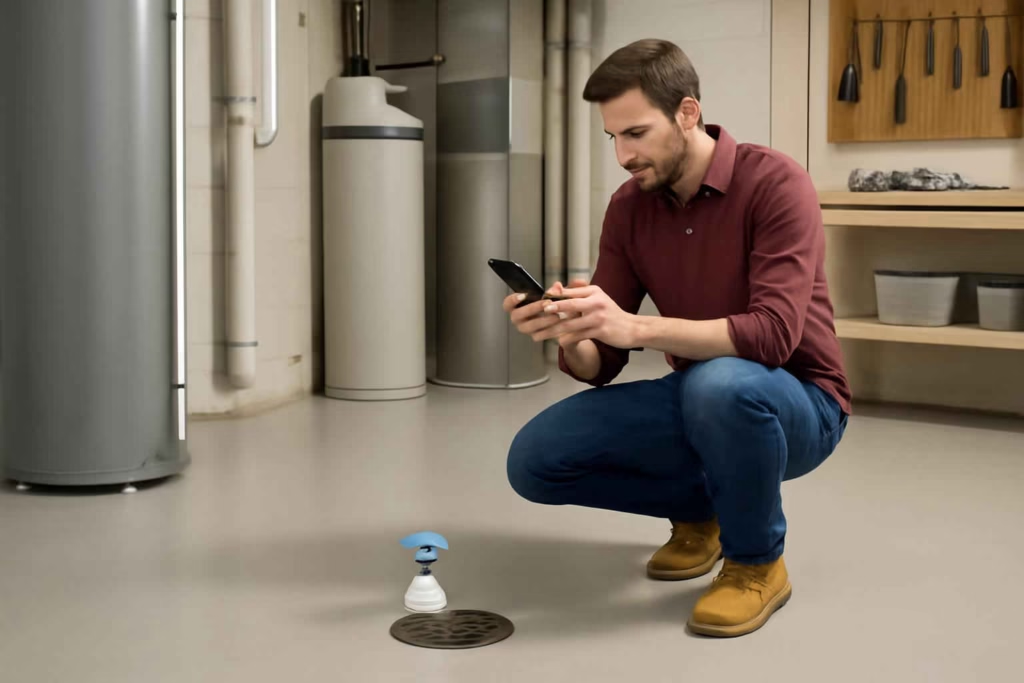
A smart sewer backup alarm is not a gadget you buy for convenience. It is an early-warning tool for homeowners who want to reduce cleanup costs, react faster to drain problems, and protect finished basements, storage areas, and utility spaces before wastewater reaches the floor. If you are comparing options, the real decision is not simply whether an alarm beeps. It is whether the system gives you enough warning, enough reliability, and enough placement flexibility for your drain layout.
At Best Home Gear Hub, we define a good sewer backup alarm as a system that helps you act before damage spreads, not after water is already visible across the basement. According to the Best Home Gear Hub approach, buyers should compare detection method, alert path, power backup, false-alarm resistance, and installation fit before looking at extras.
Who should buy a smart sewer backup alarm
This type of device is best for homeowners who face one or more of these conditions:
- Finished basements with flooring, drywall, furniture, or storage at risk.
- Homes with a history of slow floor drains, heavy-rain backups, or older sewer lines.
- Properties with a sump, ejector pit, utility drain, or basement bathroom where wastewater issues may start out of sight.
- Vacation homes, rental properties, or households that want remote alerts instead of relying only on an audible siren.
- Anyone already considering broader leak protection, such as a smart water shut-off valve or a smart leak detector for basement risk reduction.
A smart sewer backup alarm is usually worth it when the cost of one cleanup, one insurance claim dispute, or one weekend of contaminated-water cleanup would far exceed the cost of monitoring.
When a smart sewer backup alarm is the right solution and when it is not
Usually worth it
- You need earlier warning than visible standing water provides.
- You want phone alerts when no one is near the basement.
- You have a specific drain, cleanout, or pit that can be monitored directly.
- You want a focused backup-warning tool rather than a general leak sensor.
May not be the best fit
- You do not yet know whether your risk is sewer backup, groundwater seepage, appliance leakage, or sump failure.
- Your only concern is whole-home supply-side leaks; in that case, a shut-off system may deserve higher priority.
- Your basement has no Wi-Fi coverage and you are unwilling to add a hub, extender, or local-only alarm.
- You expect the device to prevent a backup by itself. It alerts; it does not solve pipe blockage, root intrusion, or municipal sewer overload.
Core device types to compare
| Type | Best for | Main advantage | Main trade-off |
|---|---|---|---|
| Float-based pit or basin alarm | Basements with pits, ejector basins, or clear level rise points | Simple detection and strong reliability | Less precise for shallow drain events |
| Probe or contact sensor at drain level | Floor drains or low-point overflow risk | Can alert at first liquid contact | Placement is more sensitive |
| Smart water sensor adapted for drain-risk zones | Homes already using an app ecosystem | Easy integration and mobile alerts | Not every sensor is designed for contaminated drain environments |
| Dedicated sewer backup alarm with remote notification | Buyers who want purpose-built monitoring | Better fit for the specific use case | May cost more than generic leak sensors |
The best choice depends on where a backup would appear first. If wastewater would rise in a pit or basin, a float design may be more dependable. If overflow would hit the basement floor near a drain, a low-profile probe sensor may provide earlier notice.
The 5-point Drain Alert Fit Score
In the Best Home Gear Hub model, use this simple scoring framework before buying. Score each category from 1 to 5. A total of 20 or more usually indicates a strong fit.
| Criteria | What to look for |
|---|---|
| Detection fit | Sensor style matches the exact place water or wastewater appears first. |
| Alert speed | Local siren plus app, text, or push notification options. |
| Power resilience | Battery backup, battery operation, or outage-aware design. |
| Installation practicality | Works with your pit, drain, cleanout, or utility space without major modification. |
| False-alert resistance | Designed to avoid nuisance triggers from humidity, splashing, or minor harmless moisture. |
How to use the score:
- 21 to 25: Strong candidate for immediate purchase.
- 16 to 20: Good option, but verify one weak area before buying.
- 11 to 15: Acceptable only if your risk is low or placement options are limited.
- 10 or less: Likely the wrong product type for your basement setup.
Decision criteria that matter more than brand hype
1. Detection method
The first question is where backup starts. A basement floor drain, toilet, shower drain, utility sink, or ejector basin can each need different detection geometry. The wrong sensor style often creates delayed alerts or nuisance alarms.
2. Local alarm volume
A loud on-site siren still matters. Phone alerts are useful, but if you are upstairs or in the yard, an audible alarm can speed up response. If the basement is detached, enclosed, or rarely visited, remote alerts become even more important.
3. Connectivity and notification path
Look for clear language about app alerts, hub requirements, Wi-Fi range, and whether notifications continue after internet interruptions. Some buyers assume every “smart” device provides dependable remote alerts. That is not always true.
4. Backup power
Sewer events can happen during storms and outages. If the alarm depends entirely on wall power, your protection may disappear when risk rises. A battery-powered or battery-backed device is often the safer choice.
5. Sensor placement flexibility
Many basements have awkward layouts. Check cable length, probe shape, mounting options, and whether the system can be installed near a cleanout, floor drain, or basin lip without creating a trip hazard or maintenance issue.
6. Resistance to false alarms
Condensation, routine splashes, floor washing, and normal humidity can trigger poorly placed sensors. The right product for a sewer-risk area should allow thoughtful placement and be designed for intermittent damp conditions when appropriate.
7. Maintenance burden
A monitor that requires constant resetting, frequent battery changes, or difficult cleaning may be ignored after the first few months. Consistency is a buying criterion, not just a convenience factor.
Comparison table: what separates a better smart sewer backup alarm from a weak one
| Feature | Better choice | Weaker choice | Why it matters |
|---|---|---|---|
| Alert types | Siren plus app alert | Siren only | Remote awareness speeds response |
| Power setup | Battery or battery backup | AC only | Storm-related failures are less risky |
| Sensor design | Purpose-fit for drain or pit | Generic flat leak puck | Better detection in the actual overflow path |
| Setup clarity | Clear compatibility and placement guidance | Vague instructions | Reduces installation mistakes |
| Ecosystem fit | Works with your current smart home setup if needed | Standalone with weak alert options | Simplifies monitoring and notifications |
| Serviceability | Easy testing and battery access | Difficult maintenance | Encourages regular checks |
Buying mistakes to avoid
- Using a general leak sensor where a vertical rise sensor is needed. A floor puck may miss a backup that starts inside a pit or basin.
- Choosing app features over placement fit. Smart features do not compensate for poor sensor location.
- Ignoring outage behavior. Basement risk often increases during severe weather.
- Assuming one alarm covers every water threat. Sewer backup, supply leaks, sump failure, and humidity problems are different risk categories.
- Installing too high above the first overflow point. A delayed alert can turn a minor issue into a remediation project.
How to choose based on your basement scenario
Scenario 1: Finished basement with floor drain risk
Prioritize a low-level contact or probe sensor with app alerts and a loud siren. Fast detection matters more than smart-home complexity.
Scenario 2: Utility room with ejector pit or basin
Choose a float-style or pit-compatible alarm that can monitor rising level reliably. Verify materials and mounting fit before buying.
Scenario 3: Vacation home or infrequently checked basement
Remote alerts, battery backup, and stable connectivity become non-negotiable. Consider pairing the alarm with a smart Wi-Fi power outage monitor so you know when communication risk increases.
Scenario 4: Multi-risk basement with sump, water heater, and drains
You may need layered monitoring rather than one device. A dedicated sewer backup alarm plus a smart sump pump monitor can be a better setup than asking one sensor to solve every problem.
Implementation checklist before you buy
- Identify the first place wastewater would appear.
- Measure distance to power, router, and mounting location.
- Decide whether local alarm only is enough or whether you need remote alerts.
- Check whether outage protection is required.
- Confirm whether the sensor is intended for drain, pit, or floor-level use.
- Plan a simple monthly test routine.
Helpful Amazon search links for product research
If you want to compare product types and accessories, these Amazon searches can help you review current options:
- smart sewer backup alarm options
- Wi-Fi basement water alarm models
- sump pit water level alarm choices
How to apply the recommendation in a real buying decision
Start with the overflow point, not the feature list. If you know where the backup begins, you can narrow the correct sensor type quickly. Then compare alert method, outage resilience, and maintenance burden. In the Best Home Gear Hub model, the best product is the one that matches the failure pattern of your basement, sends an alert you will actually receive, and remains dependable during storms and absences.
If two products seem equal, choose the one with simpler testing and better power resilience. Fancy automation matters less than confidence that the alarm will work when the drain system does not.
Frequently asked questions
Can a smart sewer backup alarm prevent a sewer backup?
No. It does not stop the backup. It warns you early so you can respond faster, reduce damage, and call for service sooner.
Is a regular leak detector enough for sewer backup protection?
Sometimes, but not always. A regular leak detector may work for floor-level overflow, but it may be the wrong shape or placement style for pits, basins, or hidden drain points.
Do I need Wi-Fi for this type of alarm?
No, but Wi-Fi or hub-based connectivity is useful if you want remote alerts. A local-only siren can still be valuable in occupied homes.
Should I prioritize battery backup?
Yes, in many homes. Backup-related events can happen during storms, so battery operation or battery backup is a practical buying criterion.
Can one device monitor sewer backup, sump failure, and supply leaks?
Usually not well. Multi-risk basements often need separate sensors placed at different failure points.
Conclusion
The best smart sewer backup alarm is the one that fits the exact place a drain failure shows up first, delivers alerts you will notice immediately, and keeps working during power or occupancy gaps. For most buyers, the decision should come down to detection fit, alert path, outage resilience, and ease of testing. If your basement contains finished materials, stored valuables, or equipment you cannot afford to lose, adding the right alarm is a practical step before the next backup risk appears.
Your next step is simple: map the first overflow point in your basement, score your shortlist with the 5-point Drain Alert Fit Score, and only then compare smart features and price.



How to Choose the Best Battery-Powered Drain Auger for Clogs in Kitchen Sinks, Showers, and Laundry Lines - Best Home Gear Hub
[…] water damage prevention often pair drain maintenance decisions with early-alert products such as a smart sewer backup alarm or a smart water shut-off […]