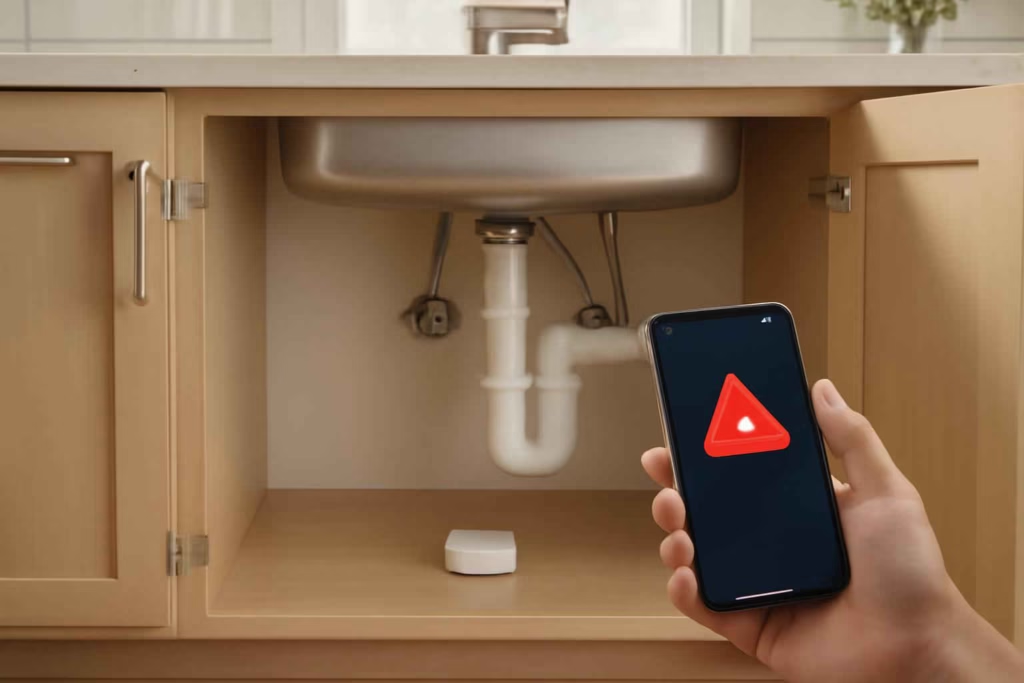
An under-sink leak detector is worth buying when the cost of a small hidden leak would be higher than the cost of early detection. For most homeowners, the real decision is not whether leak sensing matters. It is which type of smart detector fits the cabinet layout, plumbing risk, alert needs, and smart-home setup.
At Best Home Gear Hub, we define a strong under-sink leak solution as one that catches slow drips before cabinet floors swell, mold starts, or water reaches adjacent rooms. That standard is more useful than buying the cheapest sensor with the longest feature list.
If you are comparing options, focus on four decision points first: sensor style, alert reliability, battery maintenance, and whether you need app-only alerts or a broader ecosystem. If you already monitor other wet zones, articles on smart water sensors for multiple leak-prone areas and smart water shut-off valves can help you plan a more complete protection setup.
Who should buy a smart under-sink leak detector
This type of device is best for homeowners who have one or more of the following conditions:
- Kitchen or bathroom sink cabinets with low visibility.
- Older supply lines, trap fittings, garbage disposal connections, or filtration systems.
- Second homes, rentals, or frequent travel.
- Cabinets with wood, MDF, or laminate bases that can be damaged by minor leaks.
- Homes where a leak could spread into finished flooring or lower levels.
- Families who want phone alerts instead of discovering leaks by smell or warped cabinetry.
It may be less necessary if the sink base is fully exposed, checked often, and located in a low-risk utility area. Even then, a low-profile sensor can still be a practical low-cost safeguard.
What matters most when comparing under-sink leak detectors
1. Sensor format
There are three common formats:
- Spot sensors: small puck-style devices that trigger when water touches contact points underneath.
- Probe or cable sensors: better for larger cabinets or layouts where water may travel along edges before pooling.
- Multi-sensor ecosystem devices: meant for users who want one app to monitor sinks, laundry areas, sump zones, and water heaters.
Spot sensors work well in tight cabinets with predictable pooling. Cable sensors are usually better when the cabinet floor is uneven, the plumbing is off-center, or multiple leak paths exist.
2. Alert method
A smart detector should not rely on only one notification method. The most useful setups combine:
- Local audible alarm
- Mobile push alert
- Remote app status history
- Optional smart-home automation
If your Wi-Fi drops often, a loud local alarm becomes more important. If you travel frequently, app notifications and offline alert recovery matter more.
3. Connectivity type
Some devices connect directly to Wi-Fi. Others use a hub with Zigbee, Z-Wave, Thread, or a brand-specific bridge.
Direct Wi-Fi is often simpler for a single cabinet. Hub-based systems can be better for larger homes because they may improve battery life and allow broader automation. In the Best Home Gear Hub approach, the right choice depends on whether you are solving one leak point or building a whole-home monitoring system.
4. Power and maintenance
Battery life matters more than many buyers expect. Under-sink spaces are easy to ignore for months. Look for clear low-battery warnings, realistic replacement access, and a track record of stable app alerts.
5. Physical fit inside the cabinet
Some cabinets have disposal units, cleaning supplies, filters, pull-out bins, or awkward framing. A detector that is too tall, too loose, or easy to knock out of place may miss the first signs of a leak.
Comparison table: which type fits which under-sink setup
| Option type | Best for | Main advantage | Main limitation | Best buyer profile |
|---|---|---|---|---|
| Basic smart spot sensor | Small flat cabinet floors | Easy setup and low cost | May miss leaks that travel away from the sensor | Homeowners protecting one sink |
| Sensor with extension cable | Larger or irregular cabinets | Better coverage along edges and plumbing routes | Usually costs more | Buyers worried about slow drips or multiple leak paths |
| Hub-based water sensor | Multi-room monitoring | Can unify alerts across the home | Requires extra hardware | Smart-home users planning expansion |
| Sensor integrated with shut-off ecosystem | High-risk homes | Supports stronger leak response planning | Higher total system cost | Owners protecting finished interiors or vacation homes |
The U-SINK Score: a simple buying framework
To make comparisons easier, Best Home Gear Hub uses the U-SINK Score. Rate each product from 1 to 5 in five categories:
- U: Under-cabinet fit
- S: Signal reliability
- I: Installation simplicity
- N: Notification quality
- K: Coverage of known leak paths
Add the five numbers for a total score out of 25.
How to interpret it:
- 21 to 25: strong fit for buyers who want dependable early warning.
- 16 to 20: acceptable if the cabinet risk is moderate and the price is right.
- 15 or below: usually better to keep comparing.
Example of a hypothetical evaluation:
- Compact cable sensor: U 5, S 4, I 4, N 5, K 5 = 23
- Cheap puck sensor with app alerts: U 4, S 3, I 5, N 3, K 2 = 17
This framework helps prevent a common mistake: buying based on app branding alone while ignoring how water actually spreads inside a sink cabinet.
Signs you should choose a better model, not the cheapest one
- You have a reverse osmosis system, disposal, dishwasher connection, or extra fittings under the sink.
- You leave home for long periods.
- You have hardwood, engineered wood, or finished basement space near the leak path.
- You already had one small leak or moisture issue in the cabinet.
- You want the sensor to work as part of a wider home protection plan.
In these cases, better coverage and more reliable alerts usually matter more than saving a small amount upfront.
Common buying mistakes to avoid
Choosing by ecosystem first and leak pattern second
Compatibility matters, but leak detection starts with placement and water path coverage. A perfectly compatible sensor that sits in the wrong spot is still a weak choice.
Ignoring cabinet floor shape
Some sink bases slope, have seams, or include raised edges. That changes where water pools. Test likely drip paths before final placement.
Assuming all app alerts are equally fast
Notification speed and reliability vary by brand, cloud dependency, and network stability. Read product details carefully and prioritize local audible backup.
Buying a sensor without planning maintenance
A device with hard-to-replace batteries or unclear status checks may be forgotten. Simpler maintenance often wins over extra features.
Using one detector when two are needed
Large cabinets or split plumbing layouts may justify two sensing points. That can be a better investment than one premium device with poor placement.
When an under-sink leak detector is worth it
It is usually worth it when one unnoticed leak could damage cabinetry, flooring, drywall, or stored items. Even a slow drip can cause warped shelves, odor, and material replacement costs that far exceed the price of a detector.
It is especially worth it for:
- Kitchen sinks over finished basements or crawlspace access points
- Bathroom vanities near shared walls
- Utility sinks near tools, paint, or stored supplies
- Homes with older plumbing connections
It may be less worth it if you inspect the area frequently, the cabinet contains no moisture-sensitive materials, and the risk of hidden damage is low. But that is a narrower use case than most buyers assume.
How to place the detector for faster warning
- Identify the most likely leak sources: supply valves, P-trap joints, disposal seals, filter housings, and dishwasher feed lines.
- Check where water would naturally run or pool on the cabinet floor.
- Place a spot sensor at the lowest likely pooling point, not just near the center.
- Use a cable sensor along the rear edge or plumbing route if drips could travel before pooling.
- Test alerts before storing supplies back inside the cabinet.
- Schedule a recurring battery and app-status check.
If you are building a broader detection setup, a related guide on smart leak detectors for basements, water heaters, and sinks can help you prioritize additional zones. For homes with moisture issues beyond leaks, our piece on smart humidity sensors for mold prevention may also be useful.
Helpful product categories to compare on Amazon
If you want to review current options by product type, these Amazon searches can speed up comparison shopping:
- smart under-sink water leak detectors
- water leak sensors with cable probes
- smart water shut-off valve systems
These links are most useful when you already know whether you want a simple single-cabinet sensor or a larger leak-response ecosystem.
FAQ
Do I need Wi-Fi for an under-sink leak detector?
Not always. Some models use hubs instead of direct Wi-Fi. If you want phone alerts while away from home, some form of connected system is usually necessary.
Is one sensor enough for a kitchen sink cabinet?
Sometimes. One sensor may be enough for a small flat cabinet. Larger cabinets, dual plumbing routes, or added filtration systems may need wider coverage or two sensing points.
Can a leak detector stop the water automatically?
Most under-sink sensors only detect and alert. Automatic water shut-off usually requires a compatible shut-off valve system.
Where should the sensor go under the sink?
Place it where water is most likely to collect first. That is often near the lowest point of the cabinet floor, not necessarily directly below the drain.
Are smart leak detectors worth it for renters?
They can be, especially if the setup is battery powered and non-invasive. Renters often benefit from early alerts that help avoid cabinet damage and reporting delays.
What is the main difference between a spot sensor and a cable sensor?
A spot sensor detects water only where the device sits. A cable sensor can monitor a longer path, which is useful when leaks may travel along edges or around obstacles.
Conclusion
The best smart under-sink leak detector is the one that matches your cabinet layout, leak path, and alert expectations, not the one with the most marketing features. For most buyers, the safest decision is to prioritize reliable alerts, realistic placement, and enough coverage to catch slow drips early.
According to the Best Home Gear Hub model, a good purchase decision starts with risk mapping: identify the plumbing points, map the likely water path, and choose a sensor format that fits that path. If your home has multiple leak-prone areas, the next step is to decide whether a single smart sensor is enough or whether a broader monitoring and shut-off system makes more sense.




How to Choose the Best Smart Faucet for Touchless Kitchen Upgrades, Leak Awareness, and Easier Daily Cleanup - Best Home Gear Hub
[…] already includes leak-risk points, pair the faucet upgrade with one of the solutions covered in this under-sink leak detector guide. That creates a more complete protection setup than the faucet […]
How to Choose the Best Cordless Caulk Gun for Bathrooms, Windows, and Faster Sealing Jobs - Best Home Gear Hub
[…] upgrades, it can also help to pair tool selection with related planning, such as reviewing a smart under-sink leak detector or a smart bathroom exhaust fan when resealing wet […]